
In a stunning reversal amid the escalating US-Iran war, President Donald Trump has backed down from his aggressive 48-hour ultimatum to strike Iran power plants. This comes after Iran issued a powerful Iran retaliation threat targeting energy infrastructure across the Middle East. A new report confirms no talks underway despite Trump’s claims of “constructive conversations.”
This Trump Iran development is shaking global markets, oil prices, and the Strait of Hormuz crisis. Here’s the full breakdown of the latest Trump Iran negotiations drama that’s dominating headlines worldwide.

Trump’s Shocking Retreat: From 48-Hour Ultimatum to Five-Day Delay
US President Donald Trump initially threatened to “obliterate” Iran’s power plants and energy infrastructure if Tehran refused to fully reopen the Strait of Hormuz within 48 hours. The deadline was fast approaching as tensions peaked in the ongoing Iran war 2026.
But in a dramatic Trump backs down moment, the US leader posted on Truth Social claiming “very good and constructive conversations” with Iran over the past two days. He announced he had ordered the Pentagon to postpone all military strike plans on Iran electricity generation for five days.
“I have instructed the Department of War to postpone any and all military strikes against Iranian power plants and energy infrastructure for a five-day period, subject to the success of the ongoing meetings and discussions,” Trump stated.
This sudden shift follows Iran’s firm warning: Any attack on its facilities would trigger retaliation against all energy and power installations in the region.

Iran Retaliation Threat: “We Will Defend Ourselves Until Deterrence Is Achieved”
A high-level source close to Tehran, speaking to Iran’s Tasnim news agency, delivered a clear message: No official contact has occurred between Iran and the US.
“From the beginning of the war until today, messages have been sent to Tehran by some mediators, and the clear response has been that we will continue to defend ourselves until we achieve the necessary deterrence,” the anonymous source revealed.
The Iranian official dismissed Trump’s claims as “psychological warfare” designed to calm markets and buy time. “With this kind of psychological warfare, neither the Strait of Hormuz will return to pre-war conditions nor will calm return to energy markets.”
Iran’s position remains firm: Any further aggression will be met with extensive defense and response. This Iran retaliation threat has forced the Trump Iran policy reversal.

No US-Iran Talks Underway: Report Exposes the Truth Behind Trump’s Claims
Despite Trump’s public statements about ongoing Trump Iran negotiations, the Tehran source insists no talks are underway. The five-day extension is seen as a tactic to continue pressure on Iran rather than a genuine peace effort.
“Trump’s new five-day ultimatum reflects his administration’s intention to continue to commit crimes against the Iranian nation,” the source warned, “and we will continue to respond and defend the country extensively.”
This revelation is critical for anyone following the US Iran war update – it highlights how Trump backs down under legitimate Iran retaliation risks while spinning a different narrative.
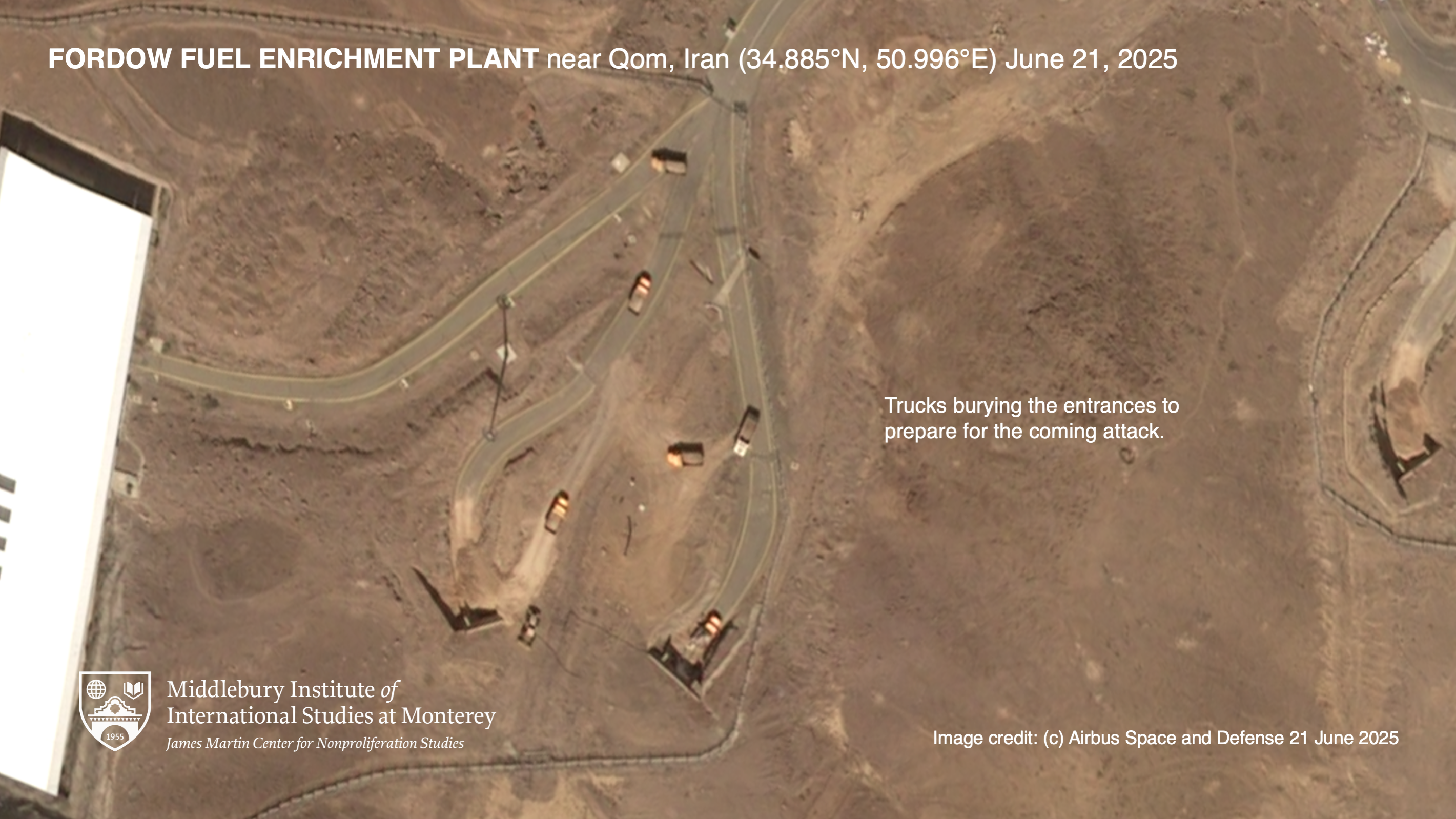
Background: How the US-Iran Conflict Escalated to Power Plant Threats
The current crisis stems from a fresh round of US and Israel aerial aggression on Iran that began on February 28, 2026 – eight months after earlier unprovoked attacks. Iran responded swiftly with barrages of missiles and drones targeting Israeli-occupied territories and US bases in the region.
The Strait of Hormuz crisis became the flashpoint when Trump demanded full reopening of the vital waterway, threatening Iran power plants strikes. Iran’s parliament speaker and military leaders warned of devastating counterattacks on Gulf energy and water facilities.
Global oil markets remain volatile as the Iran war 2026 enters its fourth week, with over 2,000 deaths reported and fears of wider escalation.

What This Means for Global Markets and the Strait of Hormuz Crisis
Analysts warn that Trump Iran tensions could spike energy prices further if the Strait of Hormuz – through which 20% of global oil passes – remains disrupted. The Iran retaliation threat has already rattled investors, while Trump’s delay buys short-term stability but solves nothing.
As the five-day window ticks down, the world watches: Will genuine US-Iran talks emerge, or will the Trump backs down moment prove temporary?
Key Takeaways on Trump Iran War 2026:
- Trump backs down from immediate Iran power plants strikes
- Iran retaliation threat targets regional energy sites
- No talks underway despite White House claims
- Strait of Hormuz remains central to the crisis
Stay updated on the latest Trump Iran negotiations, Iran war updates, and Strait of Hormuz developments as this fast-moving story evolves. The risk of further escalation remains extremely high.
