
Greater Israel (Hebrew: Eretz Yisrael HaShlema or “The Whole Land of Israel”) is one of the most debated concepts in Middle Eastern geopolitics, Zionism, and biblical history. Whether referring to Israel’s current borders plus the West Bank, Gaza, and Golan Heights—or the expansive biblical vision stretching “from the Nile to the Euphrates”—the term sparks intense discussion worldwide.
In this comprehensive guide, we break down what Greater Israel means, its biblical origins, historical maps, political interpretations, and why it remains relevant in 2026 amid ongoing regional tensions. Perfect for anyone searching “Greater Israel map,” “Greater Israel plan,” or “what is Greater Israel.”

Map overlay showing one interpretation of Greater Israel territory with Israeli flag (source: public domain historical rendering).
Also Read:
What is Global Warming? Its Causes and Solution
What Is Greater Israel?
Greater Israel has two primary meanings today:
- Narrow/Practical Definition (most common in Israeli discourse): The territory of modern Israel combined with the Palestinian territories (West Bank and Gaza Strip) and the Golan Heights. This aligns with the pre-1948 British Mandate of Palestine (excluding Jordan, which was separated in 1921).
- Maximalist/Biblical Definition: A vast region from the Nile River in Egypt to the Euphrates River in Iraq, encompassing parts of modern-day Egypt, Jordan, Lebanon, Syria, Iraq, and Saudi Arabia. This stems directly from Genesis 15:18 in the Hebrew Bible.
The term is often translated as “Eretz Israel” or “the Complete Land of Israel.” It is not official Israeli government policy but appears in ideological, religious, and political debates. Critics view it as an expansionist “Greater Israel plan,” while supporters see it as fulfilling historical or divine promises.
Related searches people make: Greater Israel map, Greater Israel 2026, Greater Israel controversy, Oded Yinon Plan.

Expansive map highlighting the Nile-to-Euphrates vision of Greater Israel, often cited in historical and political discussions.
Biblical and Historical Roots of Greater Israel
The concept traces back over 3,000 years to the Torah. In Genesis 15:18-21, God covenants with Abraham: “To your descendants I give this land, from the river of Egypt to the great river, the Euphrates.”
This “Promised Land” included territories of various ancient peoples (Canaanites, Hittites, etc.). Later biblical books describe borders under Kings David and Solomon that approached—but never fully matched—the maximalist vision.
- Zionist Era (Late 1800s–1948): Theodor Herzl, founder of modern political Zionism, referenced borders “from the Brook of Egypt to the Euphrates” in his diaries. Early Zionist maps and writings sometimes invoked these boundaries for a future Jewish homeland.
- Post-1967: After the Six-Day War, Israel captured the West Bank, Gaza, Sinai, and Golan Heights. A 1967 advertisement by Israeli intellectuals called for retaining “the Land of Israel” in its “wholeness.”
Today, religious Zionists and some settlers cite these texts to justify presence in Judea and Samaria (West Bank).
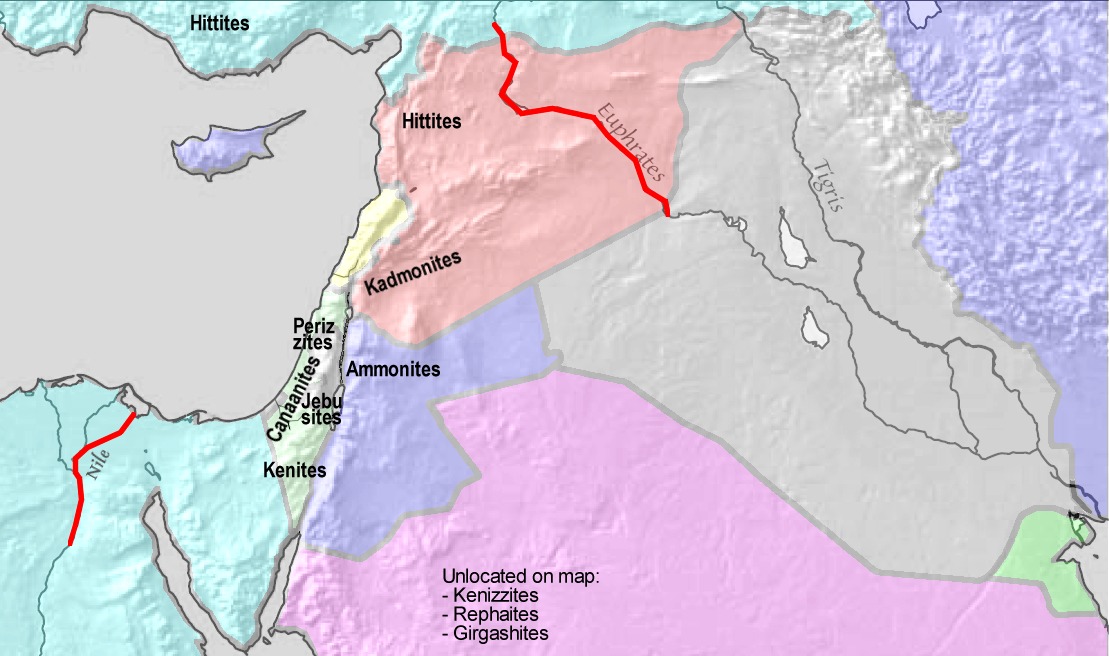
Classic biblical map illustrating the Promised Land boundaries from the Nile to the Euphrates, color-coded by ancient tribal regions.

Jerusalem at sunset – symbolizing the spiritual heart of the biblical Promised Land central to Greater Israel discussions.
Greater Israel Maps: Visualizing the Concept
Maps are the most searched visual for this topic. Here are the key interpretations:
- Biblical Maximalist Map: Nile River (Egypt) to Euphrates River (Iraq/Syria border).
- Mandate-Era Map: Focuses on historic Palestine + Transjordan debate.
- Modern Political Map: Current Israel + occupied territories (often labeled “Greater Israel” by critics).

Side-by-side historical maps showing evolution of the “Greater Israel” territorial concept from biblical times to 20th-century interpretations.

Simplified color-coded modern map highlighting regions sometimes associated with Greater Israel ambitions.
These visuals frequently go viral in discussions about borders, settlements, and regional security.
The “Greater Israel Plan”: Fact, Ideology, or Conspiracy?
Some analysts link Greater Israel to the 1982 “Oded Yinon Plan” (a strategy paper on breaking up Arab states) or alleged long-term expansion goals. Proponents of the idea argue it explains Israeli actions in Gaza, Lebanon, and the West Bank.
However, mainstream Israeli sources and historians emphasize that the extreme Nile-to-Euphrates vision has never been official policy. It remains a fringe religious or nationalist interpretation rather than a government blueprint.
In 2026, comments by Israeli and U.S. figures have reignited debate, with regional neighbors expressing concerns over sovereignty.

Illustration linking political rhetoric to Greater Israel mapping concepts (widely circulated in 2024–2026 media).
Greater Israel in Modern Israeli Politics (2026 Perspective)
- Settlements: Over 700,000 Israelis live in the West Bank and East Jerusalem. Many religious parties see this as steps toward Eretz Yisrael HaShlema.
- Popularity: Polls and analyses show the extreme maximalist version has limited support among average Israelis. The narrower version (retaining West Bank/Golan) enjoys broader backing for security reasons.
- Recent Developments: Ongoing conflicts in Gaza and Lebanon have led critics to claim de facto moves toward territorial expansion, though Israel frames actions as defensive.
Note: No major Israeli party officially endorses the full Nile-to-Euphrates borders.
International Reactions and Criticisms
- Arab and Muslim World: Viewed as proof of expansionist intent, fueling narratives of displacement.
- United Nations and International Law: Most of the world considers West Bank/Golan settlements illegal. The broader concept is rejected under modern border norms.
- Supporters’ View: Emphasizes Jewish historical ties, biblical rights, and security needs after centuries of persecution.
The debate often intersects with the Israeli-Palestinian conflict, where “Greater Israel” becomes shorthand for opposing two-state solutions.
Symbolic golden map of Greater Israel with Star of David – a powerful visual used in ideological discussions.
Greater Israel Today: What Lies Ahead?
As of March 2026, the concept remains symbolic for most Israelis but highly charged regionally. Peace efforts, demographic changes, and security threats will continue shaping its relevance. Whether interpreted literally or metaphorically, Greater Israel reflects deep historical, religious, and national aspirations.
Key Takeaway: Understanding Greater Israel requires separating biblical history, Zionist ideology, and current geopolitics. It is not a single “plan” but a layered idea interpreted differently across groups.
FAQ – Greater Israel
Q: Is Greater Israel official Israeli policy? No. The maximalist version is not government policy.
Q: What does the Greater Israel map show? Most maps show either the 1967 territories or the biblical Nile-to-Euphrates expanse.
Q: Where did the term Greater Israel originate? Primarily from biblical texts and early 20th-century Zionist writings.
Q: How popular is Greater Israel among Israelis? The narrower territorial definition has support; the extreme version is marginal.
Q: Does Greater Israel include Jordan? In maximalist maps, yes; in practical definitions, no.
