







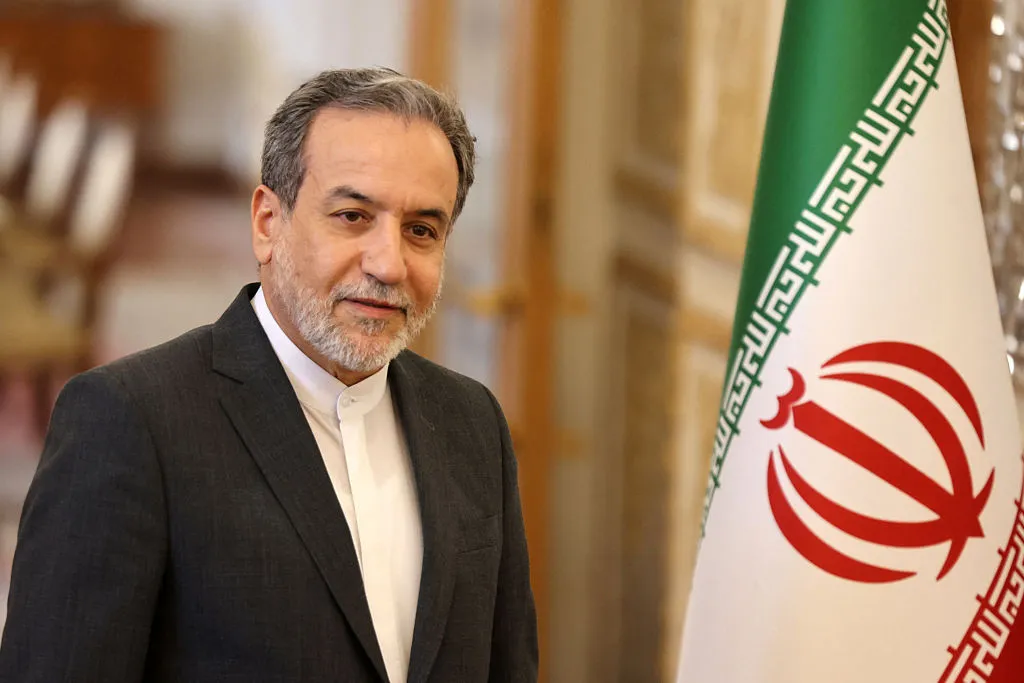
Seyed Abbas Araghchi (also spelled Abbas Araqchi or Araghchi; Persian: سید عباس عراقچی) is a seasoned Iranian diplomat and politician serving as the Foreign Minister of the Islamic Republic of Iran since August 21, 2024. With over three decades of experience in international relations, nuclear negotiations, and high-level diplomacy, Araghchi has emerged as one of Iran’s most influential figures on the global stage, known for his expertise in balancing revolutionary principles with pragmatic engagement.
Early Life and Revolutionary Background
Born on December 5, 1962, in Tehran, Iran, to a conservative, religious Persian merchant family originally from Isfahan, Araghchi grew up during a transformative period in Iranian history. As a teenager, he actively participated in the 1979 Iranian Revolution. At age 17, following his father’s death, he joined the Islamic Revolutionary Guard Corps (IRGC) and served for approximately nine years, including combat duty during the Iran-Iraq War (1980–1988). This formative experience deeply shaped his commitment to Iran’s revolutionary ideals and national sovereignty.
Education: Bridging Islamic Thought and Western Scholarship
Araghchi pursued a rigorous academic path that combined Iranian diplomatic training with advanced international studies:
- Bachelor’s degree in International Relations from the School of International Relations, affiliated with Iran’s Ministry of Foreign Affairs (graduated 1989).
- Master’s degree in Political Science from Islamic Azad University, Tehran (1991).
- PhD in Political Thought (Politics and Government) from the University of Kent, England (1996).
Fluent in English and proficient in Arabic, Araghchi has lectured at institutions including the University of Tehran, Supreme National Defence University, and even as a visiting professor in executive programs at the University of Tokyo. He has authored six books and over 45 scholarly articles on foreign policy, political thought, and international relations.
Distinguished Diplomatic Career
Araghchi entered the Ministry of Foreign Affairs in 1989 and rose through the ranks with key assignments that showcased his versatility:
- Early roles included expert in the International Affairs Department (1989–1991) and Deputy Director for Islamic, Regional, and Non-Aligned Organizations (1991–1993). He helped establish Iran’s mission to the Organization of Islamic Cooperation (OIC) in Jeddah.
- Ambassador to Finland (1999–2003), also accredited to Estonia.
- Director-General of the Institute for Political and International Studies (IPIS) and head of its Persian Gulf Studies Center.
- Dean of the School of International Relations (2004–2005).
- Deputy Foreign Minister for Legal and International Affairs (2005–2008 and later 2013–2018).
- Ambassador to Japan (2008–2011).
- Deputy Foreign Minister for Asia and Oceania (2011–2013).
He has received numerous honors, including Japan’s Order of the Rising Sun (Gold and Silver Rays, 2022), Iran’s National Medal of Merit and Management (2016), and multiple commendations from Iranian presidents and foreign ministers.
Key Role in Nuclear Negotiations and JCPOA
Araghchi gained international prominence as a senior figure in Iran’s nuclear diplomacy. During the Hassan Rouhani administration, he served as:
- Spokesperson for the Ministry of Foreign Affairs (2013).
- Chief nuclear negotiator and Deputy Foreign Minister for Political Affairs (2017–2021).
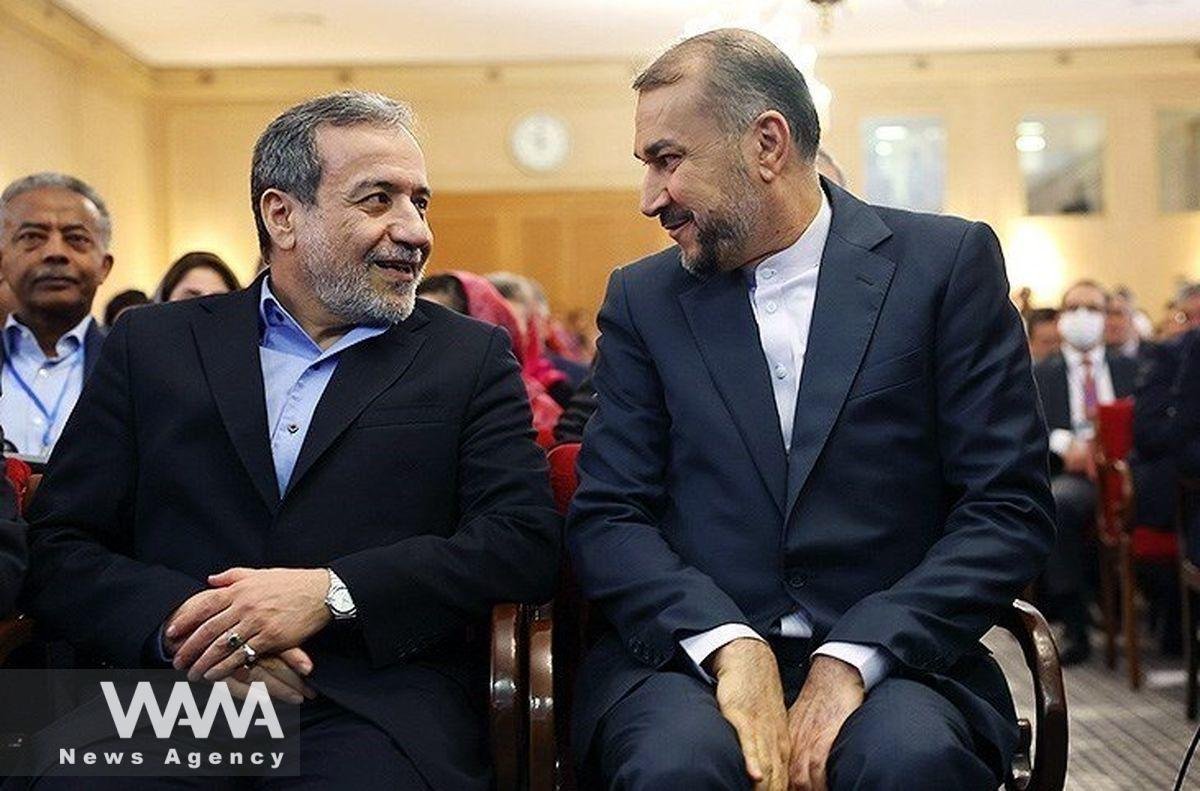
He played a pivotal role in the talks leading to the 2015 Joint Comprehensive Plan of Action (JCPOA), working closely with then-Foreign Minister Mohammad Javad Zarif. After the U.S. withdrawal from the deal in 2018, Araghchi advocated for its revival while defending Iran’s positions on sanctions relief and regional security. His experience makes him a credible voice in complex multilateral negotiations involving the P5+1, Europe, and other global powers.
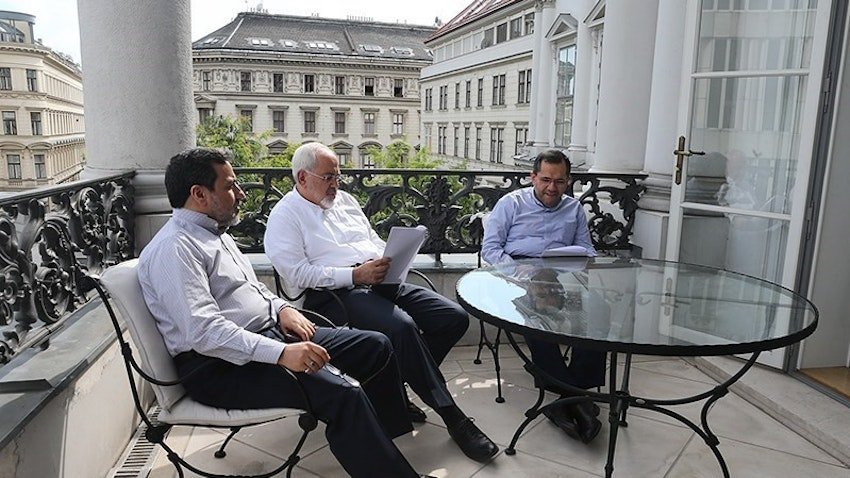
From 2021 to 2024, he served as Secretary of the Strategic Council of Foreign Relations and advisor to the Foreign Minister, further solidifying his influence.
Appointment as Foreign Minister (2024–Present)
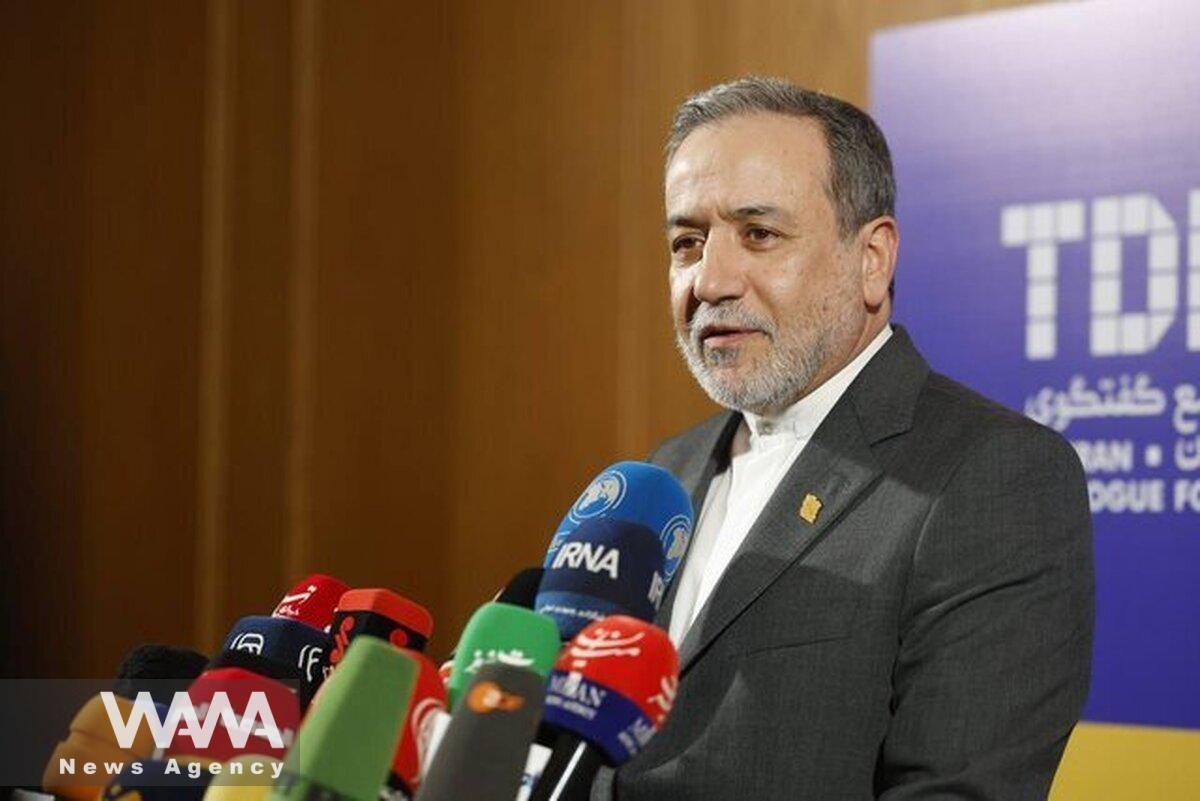
In August 2024, President Masoud Pezeshkian nominated Araghchi as Foreign Minister, a choice widely viewed as strategic for pursuing diplomatic solutions amid economic challenges and regional tensions. The Iranian parliament (Islamic Consultative Assembly) confirmed him on August 21, 2024. As Foreign Minister, Araghchi has navigated heightened geopolitical dynamics, including efforts toward sanctions relief, regional de-escalation, and engagement with partners like China, Russia, and neighboring countries, while upholding Iran’s core principles of independence and resistance to external pressures.
Observers note his ability to command respect across Iran’s political spectrum—hardliners value his revolutionary credentials and IRGC ties, while reformists and pragmatists appreciate his diplomatic expertise and Western education.
Personal Life
Araghchi is married and has four children. He maintains an active public presence through official channels, including his X (Twitter) account (@araghchi), where he shares statements on Iran’s foreign policy. He is also involved in cultural and academic initiatives, such as serving on boards related to international relations associations and charitable causes, including support for the blind and visually impaired.
Legacy and Impact
Seyed Abbas Araghchi represents a blend of revolutionary loyalty and sophisticated diplomacy. His career trajectory—from IRGC volunteer to PhD-educated ambassador and top negotiator—positions him uniquely to address Iran’s foreign policy challenges in a multipolar world. As Foreign Minister, he continues to advocate for dialogue based on mutual respect, justice, and Iran’s national interests, contributing to efforts for peace and stability in the Middle East and beyond.