





Tiangong Space Station (also known as China’s Space Station or Tiangong Heavenly Palace) is humanity’s newest permanent orbital outpost. Fully operational since late 2022 and continuously crewed as of April 2026, Tiangong represents China’s crowning achievement in human spaceflight and a major milestone in the global race for space exploration.
If you’re searching for Tiangong Space Station, life on Tiangong, China ISS lifestyle, or taikonaut daily routine, this comprehensive guide covers everything — from the station’s architecture to what it’s really like living 400 km above Earth.
What Is the Tiangong Space Station?
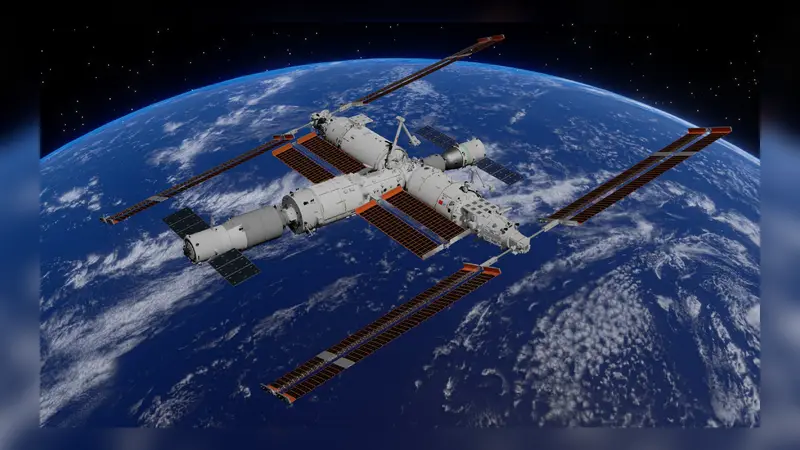
The Tiangong Space Station is China’s independently built, modular space station in low Earth orbit (approximately 340–450 km altitude). Operated by the China Manned Space Agency (CMSA), it consists of three core modules:
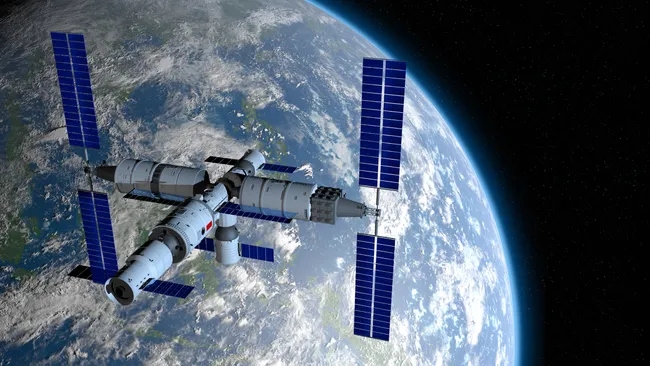
- Tianhe (core module) – Launched April 29, 2021
- Wentian (experiment module) – Launched July 24, 2022
- Mengtian (experiment module) – Launched October 31, 2022
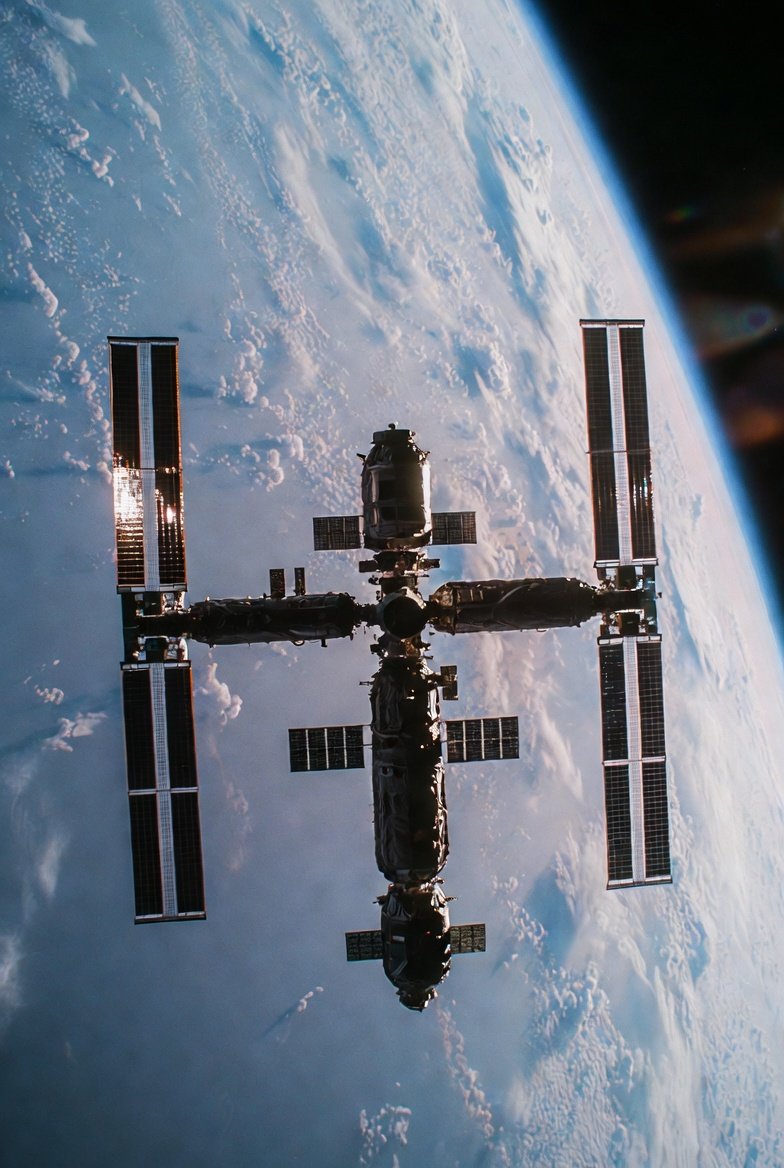
The station forms a distinctive T-shaped structure and can host up to six taikonauts during crew rotations. As of April 2026, it has been in orbit for nearly 5 years and continuously occupied for over 4 years and 7 months. A fourth module, the Xuntian space telescope, is scheduled for launch in late 2026.
Unlike the aging International Space Station (ISS), Tiangong was designed from the ground up as a modern, efficient research platform with over 267 scientific projects already completed in fields like space life sciences, microgravity physics, and advanced materials.
Official sources: Space.com – Tiangong Space Station Guide | Wikipedia – Tiangong Space Station
Also Read:
How Astronauts live on International Space Station ISS?
Sightseeing Capsule Completes First Balloon Flight to the Edge of Space
A Day in the Life: Taikonaut Lifestyle on Tiangong
Living aboard the Tiangong Space Station is a carefully structured yet surprisingly comfortable routine. Taikonauts (Chinese astronauts) follow a strict 24-hour schedule that balances work, exercise, meals, and recreation to maintain physical and mental health in microgravity.
Typical Daily Routine on Tiangong:
- Exercise (2+ hours daily): Critical to prevent muscle atrophy and bone loss. The station features a space gym with treadmills, exercise bikes, and resistance equipment with foot restraints.
- Work & Scientific Experiments: Taikonauts conduct cutting-edge research in dedicated lab modules, including life sciences, fluid physics, and Earth observation.
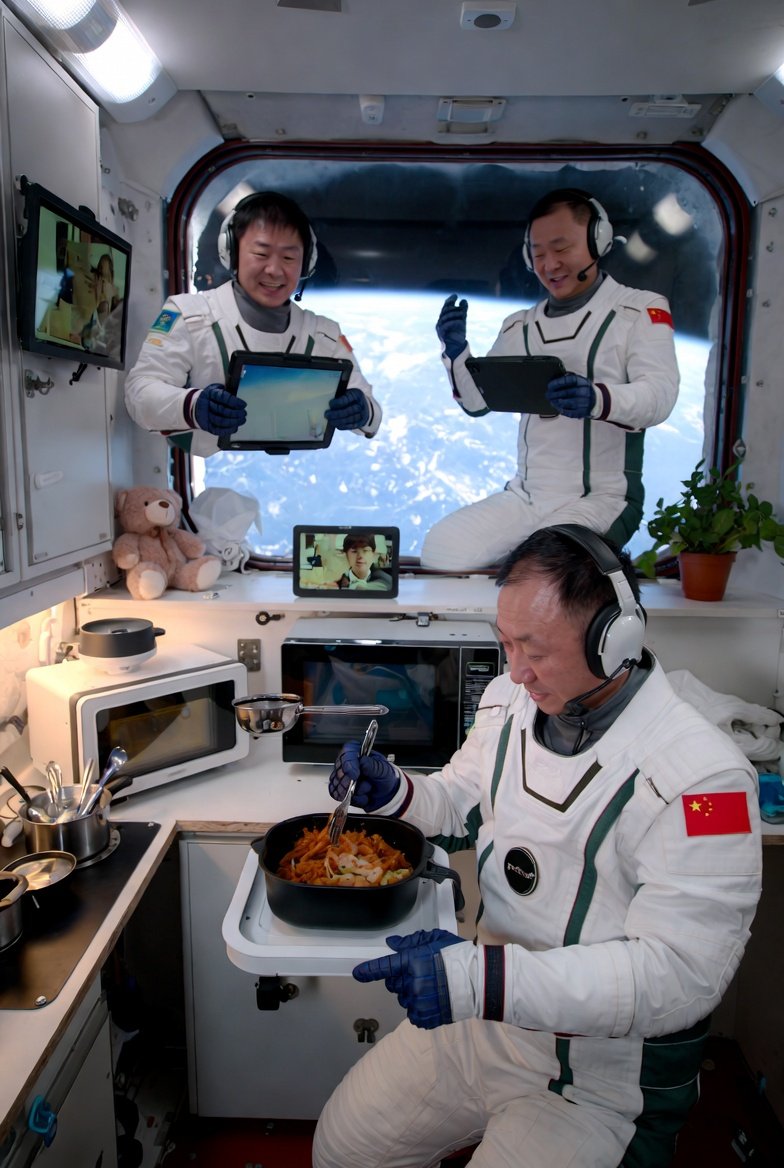
- Meals: Chinese cuisine is a highlight — dishes like Kung Pao chicken, Yuxiang shredded pork, and fresh vegetables are prepared in a space kitchen with microwaves and food warmers.
- Sleep: Astronauts use individual sleeping compartments with sleeping bags. Some prefer a “standing” position due to microgravity, but most sleep horizontally with restraints.
- Hygiene: No traditional showers — taikonauts use a spray gun and wipes. The station has dedicated sanitation zones.
- Recreation & Mental Health: WiFi enables video calls with family, watching movies/TV, and stargazing through large windows. Cabin lighting can be adjusted via a handheld app for work, sleep, or exercise modes.
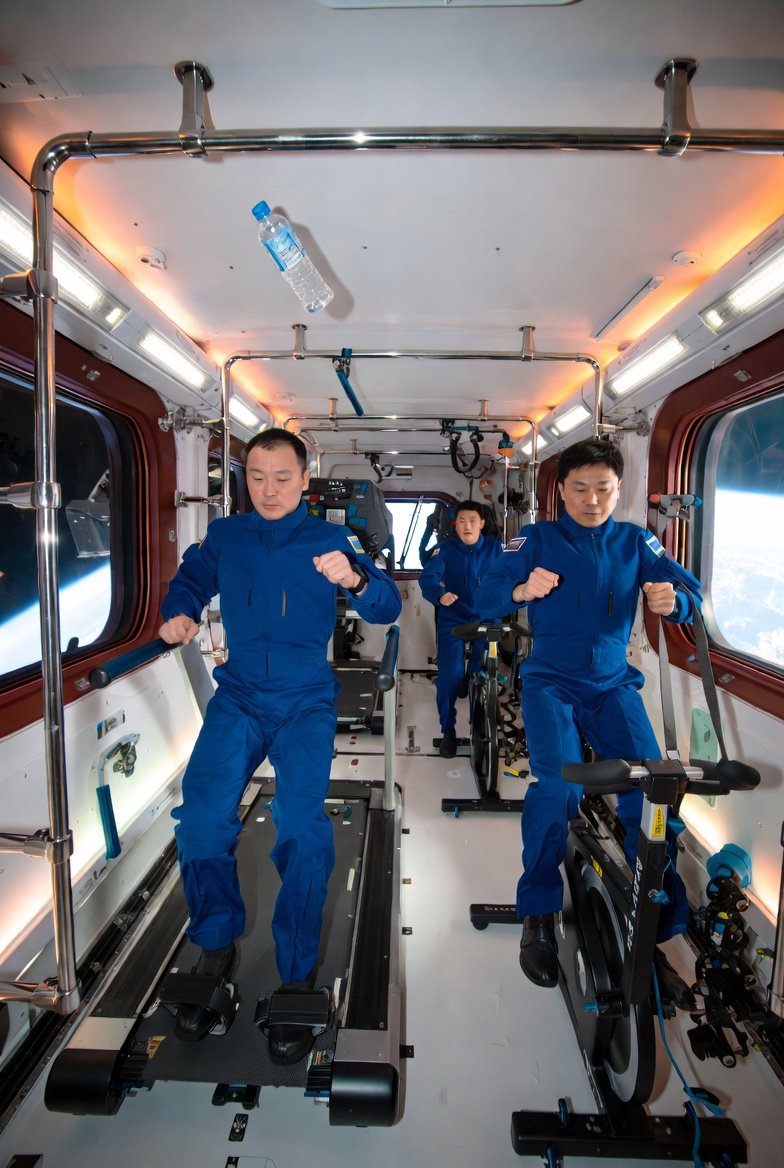
The interior feels surprisingly spacious compared to earlier stations, with dedicated zones for dining, healthcare, and relaxation. Taikonauts often describe the view of Earth as the ultimate stress-reliever.
Real insight: According to CGTN reports, a typical day includes working, exercising, watching TV, and maintaining a normal sleep schedule — proving that life on Tiangong is both productive and livable.
Cutting-Edge Technology Powering Daily Life on Tiangong
Tiangong is equipped with advanced systems that make long-duration stays possible:
- High-speed WiFi throughout the station
- Robotic arms for external operations
- Closed-loop life support with air and water recycling
- Solar arrays providing abundant power
- State-of-the-art medical monitoring
In 2026, China plans two crewed Shenzhou missions, one Tianzhou cargo resupply, and a record-breaking one-year stay for a taikonaut — pushing the boundaries of long-term space living.
Why Tiangong Matters: Future of Human Spaceflight
The Tiangong Space Station is more than a research lab — it’s China’s stepping stone to deeper space exploration, including crewed lunar missions by 2030. With over 1,000 planned experiments in its first decade, Tiangong is already delivering breakthroughs that benefit life on Earth.
International cooperation is welcomed: China has invited global scientists to participate in experiments aboard the station.
Ready to Explore the Final Frontier?
The Tiangong Space Station proves that humans can not only survive but thrive in space with comfort, science, and even a touch of home. From delicious Chinese meals to breathtaking Earth views, life on China’s space station is redefining what’s possible.
Which part of taikonaut life fascinates you most — the workouts, the food, or the science? Drop your thoughts below and share this guide!