





Art Adaptive Reuse: Creative Urban Renewal
In an era defined by rapid urbanization and a growing consciousness for sustainability, the practice of transforming existing structures has emerged as a powerful force for positive change. This isn’t merely about renovation; it’s a sophisticated architectural discipline known as adaptive reuse. More specifically, the concept of **Art Adaptive Reuse** elevates this practice, turning old, often neglected buildings into vibrant, functional spaces that retain their historical essence while embracing modern needs. Architects today are proving that the past isn’t something to be demolished but rather a rich canvas for future innovation.
The **Art Adaptive Reuse** movement is fundamentally about breathing new life into historic structures, preventing demolition, reducing waste, and fostering a deeper connection to a city’s heritage. It’s a creative dialogue between what was and what can be, resulting in unique spaces that tell a story. This comprehensive approach is not only environmentally responsible but also economically savvy, contributing significantly to urban renewal and community development.
The Essence of Art Adaptive Reuse: More Than Just Repurposing
Adaptive reuse, at its core, involves modifying an existing building for a purpose other than that for which it was originally built. However, **Art Adaptive Reuse** adds a layer of intentional design and aesthetic sensitivity. It emphasizes the artistic and creative challenges inherent in blending historical integrity with contemporary functionality, often resulting in architectural masterpieces.
This practice goes beyond simple restoration or renovation. It’s about a thoughtful transformation that respects the building’s original character, materials, and historical narrative. Architects engaging in **Art Adaptive Reuse** see the inherent value in aged structures, recognizing their embodied energy and the cultural capital they represent. They meticulously plan how to integrate new functions without erasing the past.
Why Art Adaptive Reuse Matters for Sustainable Cities
The environmental benefits of **Art Adaptive Reuse** are profound and widely recognized. Demolishing a building generates enormous amounts of waste, much of which ends up in landfills. Constructing a new building, on the other hand, consumes vast resources and energy, contributing significantly to carbon emissions.
By opting for adaptive reuse, architects drastically reduce the demand for new materials and minimize construction waste. This approach conserves the “embodied energy” of the original structure—the energy already expended in its creation. It aligns perfectly with principles of circular economy and sustainable development, making cities greener and more resilient.
Economic and Social Catalysts of Art Adaptive Reuse
Beyond its environmental advantages, **Art Adaptive Reuse** is a powerful economic engine and a social unifier. It can revitalize declining urban areas, create jobs, and foster a unique sense of place that attracts residents and tourists alike. This creative approach to development offers a myriad of benefits that ripple through communities.
Economically, reusing existing buildings can often be more cost-effective than new construction, especially when considering the expenses associated with demolition and waste disposal. It can also lead to increased property values in surrounding areas, stimulating further investment and development. Moreover, the distinctive character of adaptively reused buildings can create unique commercial spaces that draw in businesses and customers.
Fostering Community and Preserving Heritage through Art Adaptive Reuse
Socially, **Art Adaptive Reuse** plays a crucial role in preserving cultural heritage and strengthening community identity. Historic buildings are tangible links to the past, embodying stories, traditions, and collective memories. Transforming them rather than tearing them down ensures that these narratives continue to enrich the urban fabric.
Many successful **Art Adaptive Reuse** projects become beloved community hubs, whether they are old factories turned into mixed-use developments, historic schools converted into affordable housing, or abandoned churches reborn as cultural centers. These projects often become focal points for local pride and engagement, reinforcing a sense of belonging among residents. This contributes to a vibrant street life and a deeper connection to the local history and identity.
The Creative Process: Challenges and Innovations in Art Adaptive Reuse
Engaging in **Art Adaptive Reuse** is an intricate dance between preservation and innovation. Architects face a unique set of challenges that demand creativity, technical expertise, and a deep understanding of both historical context and modern requirements. This process is truly an art form, requiring careful consideration of every detail.
One of the primary challenges is navigating existing structural limitations and adapting them to new functions while adhering to contemporary building codes. This often involves innovative engineering solutions, such as reinforcing foundations, integrating modern HVAC systems discreetly, or adding new vertical circulation elements like elevators and stairwells without compromising the original aesthetics. The goal is always to enhance, not detract.
Balancing Old and New: A Signature of Art Adaptive Reuse
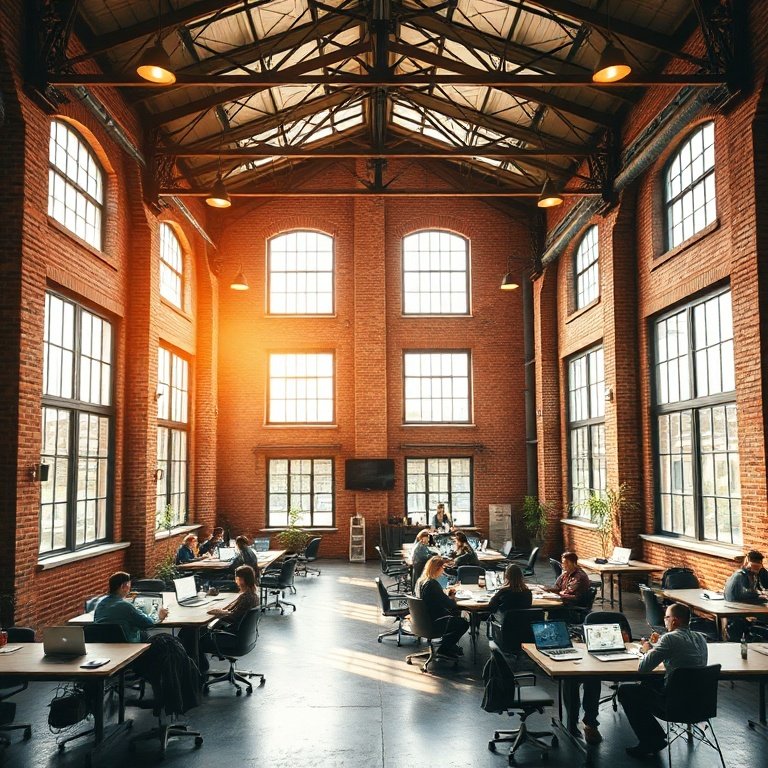
A hallmark of successful **Art Adaptive Reuse** projects is the harmonious integration of old and new elements. This often involves a thoughtful contrast between historical textures, materials, and architectural details with sleek, modern interventions. For example, exposed brick walls from an old factory might be paired with contemporary glass partitions and minimalist furniture, creating a dynamic and visually appealing space.
The art lies in knowing when to restore, when to reveal, and when to introduce something entirely new. This delicate balance ensures that the building’s history is celebrated, not just replicated, while also providing all the amenities and functionalities expected in a modern space. It requires a keen eye for design and a deep respect for the building’s inherent character.
Iconic Examples of Art Adaptive Reuse Worldwide
The global landscape is dotted with inspiring examples of **Art Adaptive Reuse**, demonstrating the versatility and transformative power of this architectural approach. These projects serve as testaments to what can be achieved when creativity meets conservation, proving that old structures can indeed find new purpose and beauty.
Consider the Tate Modern in London, originally the Bankside Power Station. Transformed by Herzog & de Meuron, it is now one of the world’s leading contemporary art museums. Its massive turbine hall, once a functional industrial space, has become a grand exhibition area, showcasing how industrial heritage can be repurposed for cultural enrichment. This project exemplifies **Art Adaptive Reuse** at its finest, drawing millions of visitors annually.
From Industrial Hubs to Cultural Centers: Diverse Applications of Art Adaptive Reuse
Another striking example is the High Line in New York City, an elevated railway line converted into a linear park. This project revitalized an unused piece of infrastructure into a celebrated public space, offering green respite and unique urban views. It demonstrates how **Art Adaptive Reuse** can transform not just buildings, but entire urban landscapes, enhancing public life and ecological diversity.
In various cities, old textile mills have been reborn as mixed-use developments, housing apartments, offices, and retail spaces. Historic churches have found new life as concert halls, restaurants, or even private residences. These diverse applications highlight the boundless potential of **Art Adaptive Reuse** to adapt to various community needs and visions, fostering innovation in urban planning. Each transformation tells a unique story of evolution.
The Future Landscape of Art Adaptive Reuse
As urban populations continue to grow and the imperative for sustainable development intensifies, the role of **Art Adaptive Reuse** is only set to expand. Future trends suggest an even greater emphasis on smart technologies, resilient design, and community engagement within these transformative projects. The foresight involved in these projects is truly commendable.
Architects and developers are increasingly exploring how to integrate renewable energy sources, advanced insulation techniques, and smart building management systems into historic structures. This ensures that adaptively reused buildings are not only aesthetically pleasing and historically sensitive but also highly energy-efficient and future-proof. This forward-thinking approach is crucial for long-term sustainability.
Overcoming Future Challenges in Art Adaptive Reuse
While the prospects are bright, the future of **Art Adaptive Reuse** also presents its own set of challenges. These include navigating increasingly stringent building codes, securing funding for complex historical projects, and addressing the technical complexities of retrofitting aging infrastructure. Collaboration between architects, historians, engineers, and urban planners will be essential to overcome these hurdles.
Despite these challenges, the creative spirit driving **Art Adaptive Reuse** remains undiminished. It represents a powerful commitment to valuing our past while building a more sustainable and culturally rich future. The movement continues to gain momentum, proving its worth in countless communities around the globe.
Conclusion: The Enduring Legacy of Art Adaptive Reuse
The **Art Adaptive Reuse** movement is far more than just a trend; it’s a fundamental shift in how we perceive and interact with our built environment. It’s a testament to human ingenuity and a deep respect for history, demonstrating that our old structures possess immense untapped potential. By transforming historic buildings, architects are not just creating new spaces; they are weaving new narratives into the fabric of our cities.
From environmental conservation and economic revitalization to cultural preservation and community building, the benefits of **Art Adaptive Reuse** are multifaceted and profound. It challenges us to look beyond immediate utility and see the inherent beauty and value in what already exists. This approach ensures that our urban landscapes evolve thoughtfully, maintaining their character while embracing the demands of modern life.
Embrace the vision of **Art Adaptive Reuse** in your community. Support projects that breathe new life into old buildings, advocate for policies that encourage sustainable development, and explore the rich history embedded in the structures around you. Together, we can champion a future where every old building has the potential for a vibrant new story.