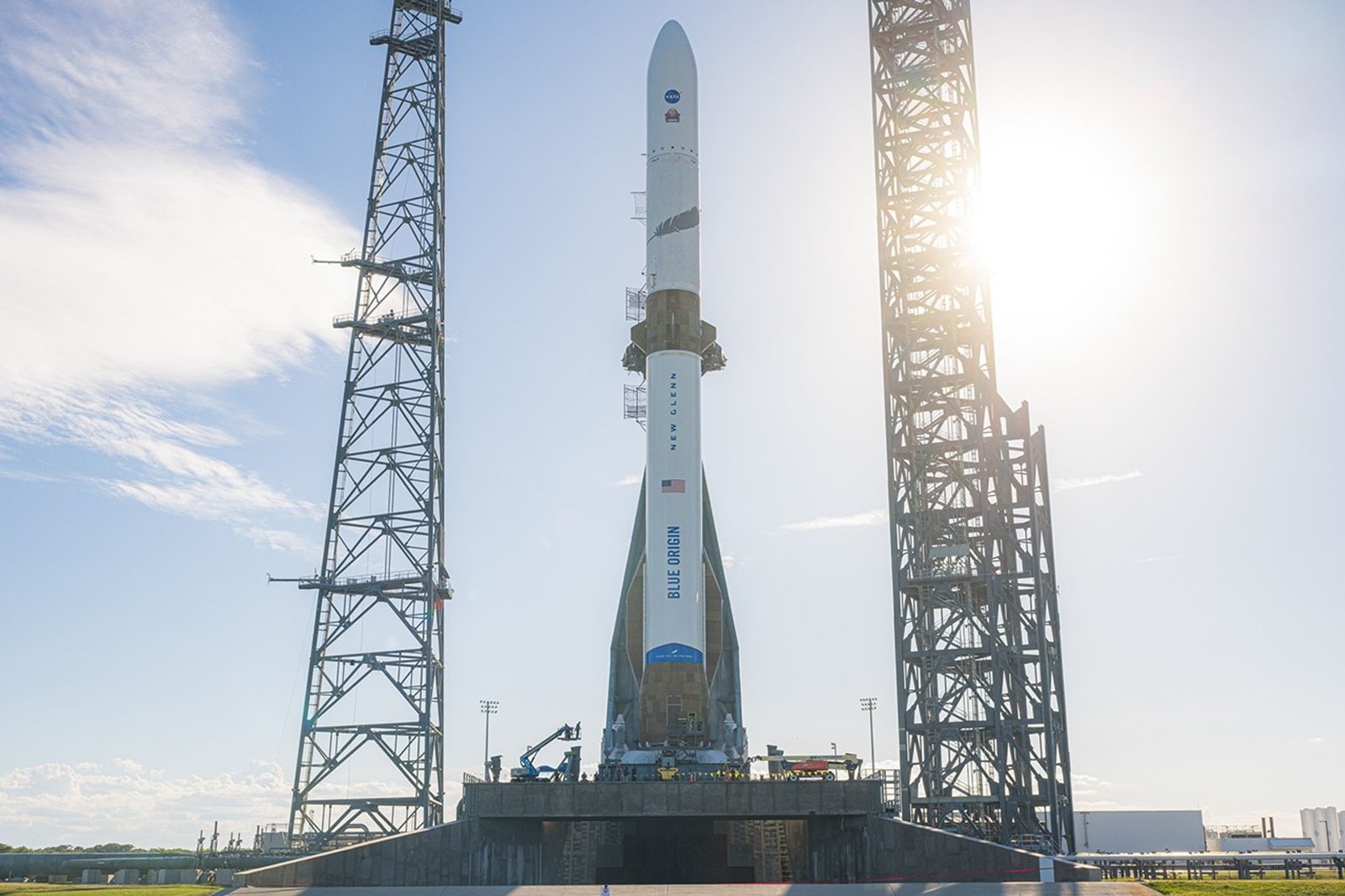







Blue Origin’s powerful New Glenn rocket has received official FAA clearance to resume launches following a partial failure during its third mission (NG-3) in April 2026. The reusable heavy-lift rocket, developed by Jeff Bezos’ space company, is now cleared for its next flight (NG-4) after swift corrective actions addressed a second-stage issue that stranded a commercial satellite.
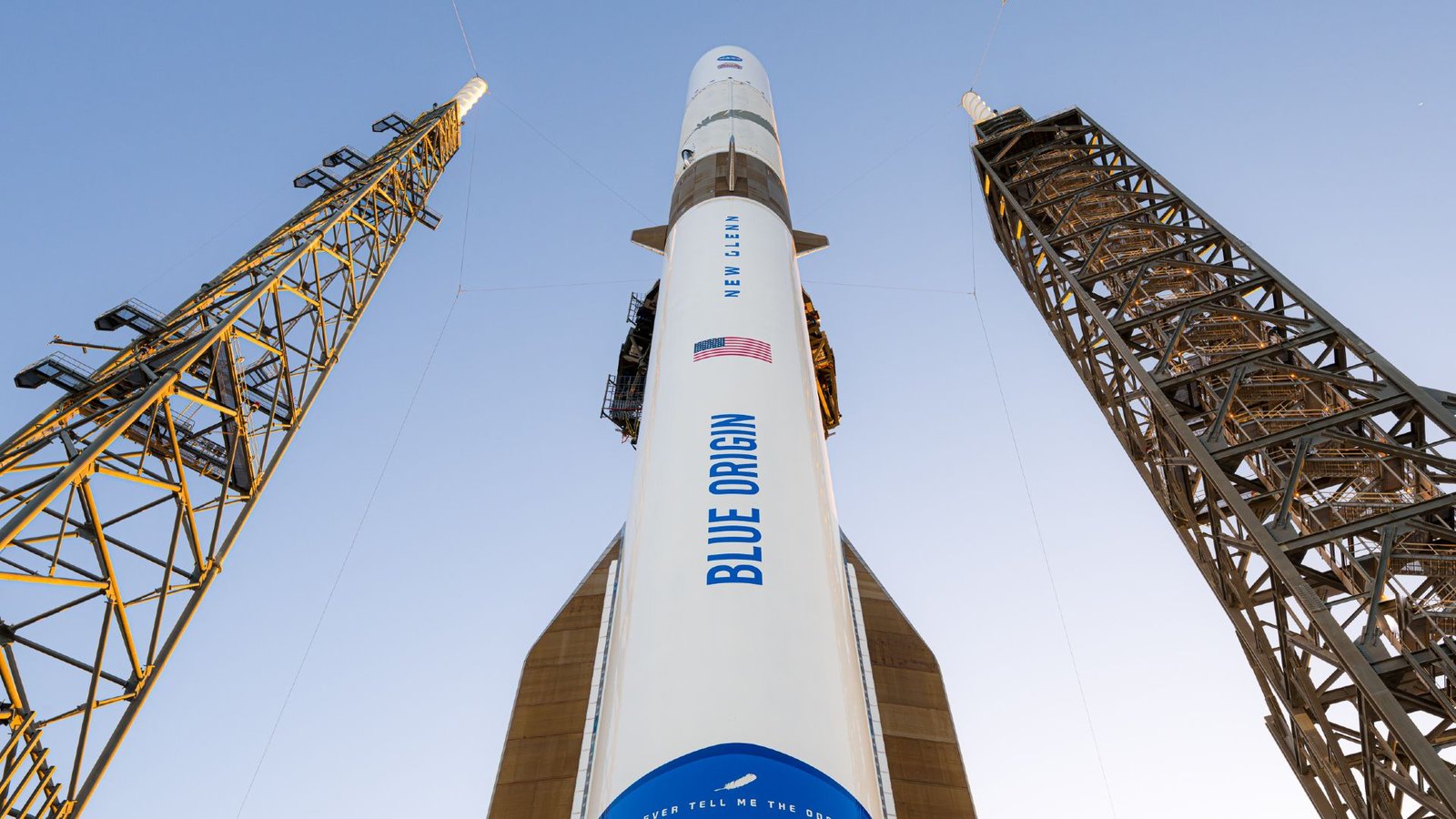
This development marks a significant milestone for Blue Origin New Glenn in the competitive commercial space launch industry. With successful first-stage reusability proven and production ramping up, New Glenn is poised to challenge SpaceX’s dominance in heavy-lift capabilities for satellite constellations, lunar missions, and national security payloads.
What Happened During Blue Origin New Glenn NG-3 Mission?
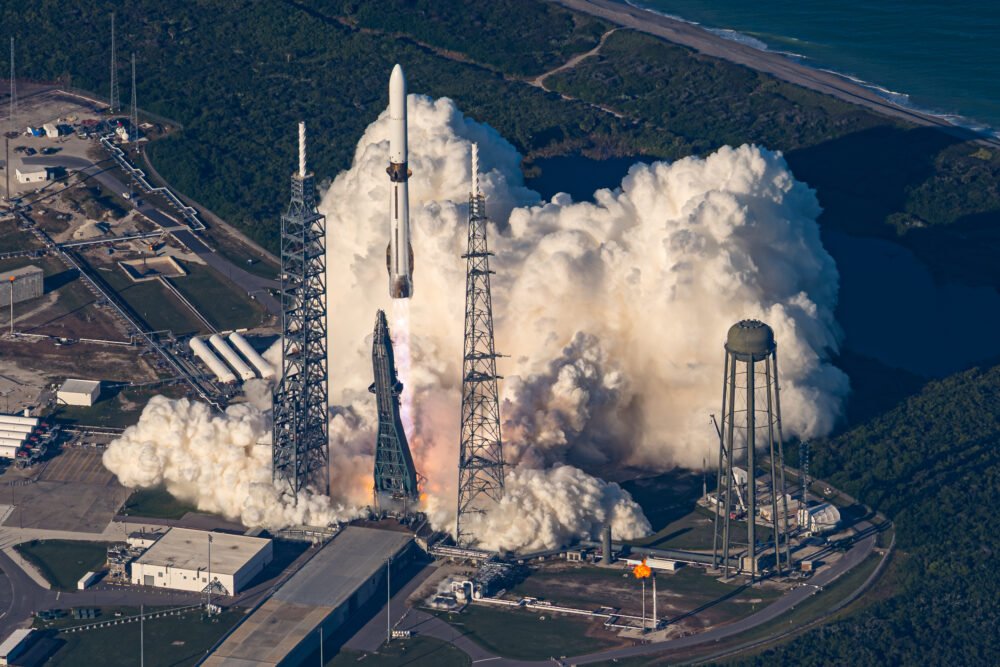
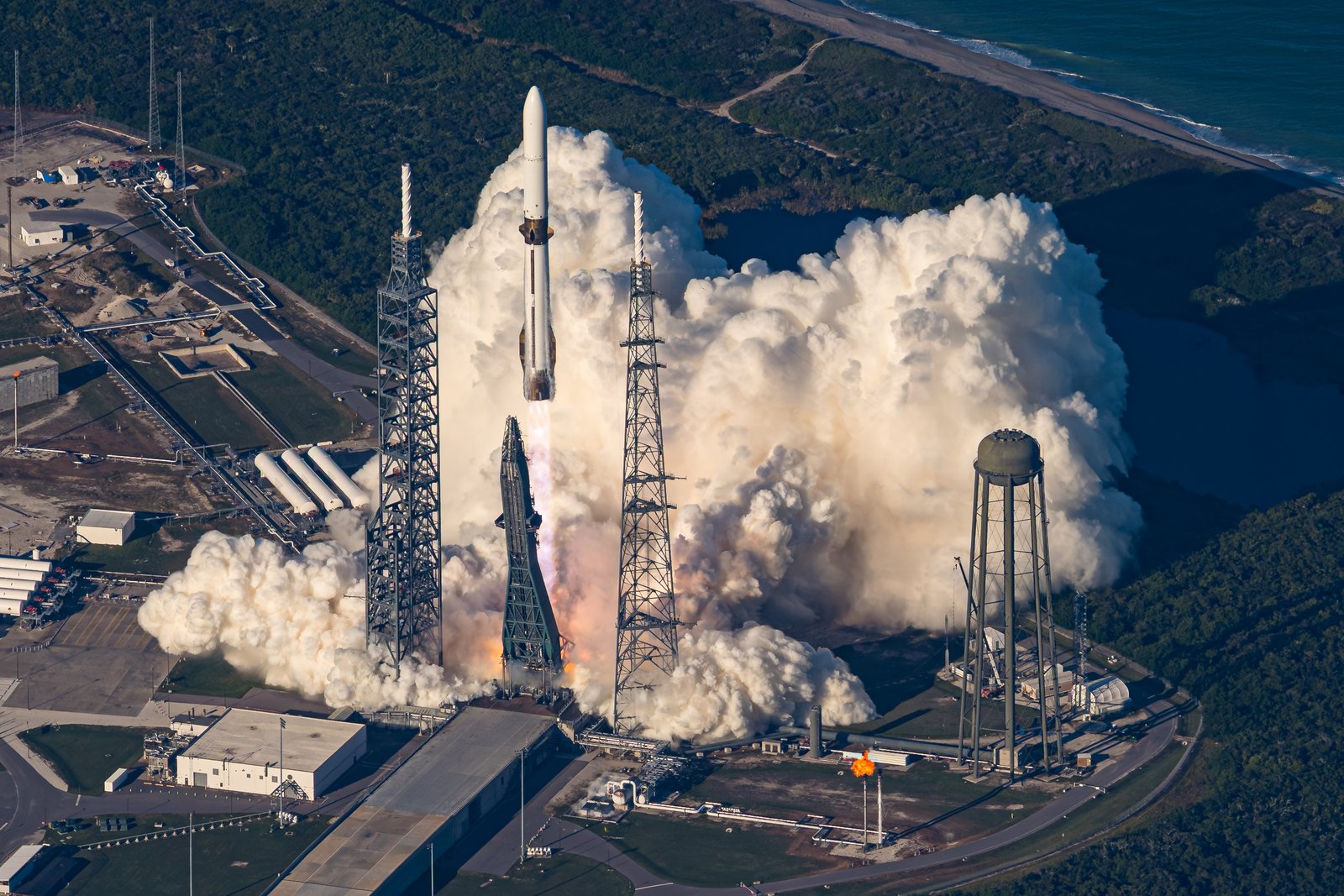
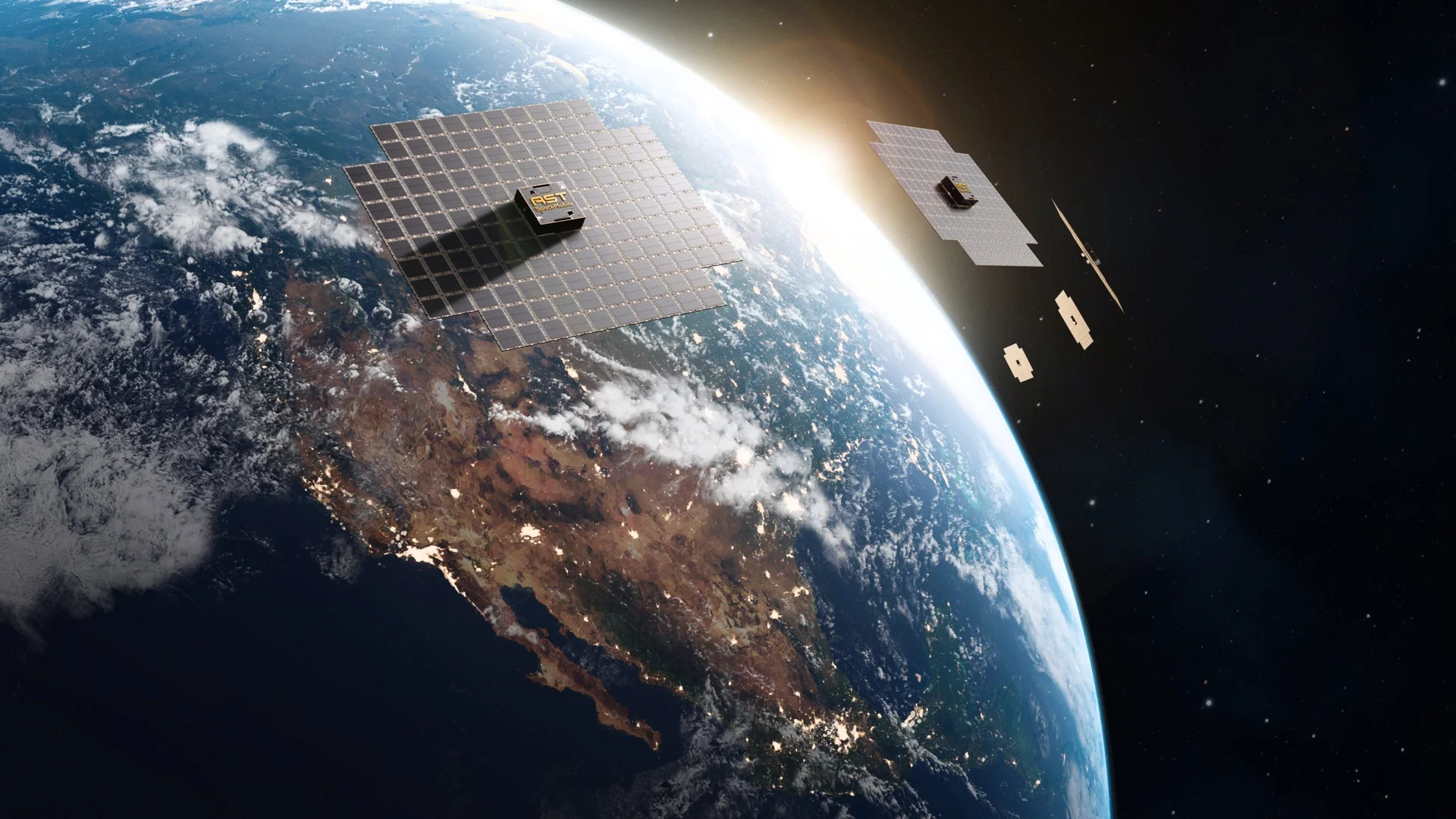
On April 19, 2026, Blue Origin launched the New Glenn rocket from Cape Canaveral Space Force Station carrying AST SpaceMobile’s BlueBird 7 satellite. The mission aimed to demonstrate booster reuse and deliver the satellite to a precise low Earth orbit for direct-to-smartphone connectivity.
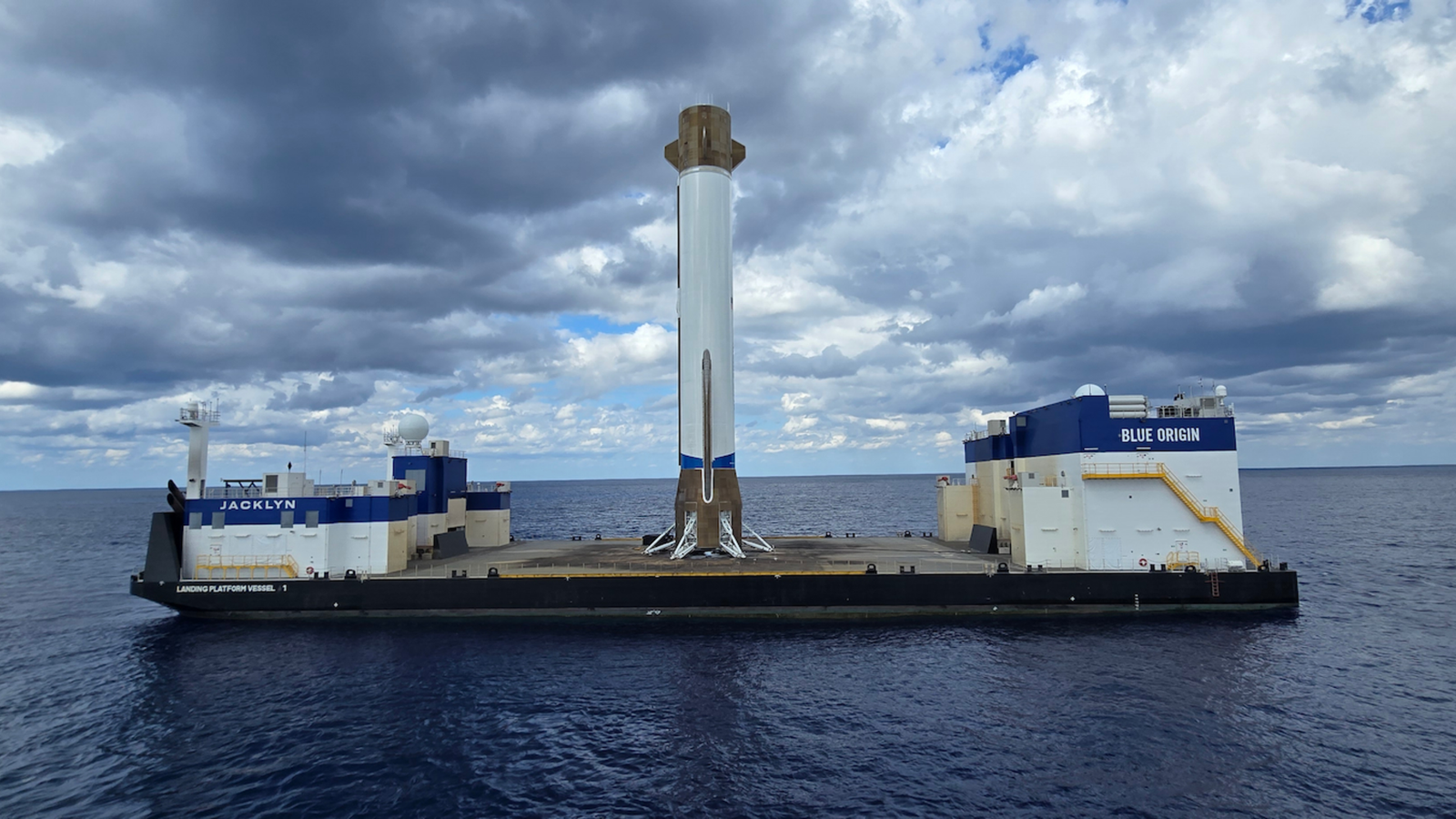
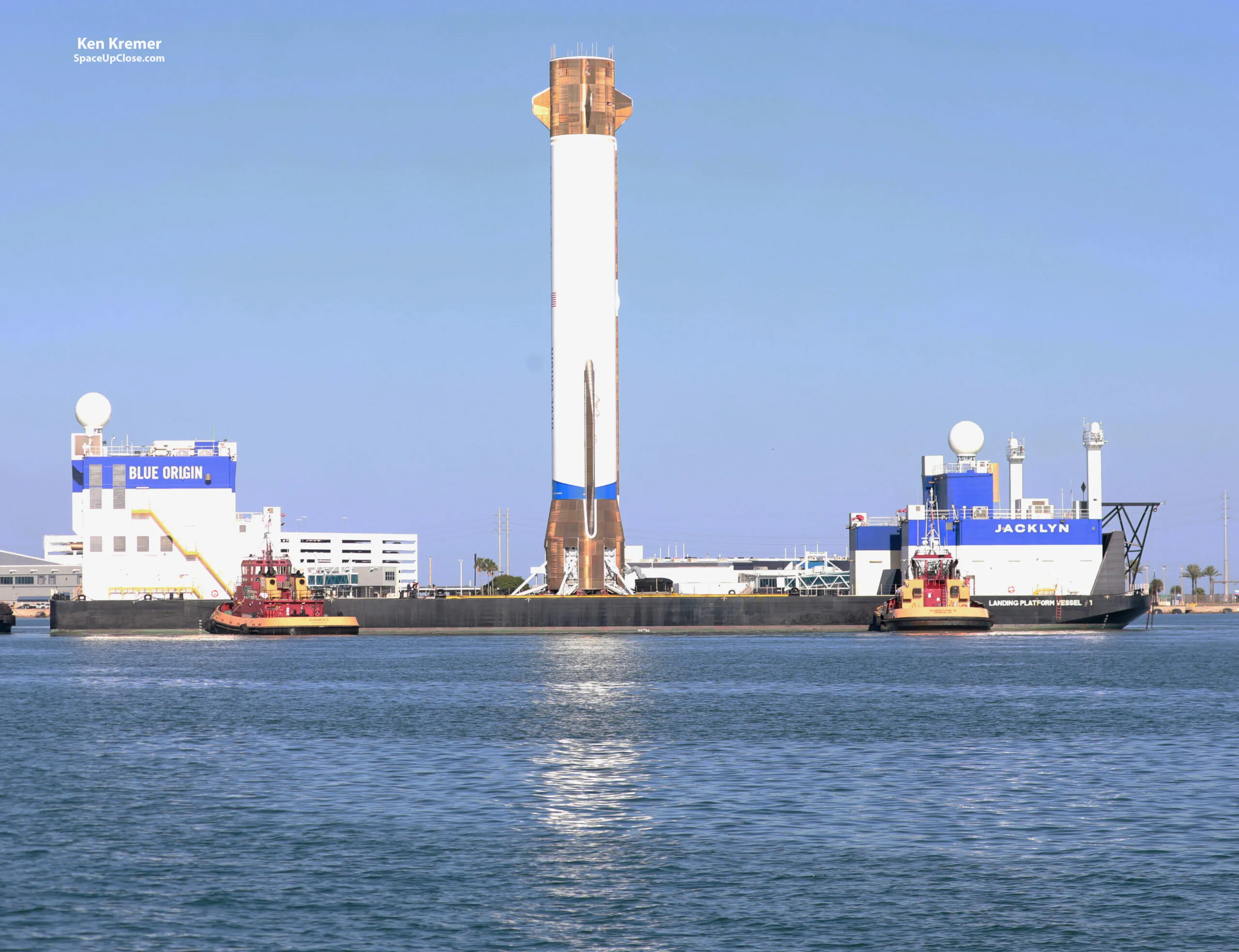
The reusable first-stage booster, named “Never Tell Me The Odds” (previously flown on the NG-2 mission for NASA’s ESCAPADE Mars probes in late 2025), performed flawlessly. It successfully separated and landed on Blue Origin’s ocean platform Jacklyn in the Atlantic Ocean, highlighting the rocket’s reusability strategy.
However, the second stage (GS2) encountered an anomaly during its second engine burn. One of the BE-3U engines failed to achieve full thrust, placing the BlueBird 7 satellite in an “off-nominal” lower orbit. The satellite could not reach operational altitude and was later de-orbited.
Root Cause: Cryogenic Leak and Thermal Anomaly in New Glenn Upper Stage
Blue Origin’s investigation identified the root cause as a cryogenic leak that froze a hydraulic line, leading to an off-nominal thermal condition in the second stage. This reduced thrust in one BE-3U engine during the critical GS2 burn, preventing the payload from reaching the target 285-mile orbit.
The FAA classified the event as a mishap and temporarily grounded the New Glenn rocket pending a full investigation. Blue Origin submitted its report, detailing nine corrective actions to prevent recurrence.
On May 22, 2026, Blue Origin announced via X (formerly Twitter):
“The FAA has approved our NG-3 report, and corrective measures have been implemented. Prior to our second GS2 burn, we experienced an off-nominal thermal condition, and, as a result, one of the BE-3U engines didn’t achieve full thrust to reach our target orbit. NG-4 preparations…”
The FAA confirmed closure of the investigation, allowing launches to resume after verifying the fixes.
Reusability Success: A Bright Spot for Blue Origin New Glenn
Despite the upper-stage issue, the NG-3 mission validated key reusability goals. The first stage’s successful recovery and prior flight history demonstrate Blue Origin’s progress toward rapid reusability — a cornerstone for lowering launch costs and increasing flight cadence, similar to SpaceX’s Falcon 9 approach.
The booster’s safe landing on the Jacklyn platform was a major engineering win, especially after development delays in earlier New Glenn test flights.
FAA Clearance and What It Means for Future New Glenn Launches
With FAA approval secured just over a month after the April launch, Blue Origin can now accelerate preparations for NG-4 and beyond. The company aims to scale operations significantly, with job postings indicating plans to produce up to 60 New Glenn upper stages by Q3 2028.
This rapid resolution underscores Blue Origin’s commitment to safety and reliability while maintaining momentum in the growing commercial launch market.
Blue Origin’s Ambitious Roadmap: Production Ramp-Up and Major Contracts
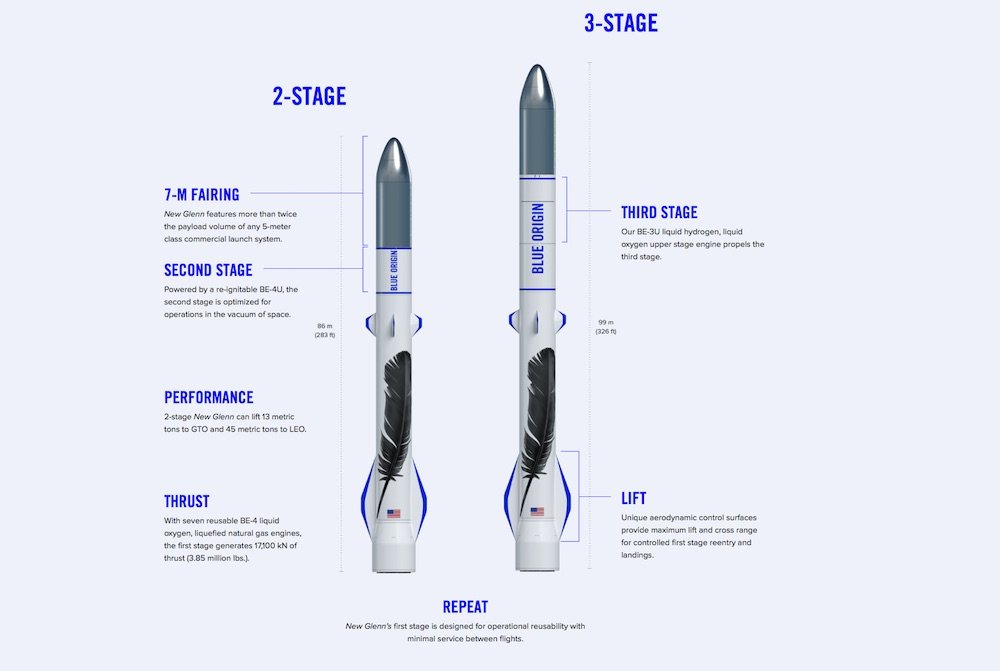
New Glenn is designed as a heavy-lift vehicle capable of delivering 45 metric tons to low Earth orbit (LEO) and 13 metric tons to geostationary transfer orbit (GTO). Key upcoming missions include:
- Deployment of Amazon’s Project Kuiper satellites
- Support for NASA’s Artemis program and Blue Moon lunar landers
- National security launches awarded by the U.S. Space Force
- Additional AST SpaceMobile BlueBird constellation satellites
Jeff Bezos and the Blue Origin team view New Glenn as central to their vision of affordable, high-volume access to space.
Blue Origin New Glenn vs SpaceX: Intensifying Competition in Reusable Rockets
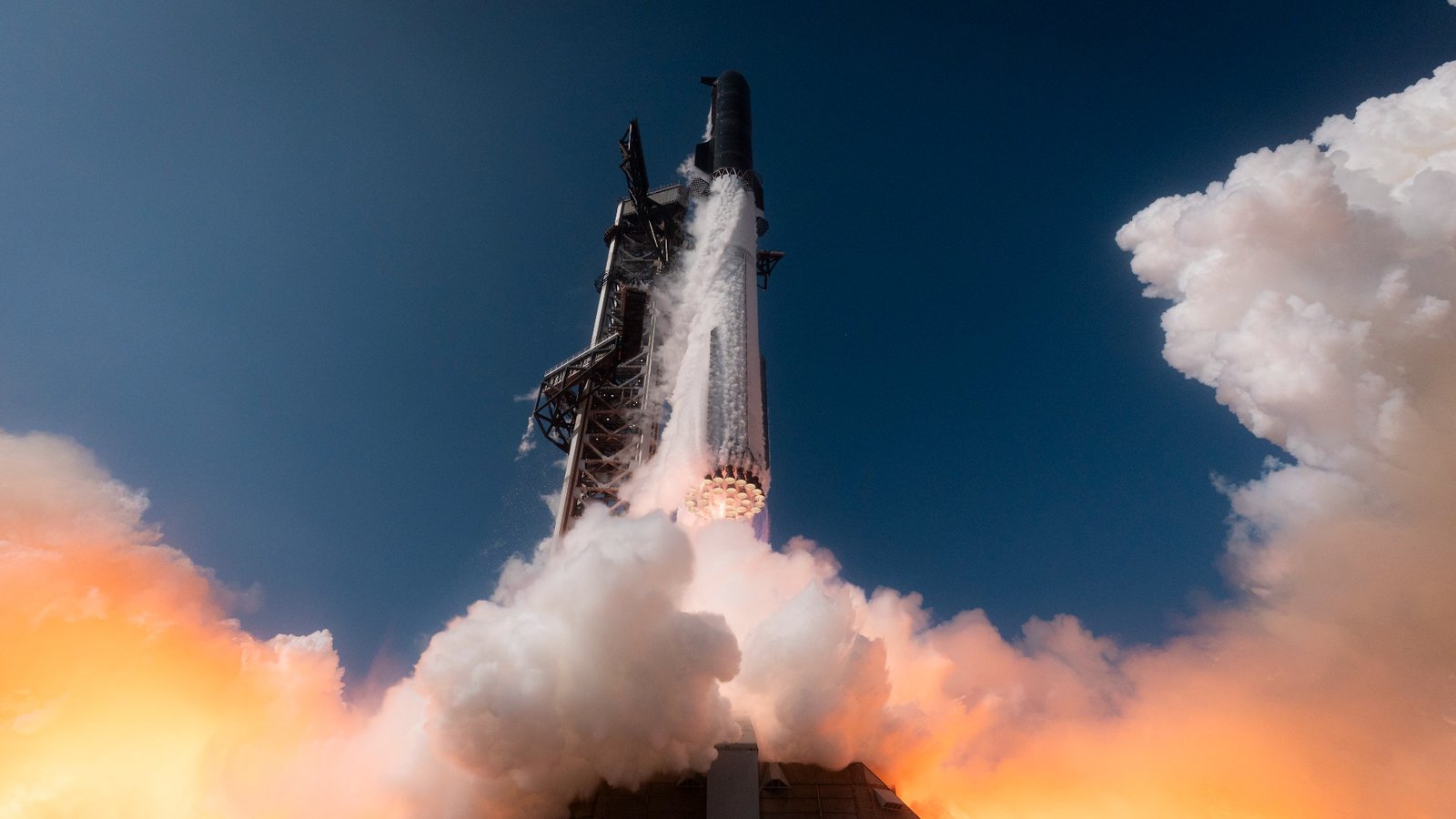
The return-to-flight clearance comes as Blue Origin competes directly with SpaceX’s Falcon 9 and upcoming Starship. While SpaceX has achieved higher launch frequency, New Glenn’s larger payload capacity positions it as a strong contender for heavy payloads and high-energy orbits.
Successful reusability and a reliable launch cadence will be critical for Blue Origin to capture market share in the booming satellite mega-constellation sector.
Why This Matters: Advancing Commercial Spaceflight and Beyond
The FAA’s quick clearance of the Blue Origin New Glenn rocket demonstrates the maturing regulatory framework for commercial spaceflight. It also reassures customers and investors that minor anomalies in complex cryogenic systems can be addressed efficiently.
As preparations for NG-4 continue, all eyes are on Blue Origin’s next launch from Cape Canaveral. The successful resolution of the NG-3 mishap strengthens confidence in New Glenn’s long-term role in humanity’s expansion into space.
Stay tuned for updates on Blue Origin New Glenn NG-4 launch date, payload manifests, and further reusability achievements. The era of large-scale, reusable heavy-lift rockets is accelerating — and Blue Origin is firmly back in the race.