






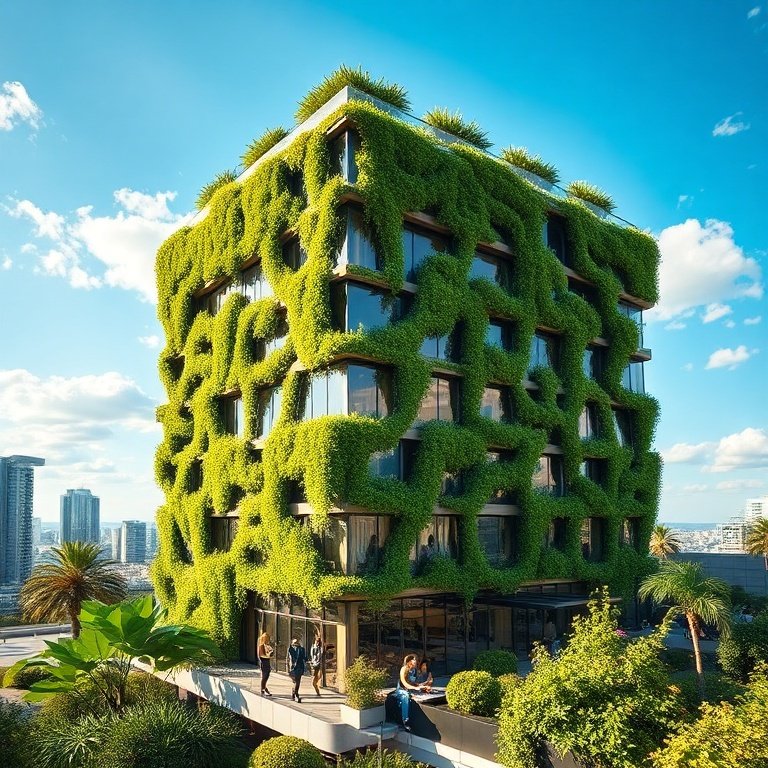
In an increasingly fast-paced, digital world, where concrete jungles often overshadow natural landscapes, a profound shift is taking place in how we design our living and working environments. This isn’t just a trend; it’s a fundamental recognition of our innate human need for nature. We’re witnessing the undeniable rise of biophilic design, an architectural philosophy that seeks to weave natural elements and processes into our urban fabric, transforming sterile spaces into vibrant ecosystems that nurture our well-being. From towering skyscrapers adorned with vertical gardens to serene indoor courtyards, architects are rediscovering the profound power of nature to soothe, inspire, and heal.
This post isn’t just about admiring beautiful buildings; it’s about understanding how these design principles can empower you to live a more fulfilling and healthier life. We’ll explore how integrating nature into our daily surroundings can lead to tangible benefits, helping you to achieve a better state of mind and body. Prepare to embark on a journey that reveals how a conscious connection with the natural world can help you truly Rise & Thrive.
The Rise of Biophilic Design: Reconnecting with Nature’s Essence
Biophilic design is more than just adding potted plants to an office; it’s a holistic approach rooted in the “biophilia hypothesis.” This concept, popularized by Harvard biologist E.O. Wilson, suggests that humans possess an innate tendency to connect with nature and other living systems. For millennia, our ancestors lived in intimate connection with the natural world, and our brains are still wired for that relationship. However, rapid urbanization has largely severed this primal bond, leading to what some call “nature deficit disorder.”
The rise of biophilic design is a direct response to this disconnect. It seeks to integrate natural elements and processes into the built environment to satisfy our deep-seated need for nature. This can manifest in various ways, from direct exposure to natural light, fresh air, and vegetation, to indirect experiences through natural materials, patterns, and views. The goal is to create spaces that not only look good but also make us feel good, fostering a sense of calm, focus, and vitality.
Understanding the Biophilia Hypothesis and Its Rise in Influence
E.O. Wilson’s biophilia hypothesis posits that humans have an evolutionary predisposition to affiliate with nature. This isn’t merely a preference; it’s a fundamental aspect of our psychology and physiology. Our well-being is intrinsically linked to our connection with the natural world. When we are deprived of this connection, our physical and mental health can suffer, leading to increased stress, fatigue, and reduced cognitive function.
The increasing recognition of this hypothesis is fueling the rise of biophilic principles in architecture and urban planning. Researchers have consistently demonstrated that exposure to natural environments can lower blood pressure, reduce stress hormones, improve mood, and enhance cognitive performance. As cities grow denser and digital screens dominate our lives, the deliberate inclusion of nature becomes not just a luxury, but a necessity for human flourishing. This understanding is driving a powerful movement to bring nature back into our daily lives.
How Biophilic Design Can Help You Rise to a Better You
The beauty of biophilic design lies in its actionable principles. You don’t need to live in a custom-built biophilic home to experience its benefits. By understanding the core tenets, you can begin to integrate elements into your own environment, whether it’s your apartment, office, or even your daily routine. Here are five practical steps inspired by biophilic design to help you cultivate a better, more vibrant you.
Step 1: Embrace Natural Light – A Daily Rise in Energy
Natural light is perhaps the most fundamental and impactful element of biophilic design. Our bodies are governed by circadian rhythms, an internal clock that regulates sleep-wake cycles, hormone production, and metabolism. Exposure to natural light, especially in the morning, helps to synchronize this clock, leading to better sleep, improved mood, and increased alertness throughout the day.
Architects prioritize natural light through large windows, skylights, and even light shelves that bounce sunlight deeper into interior spaces. For your home or office, consider orienting your workspace near a window. Maximize natural light by keeping curtains open during the day and choosing lighter paint colors that reflect light. Even spending 15-30 minutes outdoors in natural sunlight each morning can significantly impact your energy levels and help you naturally rise with the sun, boosting your overall vitality. Studies show that employees with more natural light exposure report better sleep quality and fewer headaches.
Step 2: Incorporate Greenery – Watch Your Mood Rise
Bringing plants into your indoor environment is one of the most accessible ways to practice biophilic design. Plants do more than just add a touch of color; they actively improve air quality by filtering toxins, regulate humidity, and have a calming psychological effect. The presence of living greenery has been shown to reduce stress, lower blood pressure, and enhance concentration.
Consider adding a variety of indoor plants to your living and working spaces. From small desk plants like snake plants or ZZ plants to larger statement pieces like fiddle-leaf figs or monsteras, there’s a plant for every space and skill level. Vertical gardens or living walls are becoming popular in commercial and residential settings, offering a stunning and space-efficient way to integrate abundant greenery. Even a small herb garden in your kitchen can make a difference. Watching new leaves unfurl or tending to your plants can provide a meditative escape, allowing your mood to gently rise.
Step 3: Integrate Natural Patterns & Materials – Feel Your Focus Rise
Biophilic design extends beyond direct nature exposure to include indirect elements, such as natural patterns, textures, and materials. Think about the organic, fractal patterns found in leaves, tree branches, or flowing water. These patterns are visually engaging yet non-distracting, promoting a sense of ease and reducing cognitive fatigue. Similarly, using natural materials like wood, stone, cork, and wool can evoke a sense of warmth, authenticity, and connection to the earth.
When decorating or renovating, opt for materials with natural grains and textures. A wooden desk, a stone countertop, or even fabrics made from natural fibers can subtly enhance your environment. Avoid harsh, artificial materials that can feel cold or overwhelming. Incorporate artwork that features natural landscapes or abstract patterns reminiscent of nature. These elements create a sensory richness that can help your mind settle, allowing your focus to rise as distractions diminish. For instance, studies have shown that classrooms with more natural wood elements lead to better academic performance.
Step 4: Create Views & Vistas – A Rise in Perspective
Having a clear view of nature, whether it’s a distant mountain range, a bustling park, or even a small backyard garden, can have profound psychological benefits. Views of natural landscapes have been linked to faster recovery rates in hospital patients, reduced stress in office workers, and improved concentration in students. It provides a sense of expansiveness and a visual break from the immediate task at hand, offering a valuable mental reset.
If you have access to a natural view, maximize it. Arrange furniture to face windows that offer glimpses of trees, sky, or water. If your view is less than ideal, consider creating an artificial vista. A well-placed mirror can reflect a small patch of sky or greenery. Large, high-quality nature photography or art can also serve as a “borrowed landscape,” tricking your brain into experiencing a sense of openness. Even a simple bird feeder outside your window can provide a dynamic, natural focal point. This connection to the outside world helps to broaden your perspective and allows a sense of calm to rise within you.
Step 5: Foster Community & Connection – The Rise of Social Well-being
While often focused on individual well-being, biophilic design also supports social health by creating inviting, comfortable spaces that encourage interaction and community. Shared green spaces, outdoor seating areas, and communal gardens naturally draw people together, fostering a sense of belonging and reducing feelings of isolation. Humans are social creatures, and our well-being is deeply intertwined with our connections to others.
Look for opportunities to connect with nature in a communal setting. Participate in a community garden, join a local hiking group, or simply spend time in urban parks or plazas designed with biophilic principles. If you’re designing a space, consider how natural elements can create comfortable gathering spots. Benches under a canopy of trees, a shared outdoor patio with plants, or a natural play area for children can all encourage positive social interactions. This collective experience of nature allows a sense of shared well-being to rise, strengthening community bonds and creating a more supportive environment for everyone.
The Global Rise of Nature-Infused Urbanism
The impact of biophilic design is not limited to individual homes or offices; it’s transforming entire cities. Urban planners and architects worldwide are embracing green infrastructure, integrating parks, green roofs, and vertical forests into cityscapes. Singapore, for example, is a prime example of a “City in a Garden,” where biophilic principles are woven into its very identity, from the iconic Supertrees to the extensive network of park connectors. Projects like Milan’s Bosco Verticale (Vertical Forest) demonstrate how residential towers can become living ecosystems, mitigating urban heat island effects and promoting biodiversity.
This global movement signifies a profound shift in our understanding of sustainable urban development. It’s not just about minimizing harm to the environment; it’s about actively creating environments that enhance human health and ecological resilience. As more research emerges on the quantifiable benefits – from reduced energy consumption and improved air quality to increased property values and enhanced public health – the trend is set to continue its vigorous rise. Forward-thinking cities are realizing that investing in green infrastructure is an investment in their citizens’ future, fostering healthier, happier, and more productive communities.
Conclusion: Your Path to Rise & Thrive
The rise of biophilic design is a testament to our enduring connection with the natural world and its profound impact on our well-being. From embracing natural light and incorporating greenery to integrating natural patterns, creating inspiring views, and fostering community connections, these principles offer a powerful framework for enhancing your daily life. By consciously weaving nature into our urban fabric, architects are not just building structures; they are crafting environments that allow us to flourish.
You have the power to bring these transformative principles into your own life. Start small: open your blinds, add a plant to your desk, or take a walk in a local park. Observe how these simple changes make you feel. As you integrate more elements of biophilic design, you’ll likely notice a significant improvement in your mood, focus, and overall sense of well-being. Take these five steps and empower yourself to truly Rise & Thrive in a world that increasingly understands the invaluable gift of nature. What small change will you make today to invite more nature into your life?


