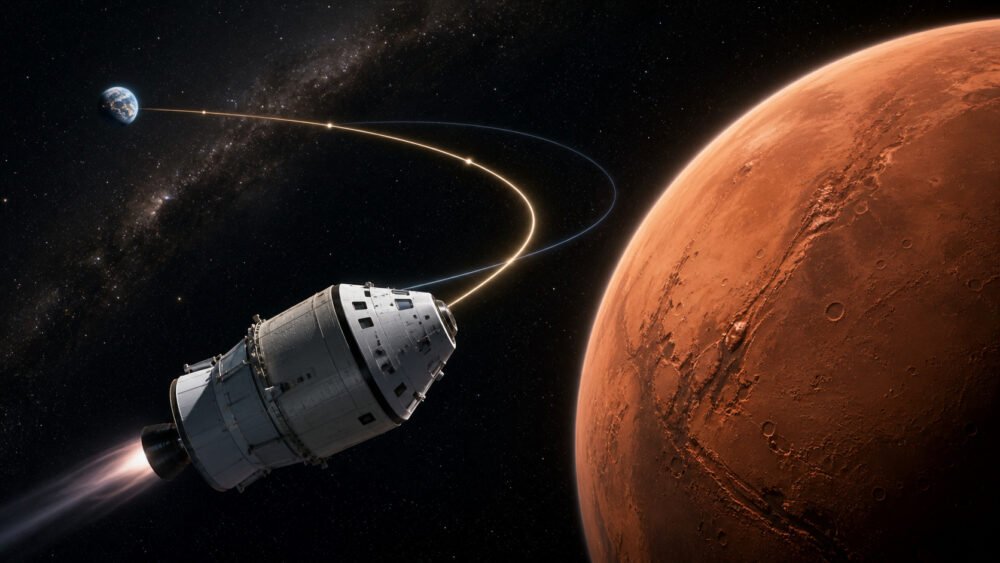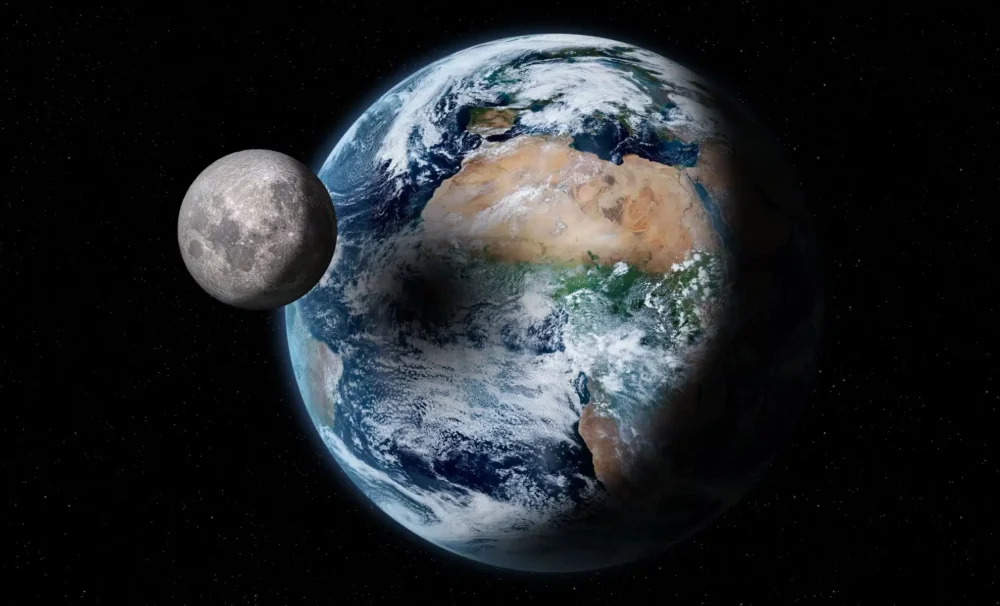








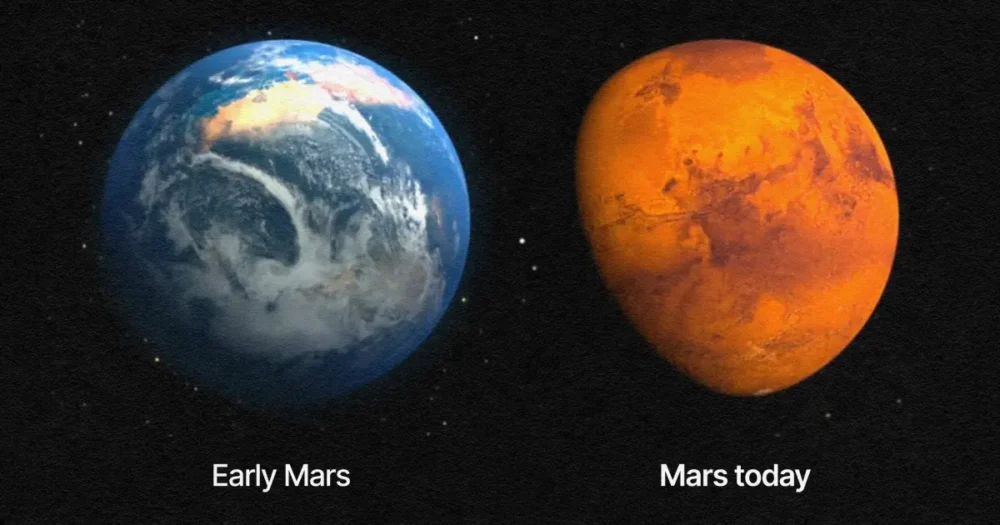
Earth and Mars siblings – the phrase is sending shockwaves through the astronomy world. For billions of years, these two neighboring planets have orbited the Sun, but a groundbreaking new study suggests they are true cosmic siblings, born from the exact same reservoir of rocky material in the early inner Solar System.
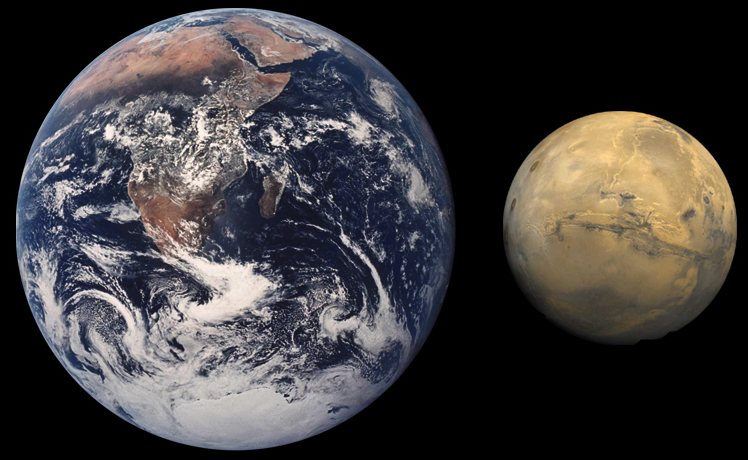
This latest research, published in Nature Astronomy, challenges long-held theories about planetary formation and the origins of Earth’s building blocks. Scientists now believe Earth and Mars share an incredibly close compositional match, with almost no material from beyond Jupiter’s orbit contributing to either planet.
What Does “Earth and Mars Siblings” Really Mean?
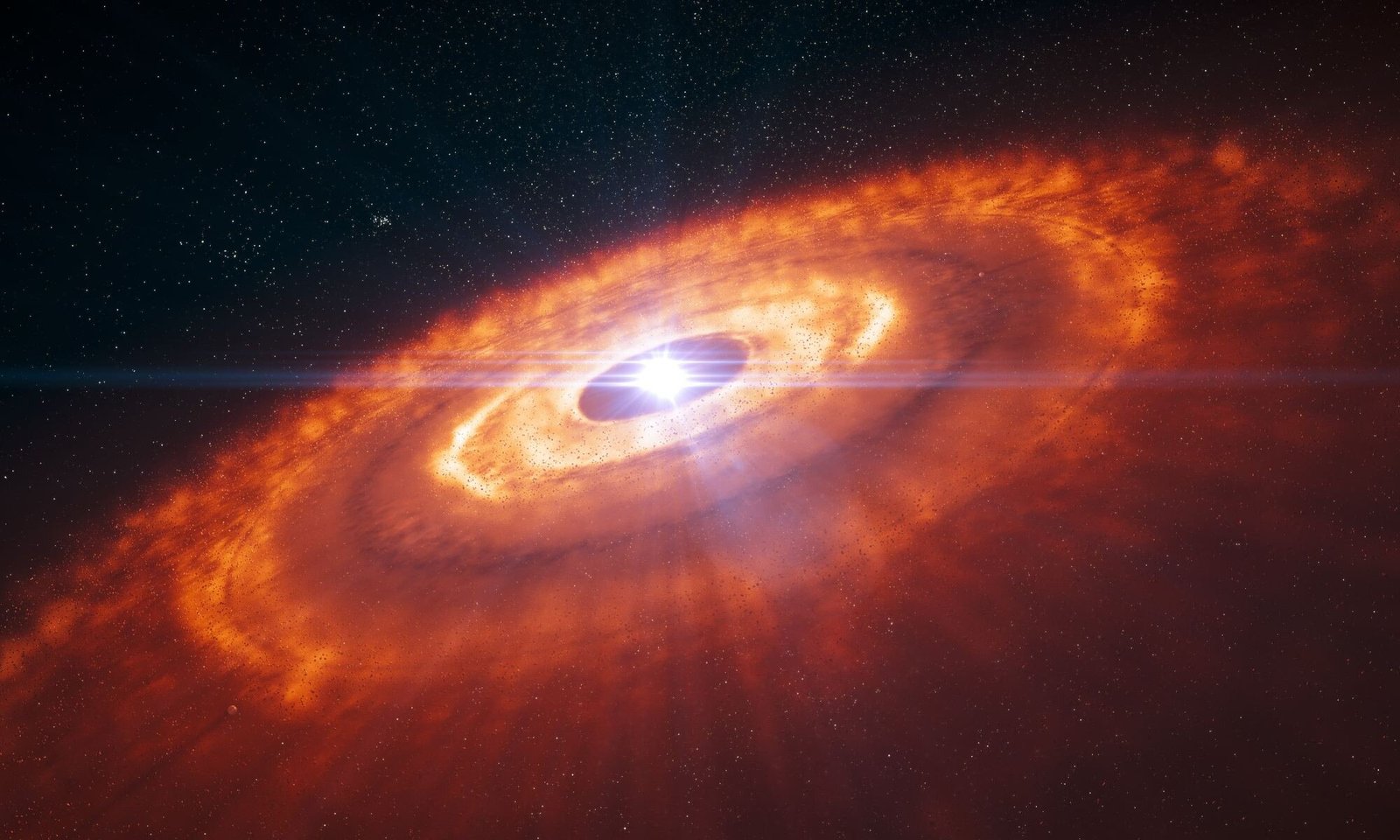
In planetary science, calling Earth and Mars siblings means they likely formed from the same local supply of dust and planetesimals in the Sun’s primordial protoplanetary disk. Rather than Earth scooping up material from across the entire Solar System (as some older models suggested), the new data shows our planet – and Mars – grew almost entirely from inner Solar System material.
Lead researchers Paolo Sossi (ETH Zurich) and Dan Bower used advanced isotopic analysis of meteorites from Mars and the asteroid Vesta to reach this conclusion. Their findings: material from the outer Solar System makes up less than 2% of Earth’s mass – or possibly none at all.
How Scientists Proved Earth and Mars Share the Same Origins
Meteorites act as time capsules from the early Solar System. By comparing isotopic ratios (unique chemical fingerprints of elements), the team created statistical models that cluster Earth, Mars, and Vesta together – distinct from outer Solar System objects.
Key evidence includes:
- Linear factor analysis of meteorites showing tight grouping between Earth and Mars.
- Isotopic and mass comparisons confirming the close similarity between the two planets.
- Purely observational data – no assumptions about unproven physical processes.
Paolo Sossi explained: “Our studies are actually data science experiments. We carried out statistical calculations that are rarely used in geochemistry, even though they are a powerful tool.”
Dan Bower added that outer Solar System material accounts for less than 2% of Earth’s mass – possibly zero.
Jupiter’s Gravitational “Wall” Shaped the Inner Planets
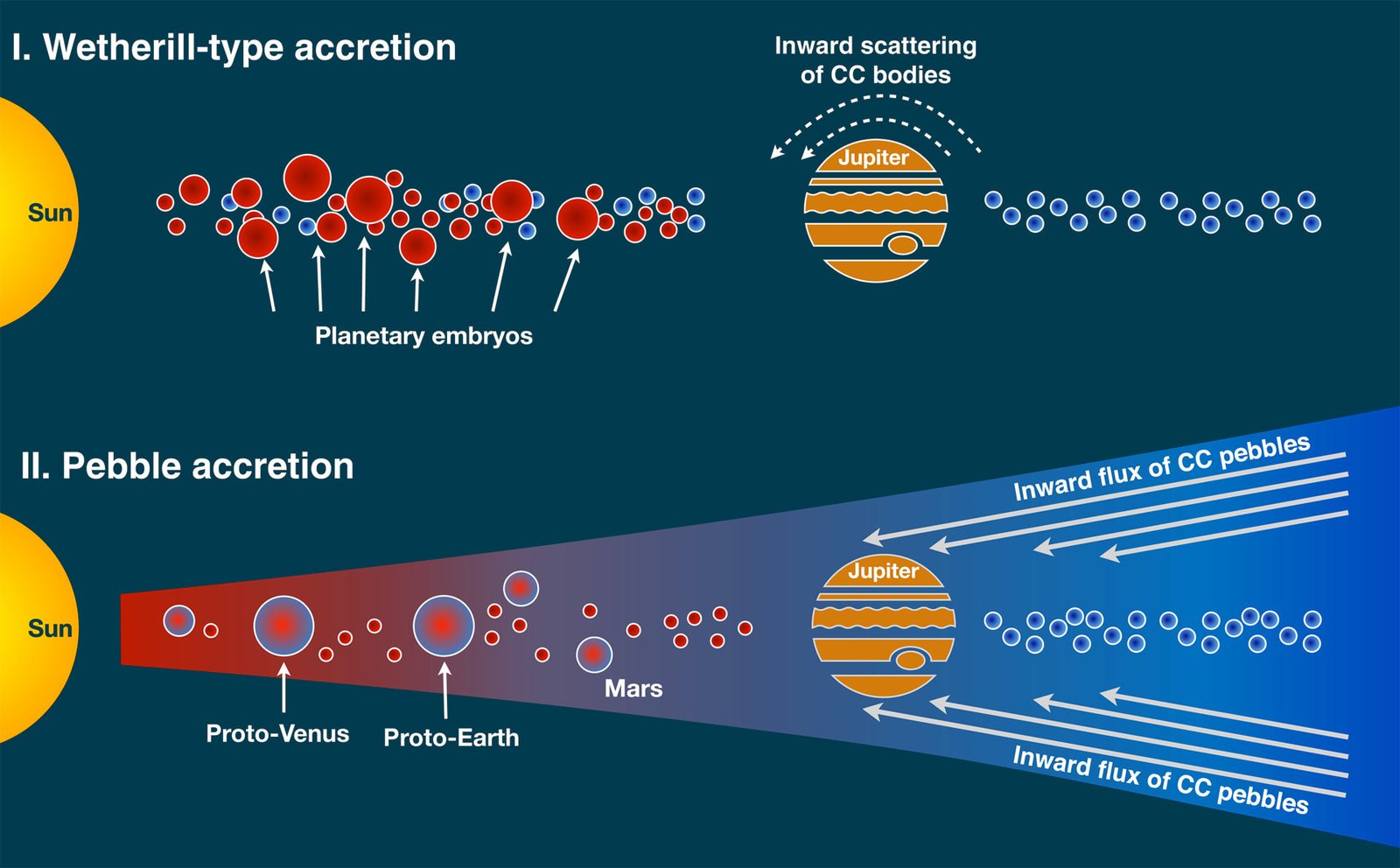
Jupiter played the starring role in keeping Earth and Mars siblings isolated. Its massive gravity carved a gap in the young Solar System’s dust disk, preventing outer icy and volatile-rich material from mixing with the rocky inner disk.
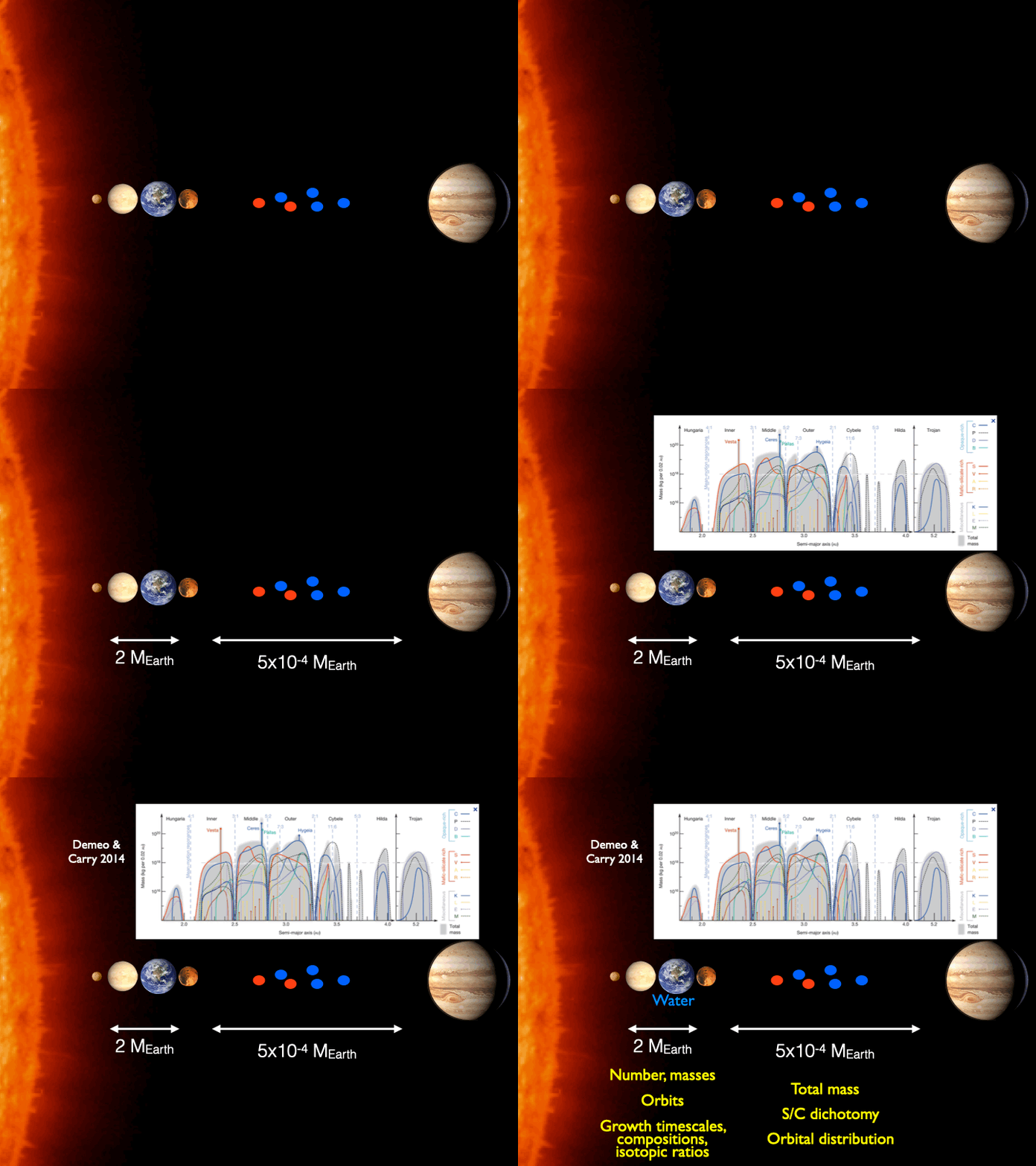
This “Jupiter gap” explains why the rocky planets (Mercury, Venus, Earth, and Mars) formed from a stable, local supply – and why Mars ended up smaller than Earth despite forming in the same neighborhood.
The study also suggests scientists can now predict the compositions of Venus and Mercury with greater confidence, painting a clearer picture of how all four inner rocky planets grew.
Why This Discovery Matters for Planetary Formation and Life
Understanding that Earth and Mars are cosmic siblings has huge implications:
- Water and volatiles: It refines models of how Earth acquired its oceans and atmosphere.
- Solar System architecture: Confirms Jupiter’s dominant role in separating inner and outer material.
- Future missions: Helps interpret data from Mars rovers and sample-return missions.
- Broader planet formation: Offers a new blueprint for how rocky exoplanets form around other stars.
Paolo Sossi summed it up perfectly: “Our results shed new light on the formation history of our Earth and the other rocky planets… the scientific discourse over the building blocks of Earth is far from over.”
Earth and Mars Siblings: What’s Next?
This Earth and Mars siblings revelation is fresh off the press (May 2026) and already reshaping textbooks. While older theories assumed widespread mixing across the Solar System, this data-driven study shows the inner planets stayed remarkably local.
The debate continues – heated discussions between researchers are expected – but one thing is clear: Earth and Mars didn’t just end up as neighbors. They started as true siblings, forged from the same cosmic cradle.
Related SEO Keywords for further reading:
- Earth Mars same origin
- Inner Solar System planetary formation
- Isotopic analysis meteorites
- Jupiter role in Solar System
- Rocky planets formation theory
The next time you look up at the Red Planet, remember: it’s not just our neighbor – it’s our cosmic sibling. Stay tuned as new missions and studies continue to unravel the shared story of Earth and Mars siblings.