







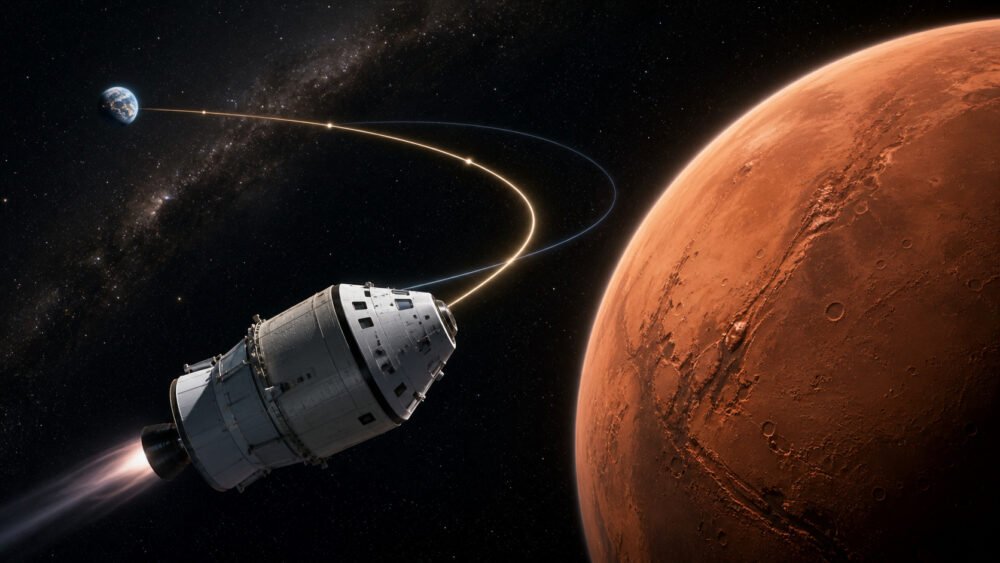
What if a Mars shortcut could slash the round-trip journey to the Red Planet to just 153 days—less than half the time of traditional missions? A groundbreaking new study reveals exactly that: using early orbital data from near-Earth asteroid 2001 CA21, scientists have identified a hidden space shortcut to Mars that could enable ultra-fast crewed missions as soon as the 2031 launch window.
This Mars shortcut 153 days isn’t sci-fi—it’s peer-reviewed orbital mechanics published in Acta Astronautica. By leveraging the asteroid’s preliminary trajectory plane, mission planners can unlock direct corridors that dramatically cut how long to get to Mars, reducing one-way travel from 6–9 months to as little as 33 days.
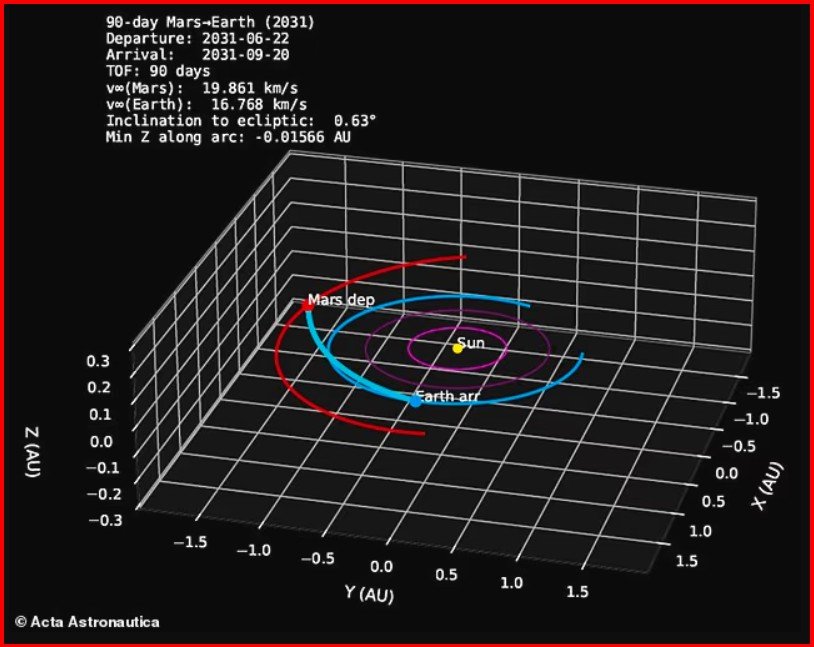
Key Fact: The 2031 Mars opposition offers the perfect geometric alignment for a full Earth–Mars–Earth round trip in 153 days (33 days outbound + 30-day surface stay + 90 days return) or a more practical 226 days.
Also Read:
Tiangong Space Station 2026: Life on China’s Heavenly Palace
China’s Kinetica-2 Rocket Launch 2026: Reusable Space Breakthrough
What Is the Mars Shortcut 153 Days and How Does Asteroid 2001 CA21 Make It Possible?
Traditional Mars mission travel time relies on fuel-efficient Hohmann transfers, but these take 180–300 days one way. The new space shortcut to Mars flips the approach by using the early orbital plane of asteroid 2001 CA21 as a geometric guide.
Brazilian researcher Marcelo de Oliveira Souza from the State University of Northern Rio de Janeiro discovered that staying within just 5° of the asteroid’s inclination creates “corridors” for rapid Lambert transfers. No asteroid flyby is needed—the data simply acts as a screening tool for hidden fast paths.
Quote from the study: “The 2031 Mars opposition supports two complete sub-year round-trip missions consistent with the CA21-anchored plane.”
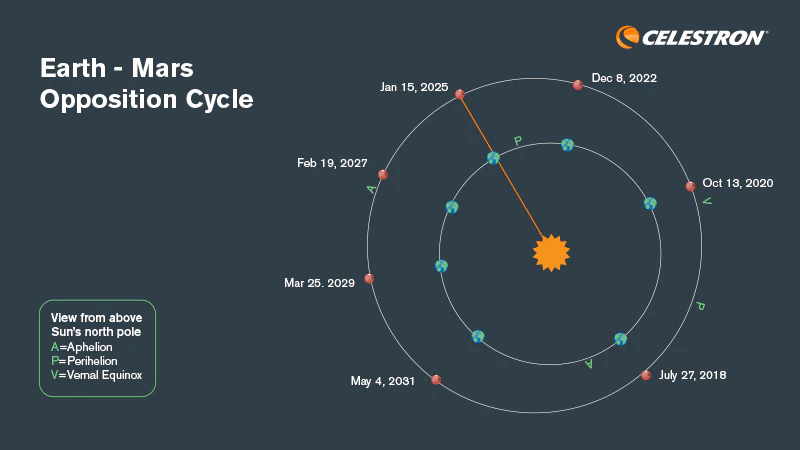
Why 2031 Is the Breakthrough Window for the Fastest Mars Mission
Not every Mars opposition works. The study tested 2027, 2029, and 2031—only 2031 provides the ideal alignment between Earth, Mars, and the CA21 plane for sub-year round trips.
- Extreme rapid profile (153 days total): 33 days to Mars + 30 days on surface + 90 days return
- Feasible profile (226 days total): 56 days to Mars + 35 days on surface + 135 days return
These timelines include short stays, making human Mars missions far more realistic than current multi-year plans.
Current vs. New Mars Travel Times
| Mission Type | One-Way Time | Full Round Trip | Notes |
|---|---|---|---|
| Traditional Hohmann | 180–300 days | 2–3+ years | Standard chemical rockets |
| New 2001 CA21 Shortcut (2031) | 33–56 days | 153–226 days | Asteroid-plane aligned transfers |
| NASA/SpaceX Concepts | 6–9 months | 2+ years | Current baseline plans |
Life-Changing Benefits of the 153-Day Mars Shortcut
Shorter Mars mission travel time solves the biggest challenges of deep-space exploration:
- Reduced radiation exposure: Less time in deep space means lower risk from galactic cosmic rays (GCRs)
- Improved astronaut health: Minimizes bone/muscle loss, psychological strain, and isolation
- Lower costs & smaller spacecraft: Less food, fuel, and life support required
- More frequent missions: Faster cycles enable multiple trips per decade
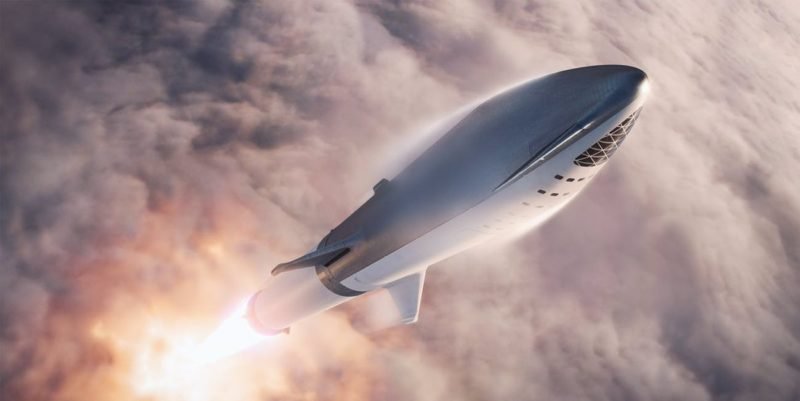
- Safer for humans: Makes crewed Mars exploration viable with near-term technology like Starship
This Mars shortcut could accelerate NASA Artemis, SpaceX Starship plans, and private missions to the Red Planet.
Real-World Impact: While theoretical, the trajectory is mathematically sound. Advanced chemical or nuclear thermal propulsion would enable these paths—perfect timing for 2030s Mars ambitions.
Frequently Asked Questions About the Mars Shortcut 153 Days
How long does a normal trip to Mars take? Traditional one-way missions take 6–9 months (180–300 days). The new asteroid 2001 CA21 shortcut cuts it to 33–56 days outbound in 2031.
Is the 153-day Mars round trip real? Yes—it’s based on a peer-reviewed study in Acta Astronautica (2026) using real orbital geometry. Hardware still needs development, but the path exists.
When is the next Mars shortcut opportunity? The perfect alignment is the 2031 Mars opposition. Earlier windows (2027/2029) don’t match the required plane.
Will NASA or SpaceX use this space shortcut to Mars? The study offers a powerful new planning tool. With Starship advancing rapidly, it could shape 2030s mission designs.
What makes asteroid 2001 CA21 special for Mars missions? Its early orbital data revealed a rare plane that aligns Earth and Mars perfectly in 2031, acting as a “blueprint” for fast transfers.
The Mars shortcut 153 days using asteroid 2001 CA21 could transform humanity’s journey to the Red Planet. Instead of years-long missions plagued by radiation and isolation, crews could reach Mars in weeks and return home in months—making the 2031 launch window one of the most exciting in space history.
This hidden space shortcut to Mars proves the solar system still holds surprises. The countdown to humanity’s fastest trip to the Red Planet has officially begun. Will your generation be the first to take it?