






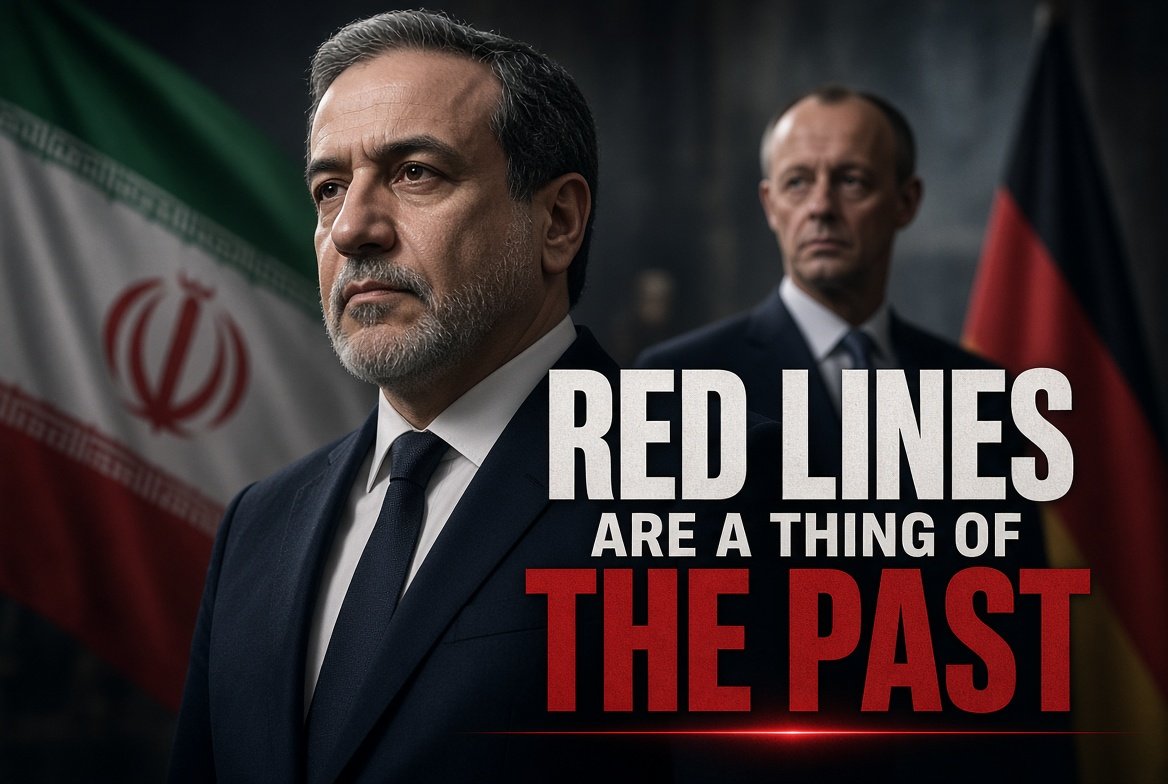
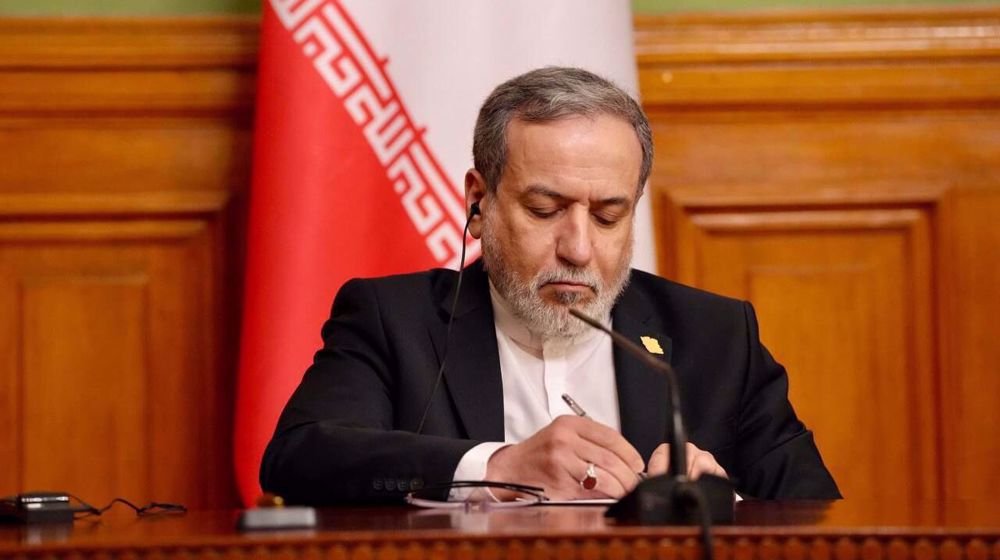
Iranian Foreign Minister Abbas Araghchi has issued a blunt warning that Tehran will no longer observe any red lines if the country faces another round of US-Israeli aggression. In a post on X on Saturday, he said Iran’s armed forces would deliver an “Earth-shattering blow” against anyone who harms the Iranian people.
Araghchi was responding to remarks by German Chancellor Friedrich Merz, who spoke at the end of a visit to South Korea. Merz noted that European businesses and consumers have already paid more than €100 billion extra because of higher energy prices linked to the conflict. He stressed that the war cannot be resolved by military means and called for stepped-up diplomatic efforts.
Araghchi directly challenged Merz by recalling the German chancellor’s earlier comments during the first US-Israeli campaign against Iran in mid-2025. At the time, Merz had described the strikes as “doing Europe’s dirty work.”
In his X post, the Iranian foreign minister wrote:
“When Israel-US bombings of Iran began last year, Mr. Merz hailed them. ‘Doing Europe’s dirty work.’ 100bn Euro is nothing compared to the Earth-shattering blow Iran’s Powerful Armed Forces will deal against those who dare harm our people. Red lines are a thing of the past.”
Background of the Conflict
The United States and Israel launched their first major campaign against Iran in June 2025. That round lasted 12 days before a ceasefire. A second round began on 28 February 2026 and continued for about 40 days before pausing in early April. In both cases, Iran carried out retaliatory strikes and maintained control over the Strait of Hormuz for extended periods, contributing to global energy price spikes.
Iran has repeatedly stated that any new attack will trigger a broader and more forceful military response. Araghchi’s latest statement reinforces that position while directly addressing European leaders who previously supported or downplayed the military option.
Merz’s recent comments reflect growing economic pressure in Europe. Higher energy costs have already exceeded €100 billion for European businesses and consumers, giving the continent a clear incentive to see the conflict end through talks rather than further military action.
Araghchi’s message makes clear that Tehran views previous restraint as over. Any renewed assault, he indicated, would meet a response unconstrained by earlier limits. The exchange highlights the sharp divide between European calls for diplomacy driven by economic pain and Iran’s insistence on strong deterrence.