






President Donald Trump’s recent state visit to China from May 13 to 15, 2026, marked his second trip to Beijing as president and the first U.S. presidential visit to China in nearly a decade. The high-profile Trump Xi Jinping summit focused on stabilizing U.S.-China relations amid ongoing tensions over trade, technology, Taiwan and the war in Iran. While Trump hailed “fantastic trade deals” and a “historic” moment, global media outlets from CNN, BBC, Reuters and The New York Times described the outcome as heavy on pageantry but light on concrete deliverables.
This detailed guide covers the full itinerary, every major topic discussed, key outcomes, reactions from top world news channels and what it means for U.S.-China relations moving forward. Optimized for searches like “Trump China visit 2026 outcomes” and “Trump Xi summit Beijing details.”
Arrival and Lavish Pageantry: Red Carpet Welcome Sets the Tone
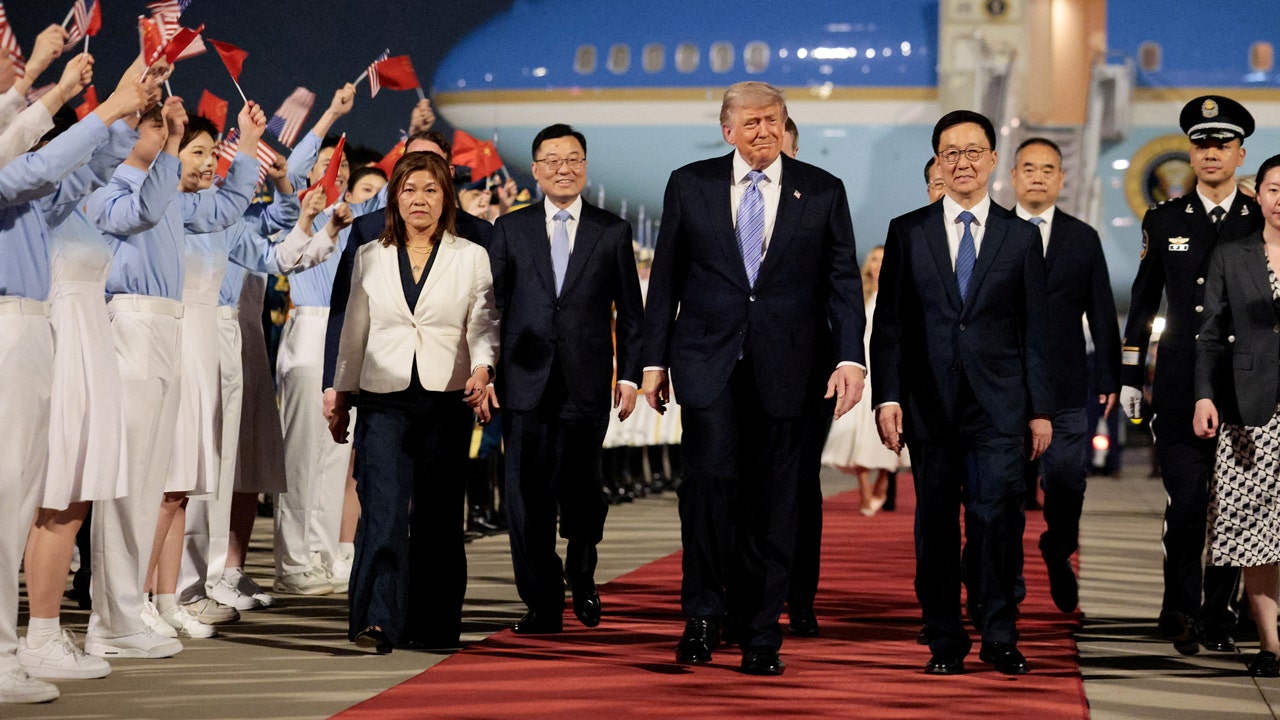
Trump landed in Beijing on May 13-14, 2026, greeted with a grand red-carpet ceremony complete with youths waving American and Chinese flags. Accompanied by a high-level delegation including business leaders from Nvidia and Tesla, the visit quickly became a spectacle of diplomacy.
Highlights included:
- A ceremonial welcome with military honors.
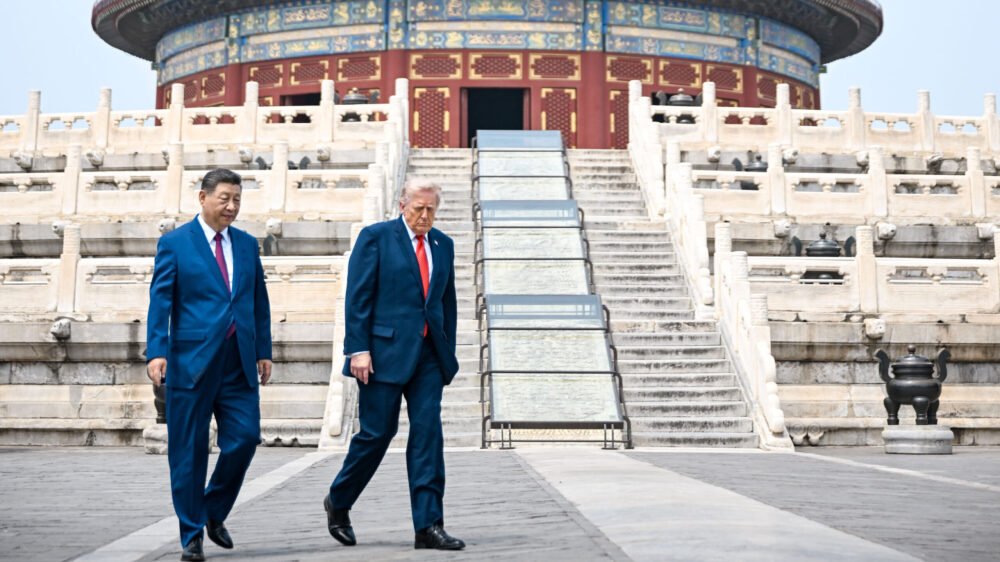
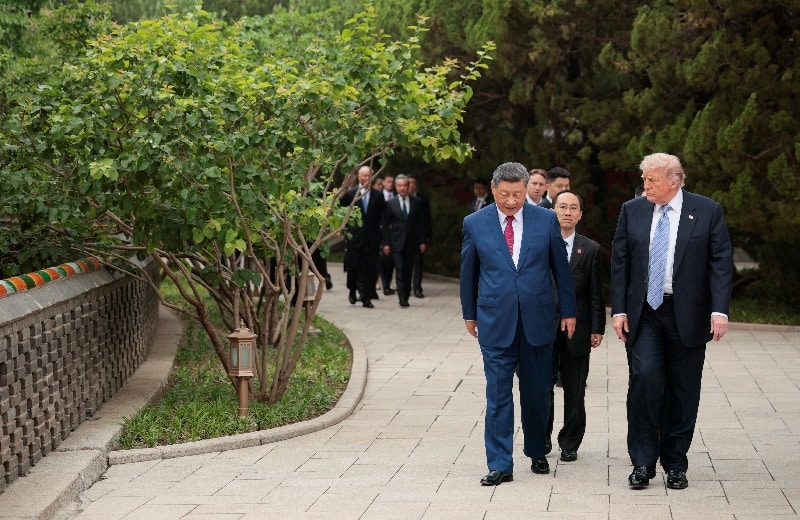
- Private tour of the iconic Temple of Heaven, where emperors once prayed for good harvests—Trump and Xi walked the grounds together in a highly symbolic photo op.
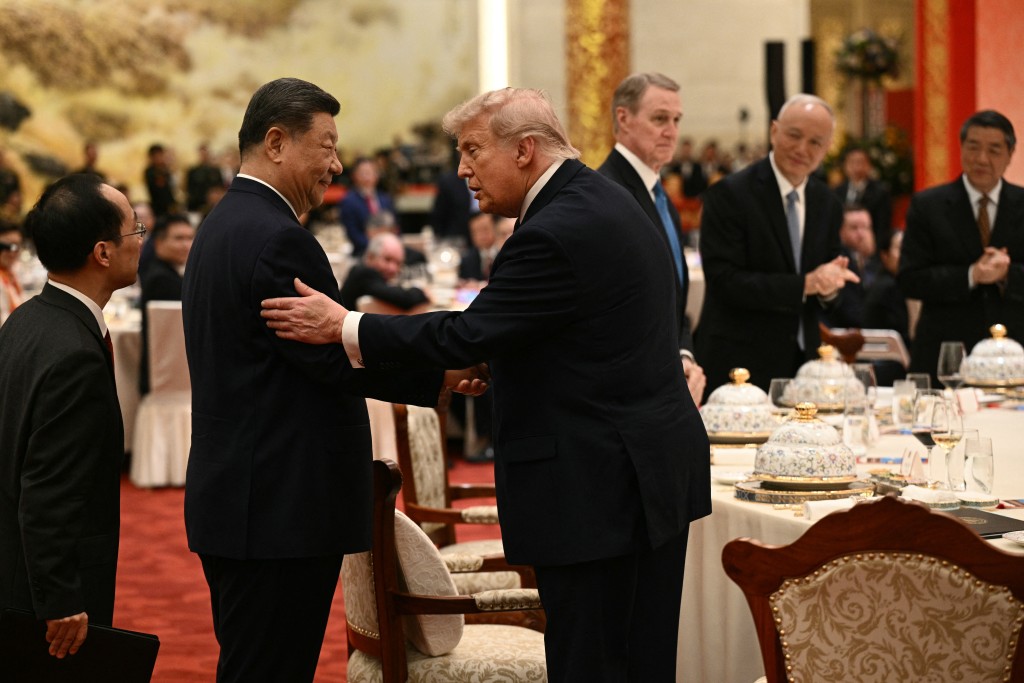
- Lavish state banquet in the Great Hall of the People featuring Beijing beef ribs, roast duck and tiramisu.
- Rare private tour of Zhongnanhai, the secretive Communist Party leadership compound, led by Xi himself.

BBC called it a “whirlwind tour” heavy on optics, while CNN noted the positive vibes between the two leaders despite underlying tensions.
What Was Discussed: Trade, Taiwan, Iran, Oil, Tech and More
The two-day summit (primarily May 14-15) covered a wide agenda. Trump and Xi held multiple rounds of talks, including private meetings and a garden stroll at Zhongnanhai.
1. Trade and Economic Cooperation Trump pushed for better market access and reduced tariffs. He announced “fantastic trade deals” including:
- China resuming U.S. beef imports from 17 states (a boost for American farmers amid high domestic prices).
- Commitments to buy billions in U.S. agricultural products like soybeans.
- A major Boeing order for up to 200 aircraft—the largest ever, according to Trump.
- Formation of a new U.S.-China Board of Trade and Investment.
- Approvals for Nvidia H200 AI chips sales to select Chinese firms (e.g., Alibaba).
Reuters and CNBC reported thin details on implementation, noting past pledges often went unfulfilled.
2. Taiwan Unexpectedly dominant topic. Trump indicated he made “no commitment either way” on a delayed $14 billion arms sale to Taiwan and was rethinking elements of U.S. policy at Xi’s urging. Xi emphasized “peaceful reunification.” No firm resolution emerged.
3. Iran, Oil and the Strait of Hormuz Amid the ongoing U.S.-Israel war with Iran disrupting global oil, Trump sought Chinese help to reopen the Strait of Hormuz and curb weapons supplies to Iran. China expressed opposition to closure but offered no concrete commitments or mediation breakthroughs.
4. Technology, AI and Other Issues Discussions touched on AI guardrails (agreement to keep talking) and broader tech cooperation. Trump also raised the case of Hong Kong publisher Jimmy Lai without reported progress.
Xi and Trump agreed on a new bilateral framework described as “constructive strategic stability” or a “new vision” for the relationship.
Outcomes of Trump China Visit 2026: Modest Wins or Missed Opportunities?
Trump called the summit a “monumental event” and “very successful,” claiming it settled “a lot of different problems” and improved ties dramatically. Xi described it as “historic and landmark.”
Key Results:
- Stabilized relationship for now—no escalation in trade war.
- Specific business pledges (Boeing, agriculture, beef, chips).
- Xi invited to White House in September 2026; Trump may attend APEC in China later.
- No major breakthroughs on Taiwan arms sales, Iran conflict or deep tariff cuts.
- Analysts from CFR, Politico and The Guardian noted “big promises, thin results” and “pageantry over policy.”
CNN summarized: “Short on deliverables but signs of a stabilized relationship.” BBC questioned how successful it truly was, citing few emerged details.
NPR and NYT highlighted modest, manageable outcomes that preserve status quo without resolving core frictions.
Global Media Reactions from Top News Channels
- CNN: Emphasized optics and Trump’s flattery of Xi; noted no resolution on thorny issues.
- BBC: Focused on trade claims vs. lack of details; called it a “high-stakes summit.”
- Reuters: “Pageantry over policy”—few concrete outcomes confirmed.
- NYT: Highlighted Xi’s strategic positioning and Trump’s return with questions on inflation and Iran.
- CNBC and The Guardian: Trade, oil and Taiwan dominated; Trump left “empty-handed” on major asks.
Critics in the U.S. (e.g., MSNBC) called it a “flop,” while Chinese state media celebrated the “great rejuvenation” alignment with “Make America Great Again.”
What This Means for U.S.-China Relations and Future Outlook
The Trump China visit 2026 achieved short-term stability and some economic wins for U.S. exporters (Boeing, farmers, energy). However, it fell short of resolving structural rivalries. Experts view it as a pragmatic pause rather than a reset.
Expect follow-ups: Xi’s September White House visit and ongoing talks on tariffs, tech and Taiwan. For now, the world watches whether these “fantastic deals” materialize or join the list of unfulfilled summit promises.
Stay tuned for updates on Trump Xi summit outcomes as more details emerge from official statements.