







Tiny Houses in 2026: The Ultimate Guide to Minimalist and Sustainable Living
In today’s fast-paced world, more people are choosing simplicity over excess. Tiny home compact homes usually under 400 square feet have become a global phenomenon. With the tiny homes market projected to grow from USD 6.39 billion in 2026 at a steady 6.3% annual rate, this lifestyle is no longer just a trend; it is a practical movement toward affordability, freedom, and sustainability. Whether you dream of downsizing or living off-grid, this guide covers everything you need to know.
Furthermore, tiny house living aligns perfectly with rising concerns about housing costs, climate change, and mental well-being. Additionally, 73% of Americans now say they would consider living in a tiny home, citing affordability and minimalism as top reasons. But is it right for everyone? Let’s explore.
What Exactly Is a Tiny Home?

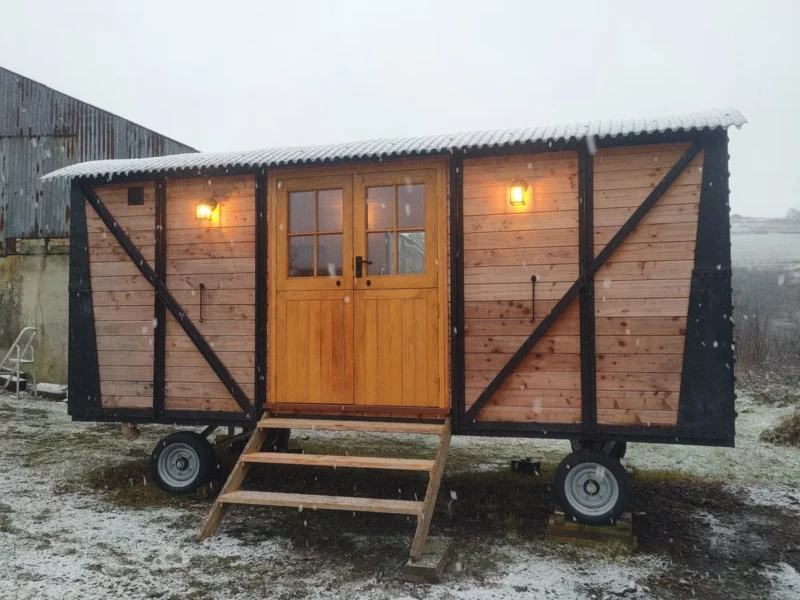
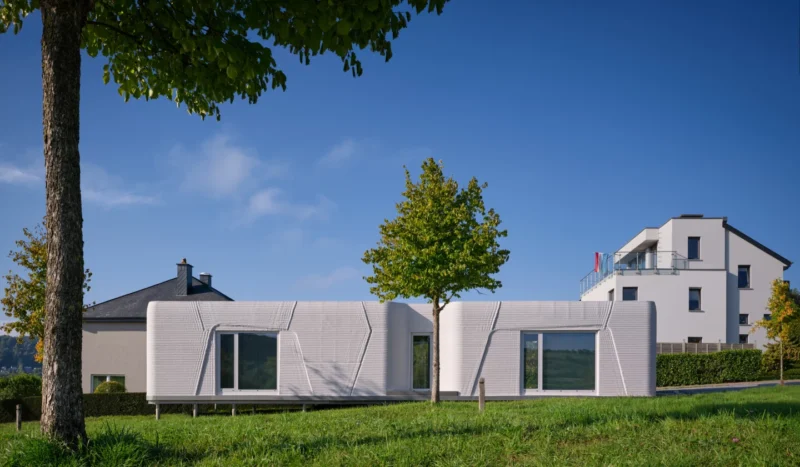
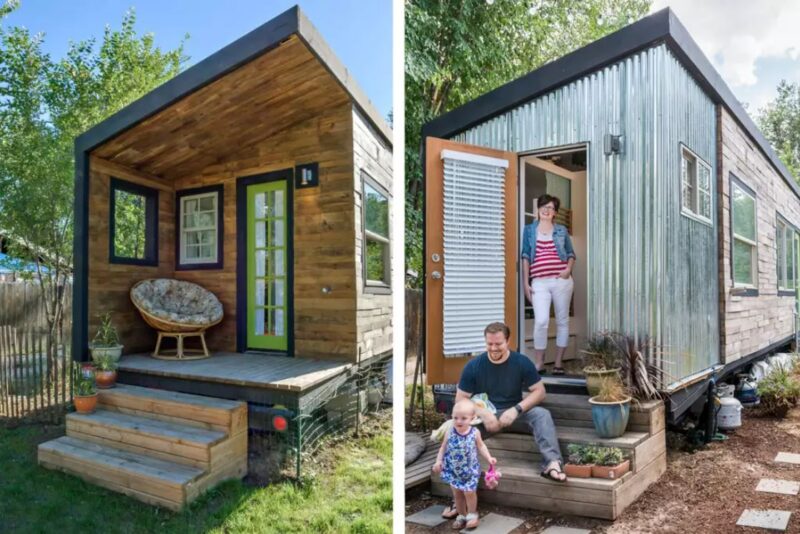
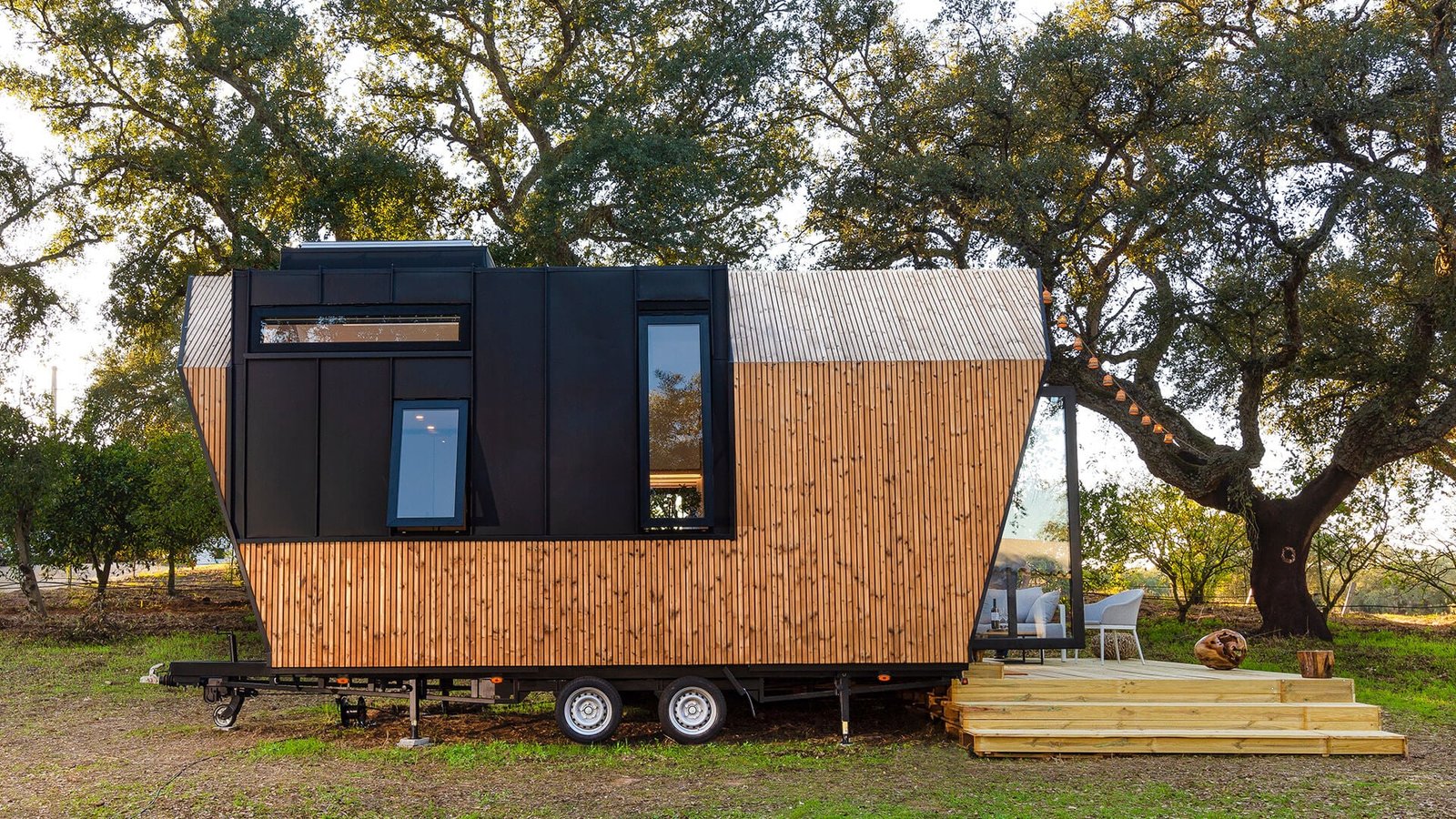
A tiny house is a small, efficient dwelling designed to maximize every square inch. These homes can be built on wheels (tiny houses on wheels or THOWs) for mobility or on a permanent foundation. Modern designs in 2026 feature smart storage solutions, multi-functional furniture, and high-end finishes that make small spaces feel luxurious.
Moreover, tiny houses go far beyond basic shelters. They incorporate cutting-edge technology such as advanced water purification systems and energy-efficient smart distribution, making them ideal for eco-conscious individuals.
Tiny Home Trends Shaping 2026
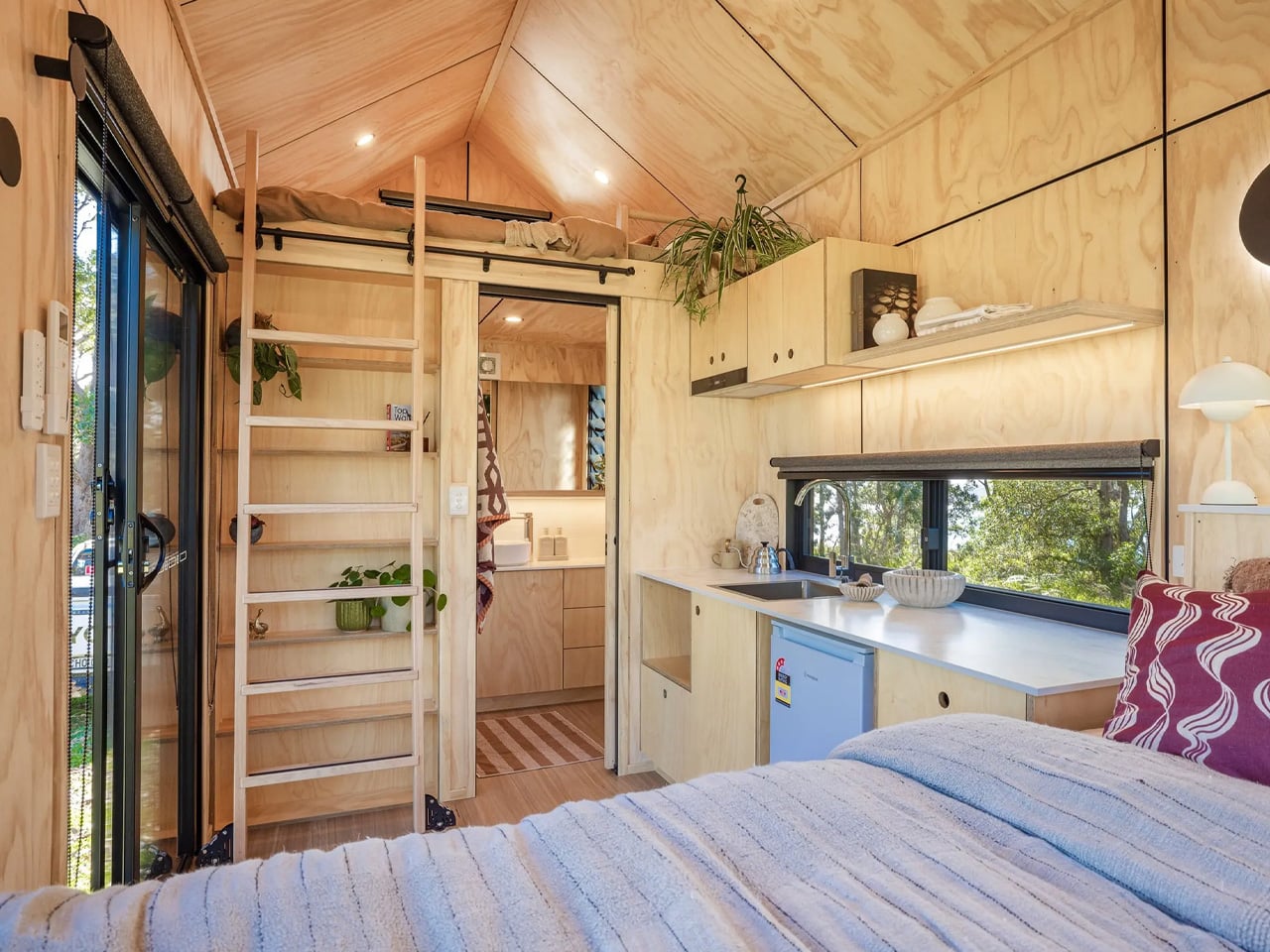
The tiny house movement continues to evolve rapidly. In 2026, we see a strong shift toward high-end luxury tiny homes, personalized interiors, and eco-friendly materials. Smart space-saving designs and cozy modern aesthetics dominate the market, proving that small homes can deliver big lifestyle changes.
Furthermore, sustainability remains at the heart of the movement. Tiny homeowners typically consume over 54% less than the average person, drastically reducing their carbon footprint and monthly utility bills.
Pros of Tiny Home Living

Transitioning to a tiny house offers numerous advantages. First and foremost, it is significantly more affordable than traditional housing. Construction or purchase costs are much lower, and ongoing expenses drop dramatically.
In addition, tiny homes promote a minimalist lifestyle that reduces stress and clutter. Because space is limited, owners naturally consume less and focus more on experiences than possessions. Moreover, the mobility of wheeled tiny houses gives you the freedom to travel or relocate without selling property.
Additionally, the environmental benefits are substantial. Smaller homes require fewer resources to build and maintain, leading to lower energy consumption and a greener footprint. Many owners also enjoy lower monthly utility bills thanks to efficient heating, cooling, and lighting systems.
For real-world data on these benefits, see the latest tiny house statistics and trends report.
Cons of Tiny Home Living

However, tiny house living is not without challenges. On the other hand, the most obvious drawback is limited space. Privacy can become an issue, especially for couples or families, and hosting guests often proves difficult.
Furthermore, storage is minimal, requiring ruthless decluttering and creative organization. Some homeowners report that the lifestyle shift affects relationships and social life, as entertaining or simply having personal space feels restricted.
Another important consideration involves legal and zoning hurdles. Not every location permits tiny homes, and building codes can be strict. Nevertheless, careful planning helps overcome these obstacles.
How to Get Started with Tiny Home Living

Getting started may seem overwhelming, but it doesn’t have to be. Begin by defining your needs: Do you want a mobile tiny house on wheels or a foundation-built home? Next, research floor plans that suit your lifestyle.
In addition, budget realistically. While tiny homes cost far less than traditional houses, quality builds still require investment. Many enthusiasts start by visiting model homes or joining online communities for advice.
Moreover, explore reputable resources such as the top tiny house websites in 2026 for listings, plans, and inspiration.
For design ideas, browse our collection of tiny house floor plans and layouts.
Legal Considerations and Zoning Laws

One of the biggest hurdles remains legality. Zoning laws, building codes, and HOA rules vary widely by location. Therefore, always check local regulations before purchasing land or starting construction.
Fortunately, many regions are updating policies to accommodate tiny homes. A practical step-by-step guide to navigating these rules is available here: The 8 Steps to Living Tiny Legally.
Furthermore, consider tiny house villages or communities that already comply with regulations, which can simplify the process considerably.
Conclusion: Is a Tiny Home Right for You?

In conclusion, tiny house living offers an exciting path to financial freedom, environmental responsibility, and a simpler life. While challenges exist, the rewards lower costs, mobility, and mindfulness make it an appealing choice for many in 2026 and beyond.
Ultimately, the decision depends on your priorities and lifestyle. If you value experiences over square footage and seek a more sustainable future, a tiny house might be the perfect next step.
Ready to downsize? Start exploring options today and join the growing community of happy tiny homeowners. For more inspiration, contact us or subscribe to our newsletter for the latest tiny house updates.