







NASA’s planet-hunting TESS mission just dropped its most complete cosmic map yet—uncovering nearly 6,000 confirmed and candidate exoplanets scattered across the night sky. Discover how TESS is revolutionizing the search for habitable alien worlds and what it means for humanity’s quest to find life beyond Earth.
NASA’s Transiting Exoplanet Survey Satellite (TESS) has delivered its most breathtaking achievement to date: a panoramic all-sky mosaic packed with thousands of potential alien worlds. Released in 2026, this cosmic map highlights nearly 6,000 exoplanets—worlds orbiting distant stars—marking one of the biggest leaps forward in exoplanet discoveries.
Whether you’re searching for “NASA TESS exoplanets,” “thousands of alien worlds,” or the latest on habitable planets, this update from the TESS mission is making headlines. Here’s everything you need to know about these groundbreaking TESS exoplanet discoveries.
Also read:
Earth and Mars Are Cosmic Siblings: New 2026 Study Reveals Shared Inner Solar System Origins
Mars Shortcut 153 Days: Asteroid 2001 CA21 Unlocks Fastest Round-Trip to Mars by 2031
What Is NASA’s TESS Mission and How Does It Hunt Exoplanets?
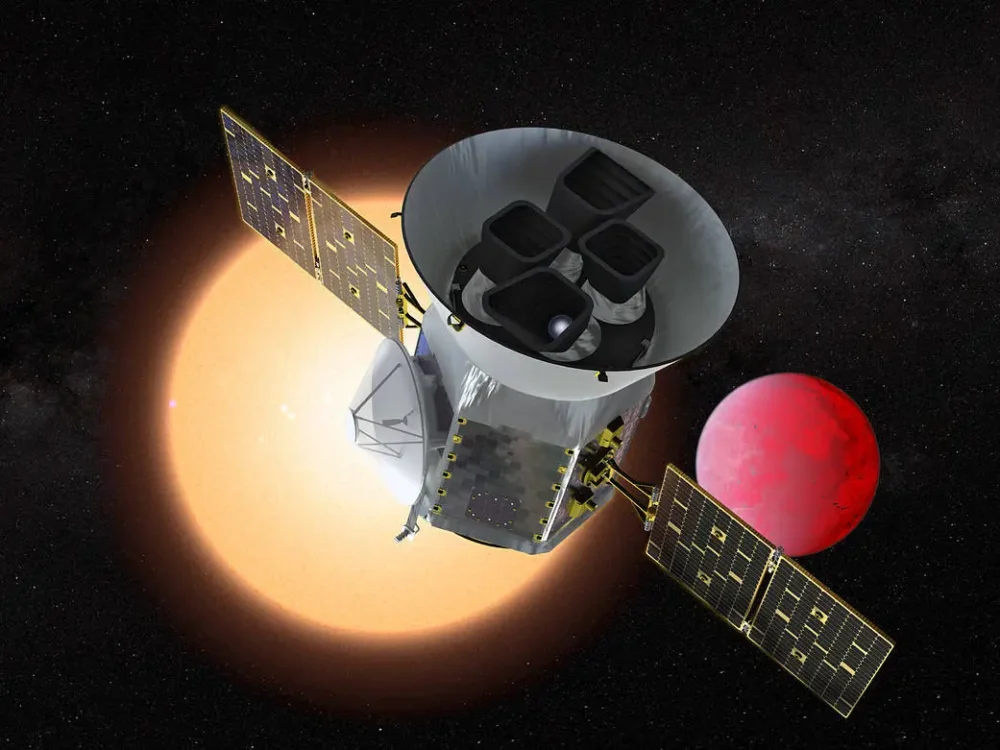
Launched in 2018, NASA’s TESS is a space-based observatory designed to scan the entire sky for exoplanets using the transit method. Its four wide-field cameras monitor millions of stars for tiny dips in brightness—signs that a planet is passing in front of its host star.
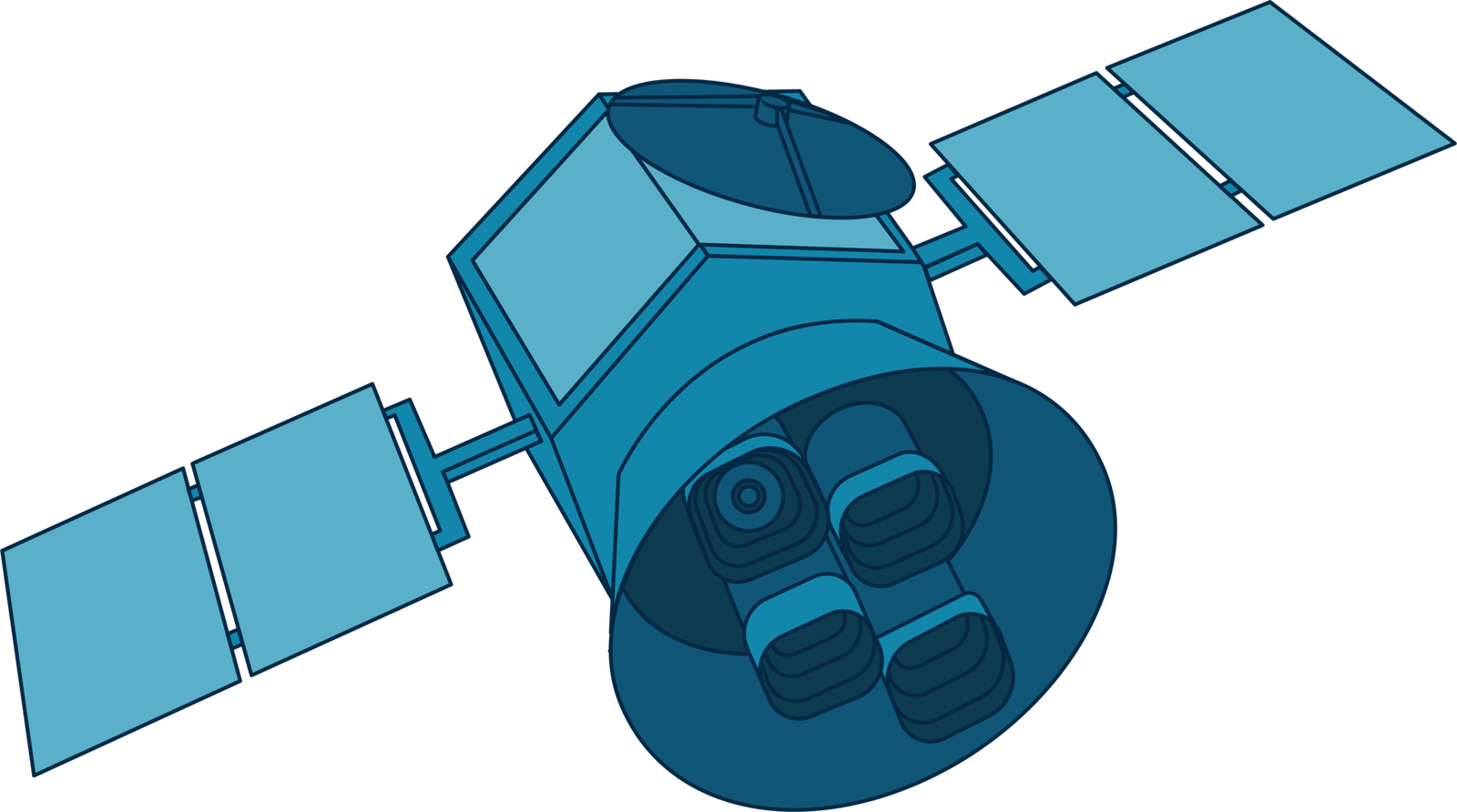
Over seven years (from April 2018 to September 2025), TESS observed 96 sectors of the sky, each for about a month. This systematic sweep has built one of the largest catalogs of distant planetary systems ever created—many of them unlike anything in our solar system.
The Epic TESS All-Sky Mosaic: Nearly 6,000 Exoplanets Mapped
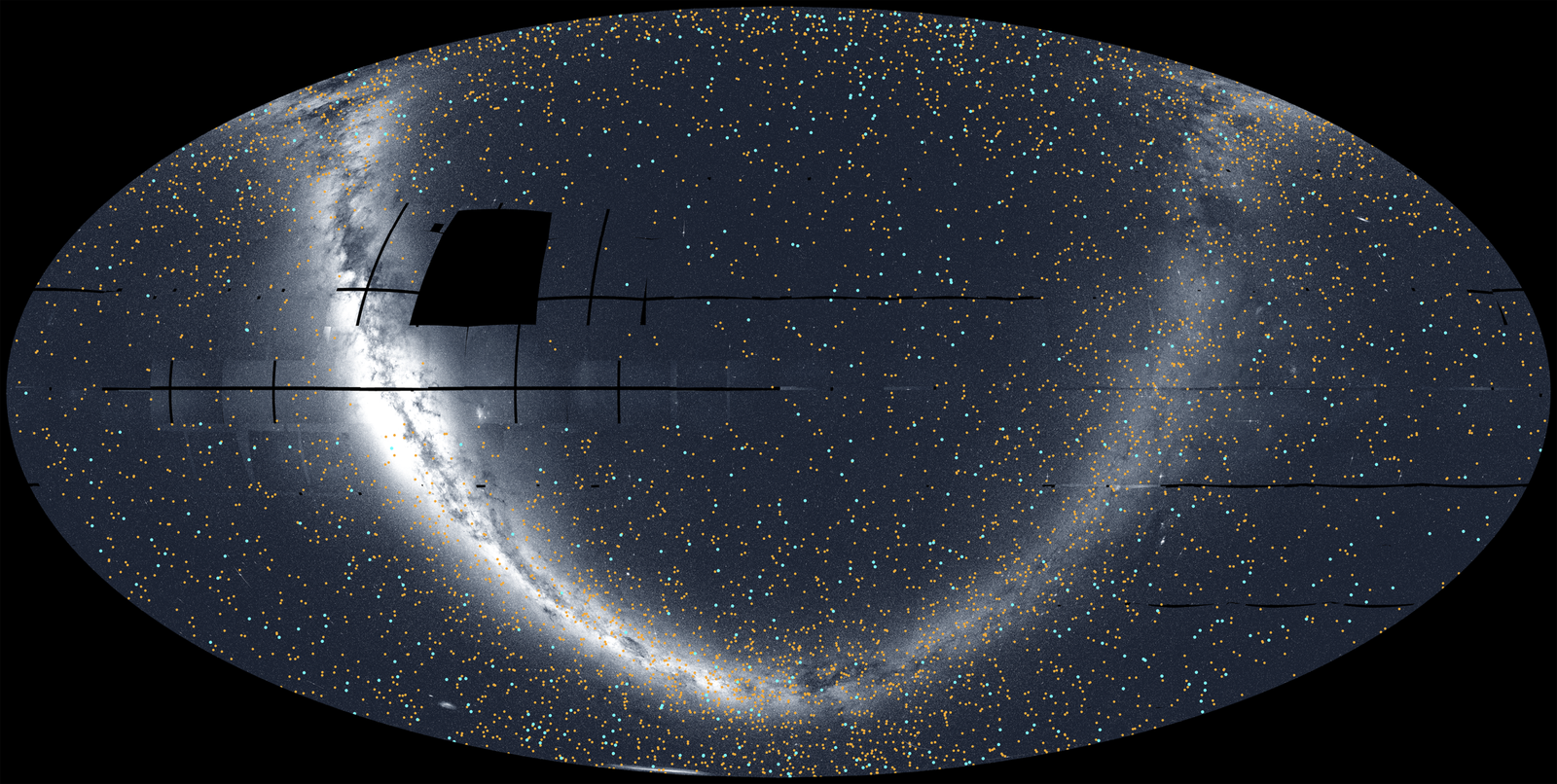
The new 2026 TESS mosaic combines years of data into a single jaw-dropping image of the night sky. Blue dots mark 679 confirmed exoplanets, while orange dots highlight 5,165 candidate worlds still awaiting final verification. Together, they paint a sky teeming with potential alien worlds.
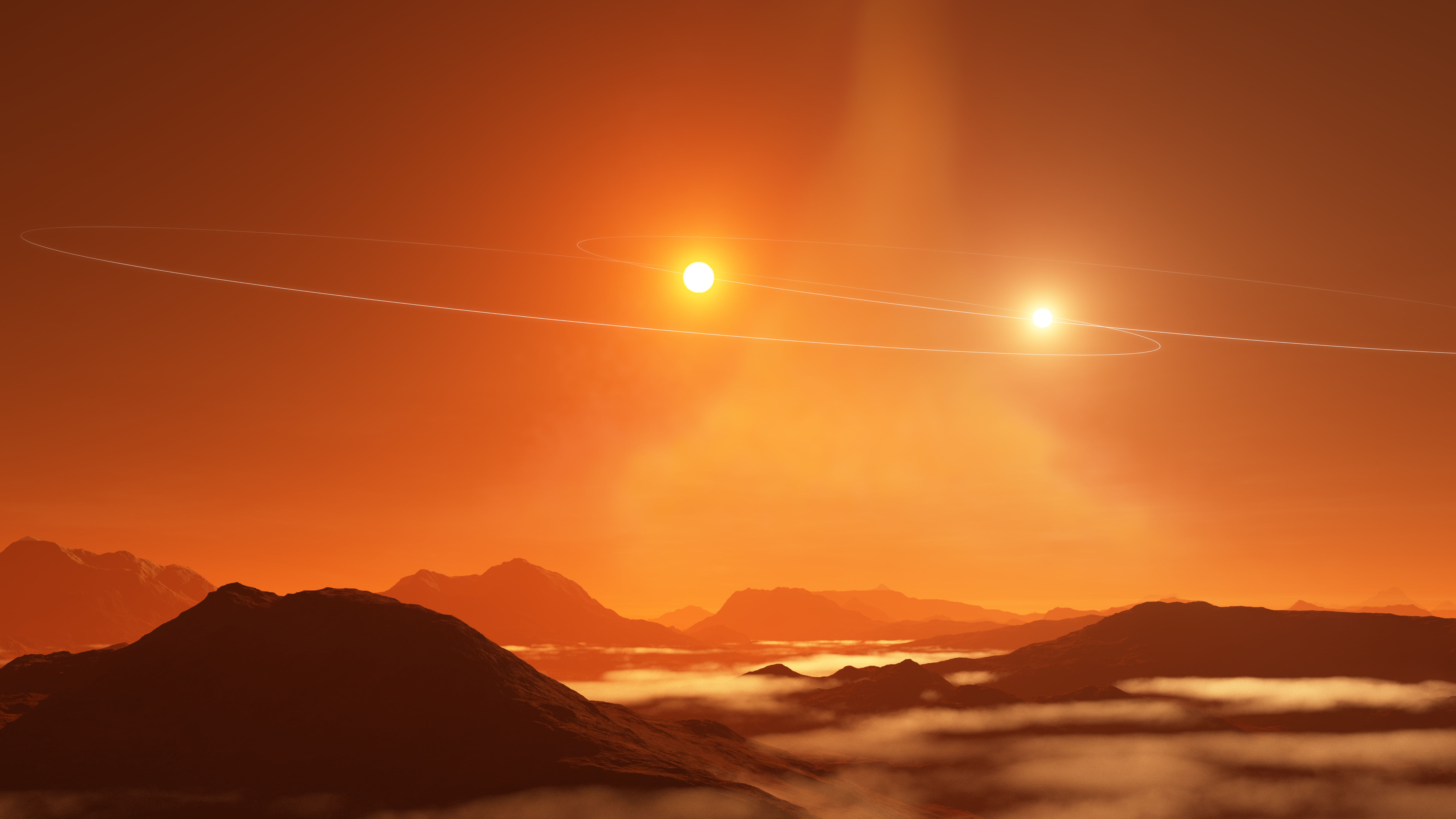
The glowing band across the center is our Milky Way galaxy, with the Large and Small Magellanic Clouds visible as bright patches. This isn’t just a pretty picture—it’s a treasure map for astronomers hunting for Earth-like planets.
Mind-Blowing Types of Exoplanets Discovered by TESS
TESS has found an incredible variety of worlds, including:
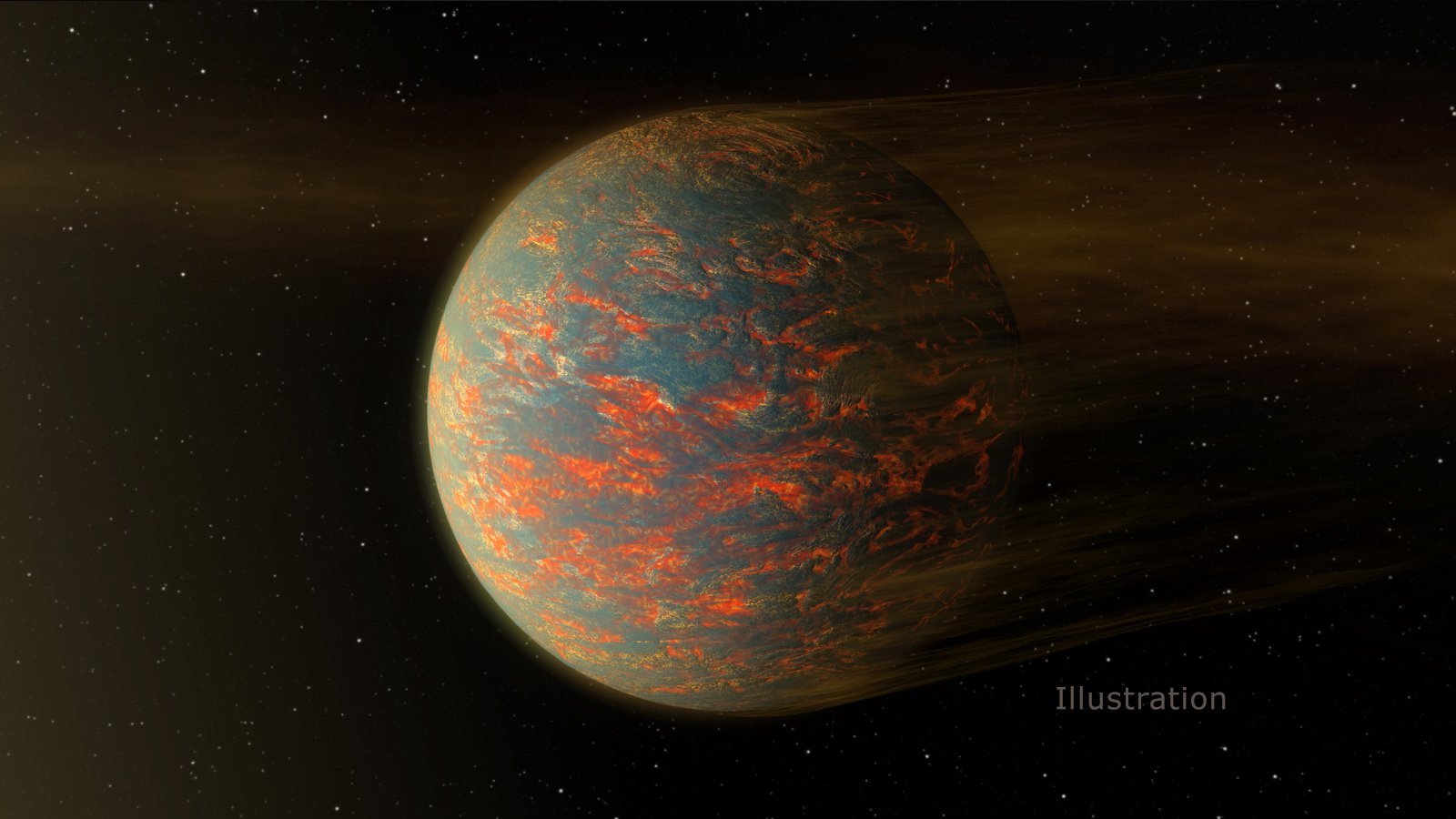
- Volcanic lava planets covered in molten rock
- Jupiter-sized gas giants
- Extreme worlds being torn apart by their stars’ gravity and radiation
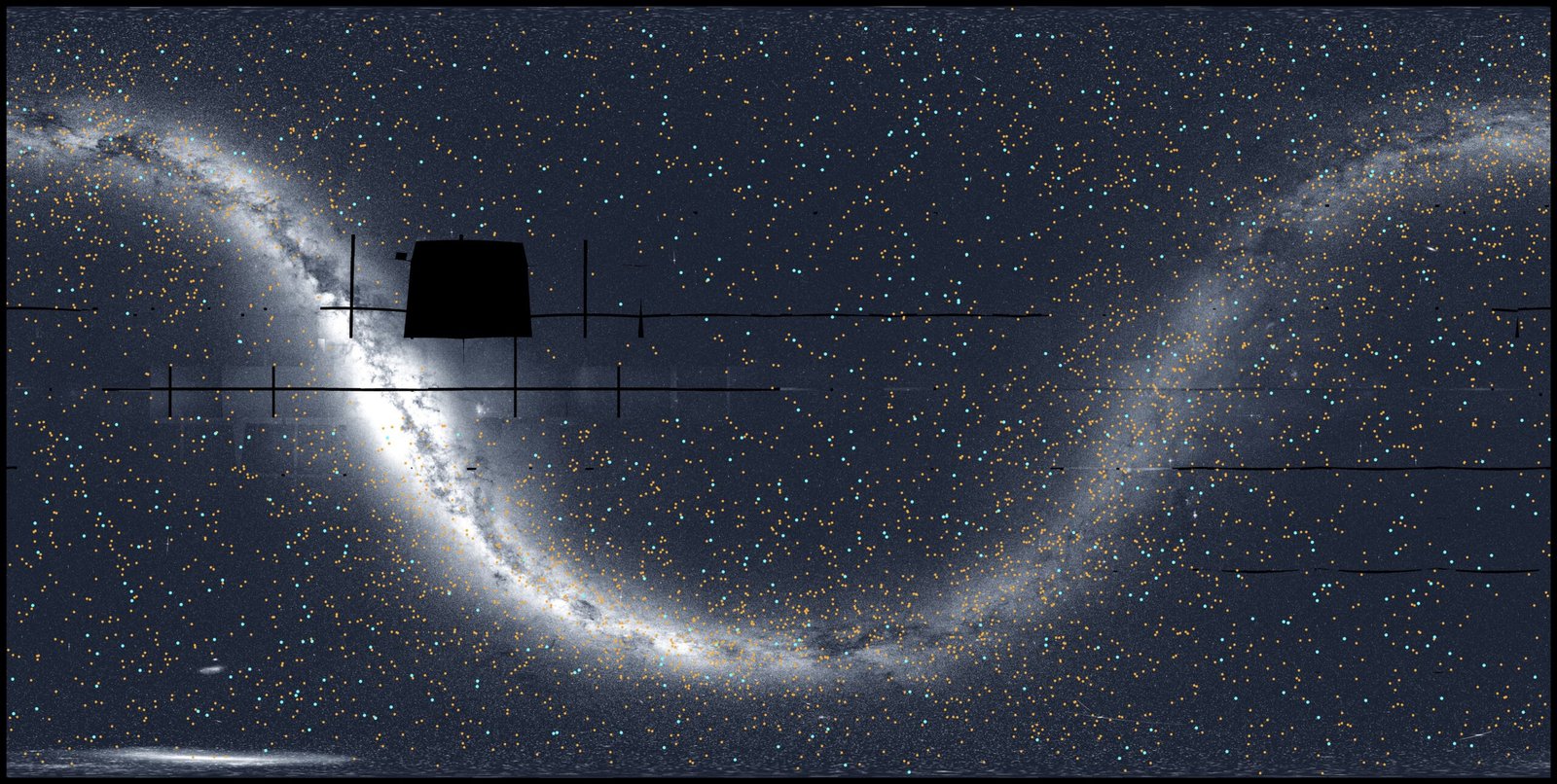
- Planets orbiting binary stars, where skies feature double sunrises and sunsets (think Tatooine from Star Wars)
- Rocky planets in the habitable zone, where liquid water could exist on the surface
These TESS exoplanet discoveries are especially exciting because many orbit nearby stars—perfect for follow-up studies with the James Webb Space Telescope (JWST).
Why TESS Exoplanets Matter for the Search for Alien Life
TESS focuses on stars close to Earth, making it easier for powerful telescopes like JWST to analyze planetary atmospheres for signs of life (biosignatures like oxygen or methane). Some candidates sit squarely in the habitable zone—the “Goldilocks” region where temperatures allow liquid water.
As one NASA scientist put it: “TESS has become a fire hose of exoplanet science.” It’s helping us understand everything from tiny Mercury-like worlds to massive gas giants—and everything in between.
Beyond Exoplanets: TESS’s Broader Cosmic Discoveries
While hunting planets remains its main goal, TESS data has also revealed:
- Stellar eruptions and young star clusters
- Near-Earth asteroids
- Dynamic behavior across the Milky Way
Advanced AI and automated algorithms are now sifting through the massive dataset, uncovering even more hidden surprises.
The Future of TESS Exoplanet Discoveries
With over 6,270 confirmed exoplanets now known (thanks to TESS, Kepler, and ground-based observatories), the number is expected to keep climbing. Earth-sized worlds around nearby stars could soon be prime targets for atmospheric studies—potentially answering the ultimate question: Are we alone in the universe?
The 2026 TESS all-sky mosaic is more than a milestone—it’s a roadmap to thousands of alien worlds waiting to be explored.
Ready to dive deeper into NASA TESS exoplanets? Bookmark this page for the latest updates on habitable planets, binary star systems, and the ongoing search for life beyond Earth. Share your thoughts: Which TESS discovery excites you most—the lava worlds, double-sun planets, or potential ocean worlds?