






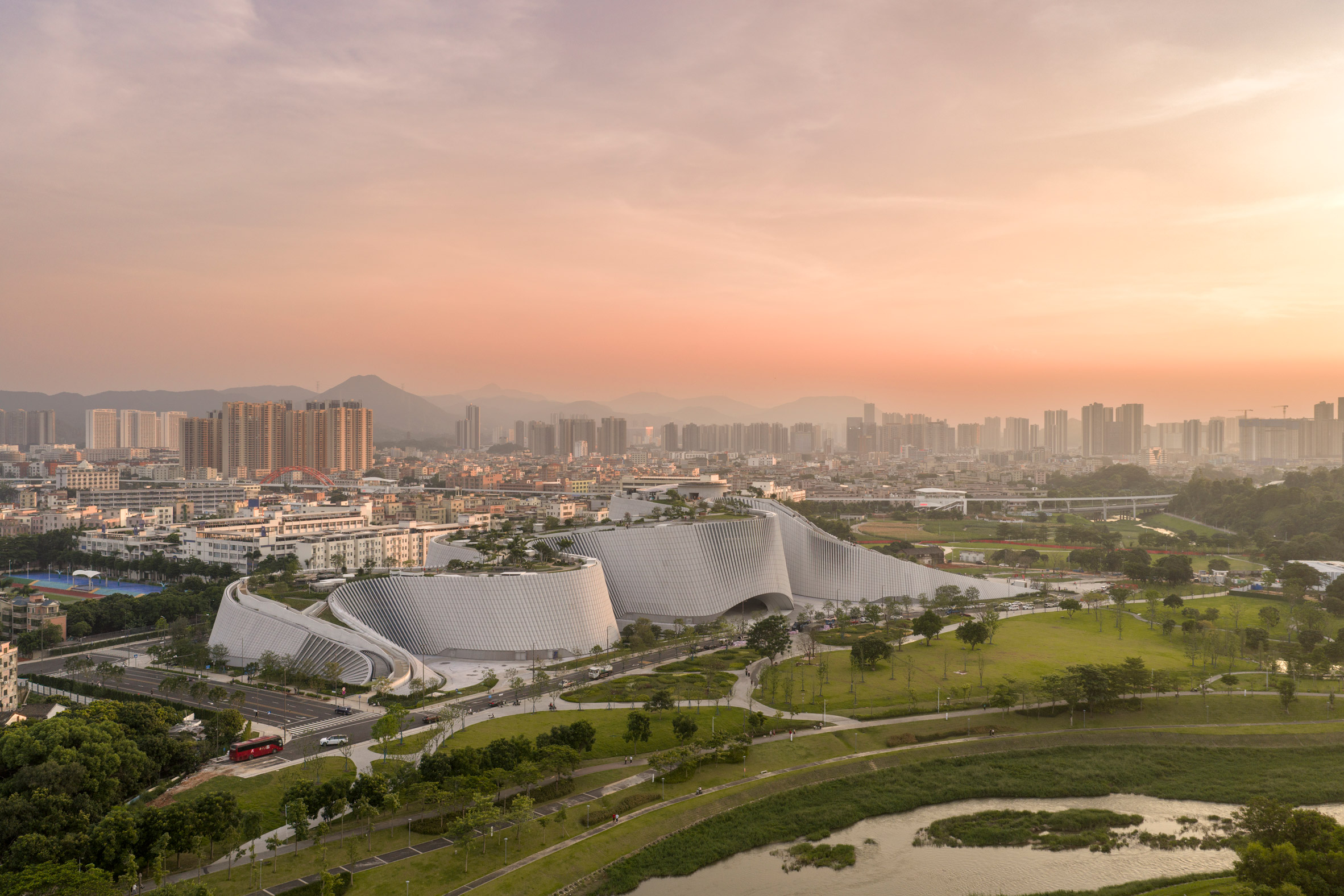
The Shenzhen Natural History Museum has officially opened its doors in Pingshan District, delivering one of the most ambitious and visually striking cultural landmarks in China. Spanning more than 105,000 square meters (1.13 million square feet) beside Yanzi Lake, this world-class natural history museum ranks among the largest of its kind globally and stands as the first major institution dedicated to the natural sciences across southern China — including the Greater Bay Area cities of Shenzhen, Hong Kong, and Guangzhou.
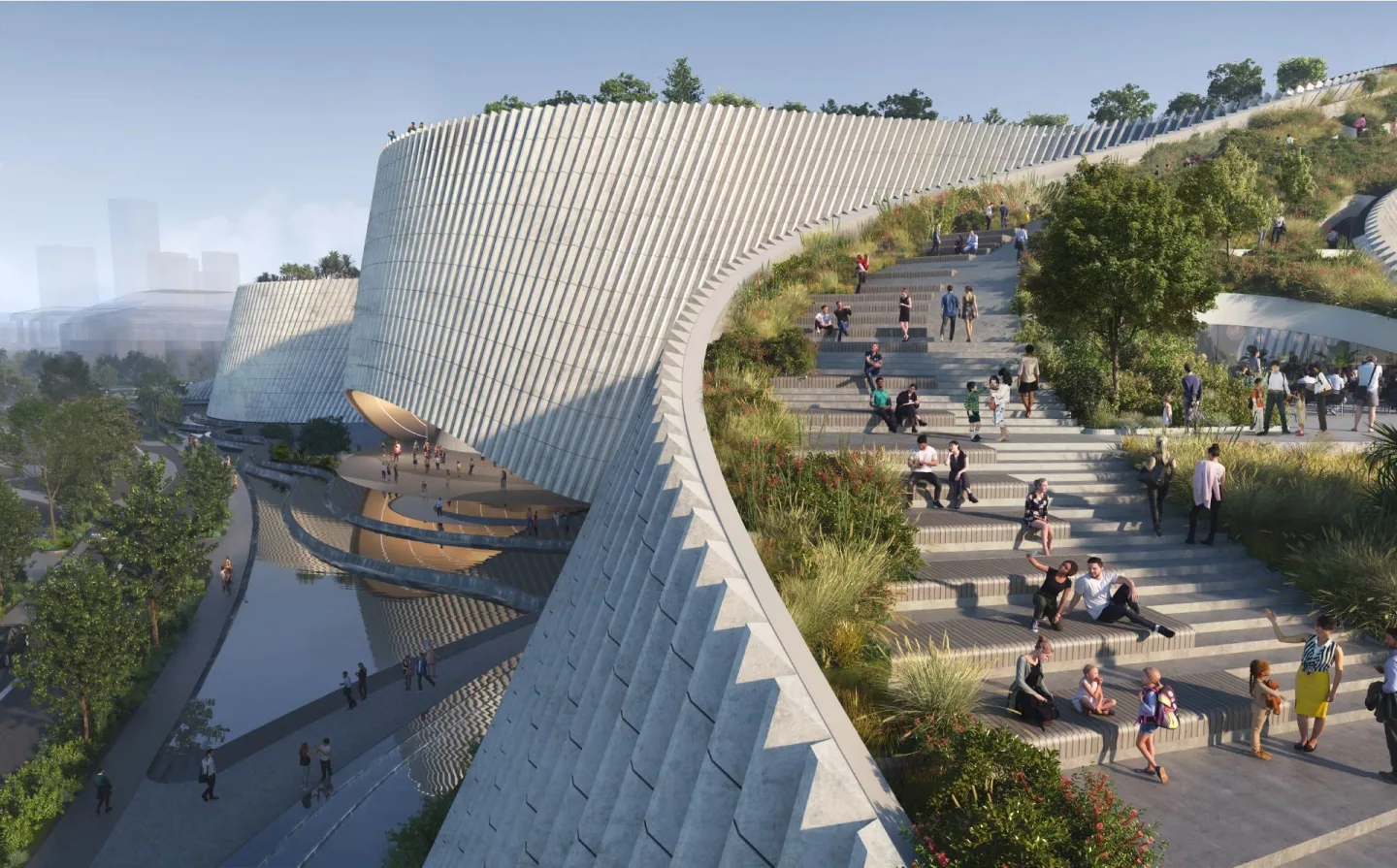
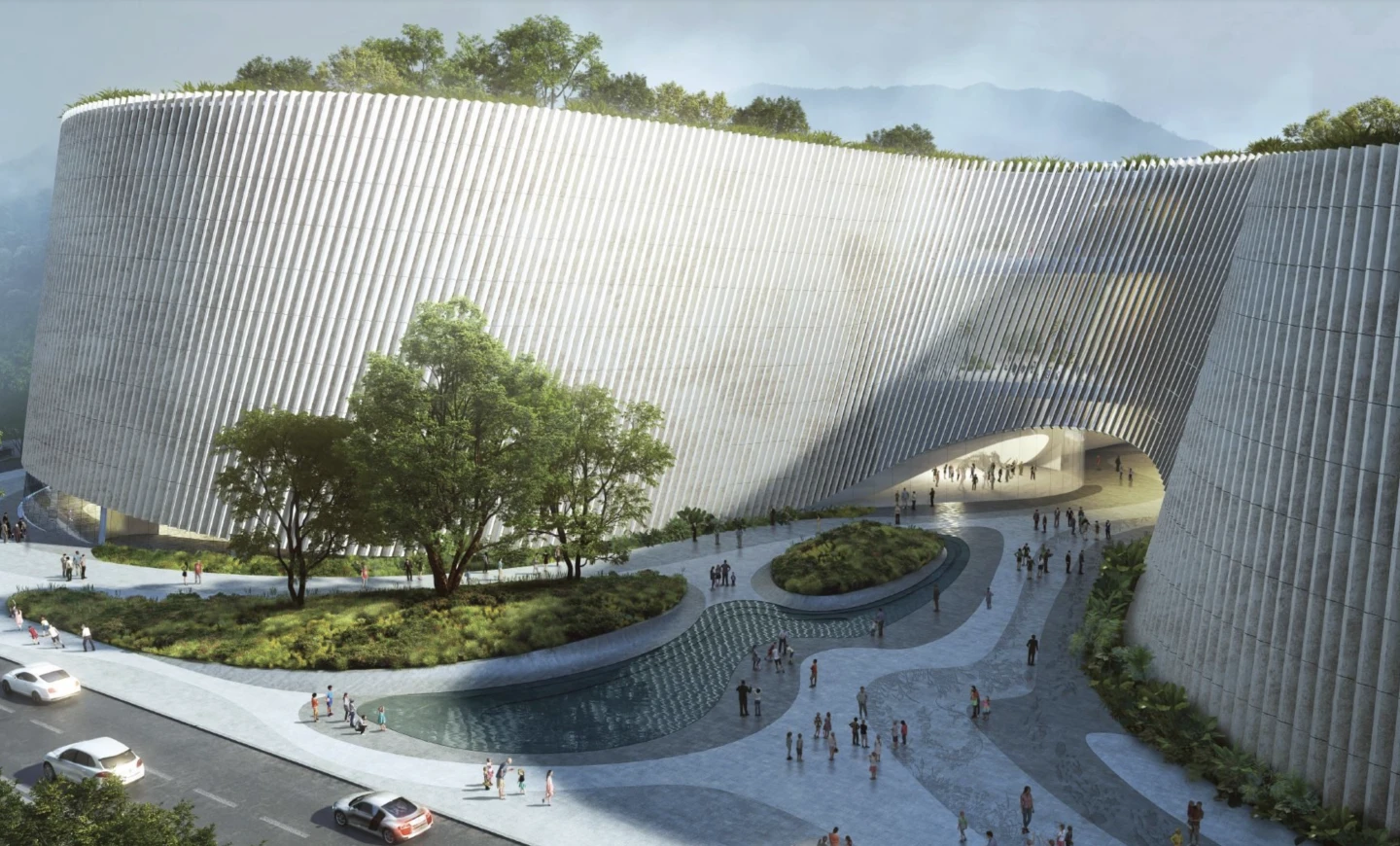
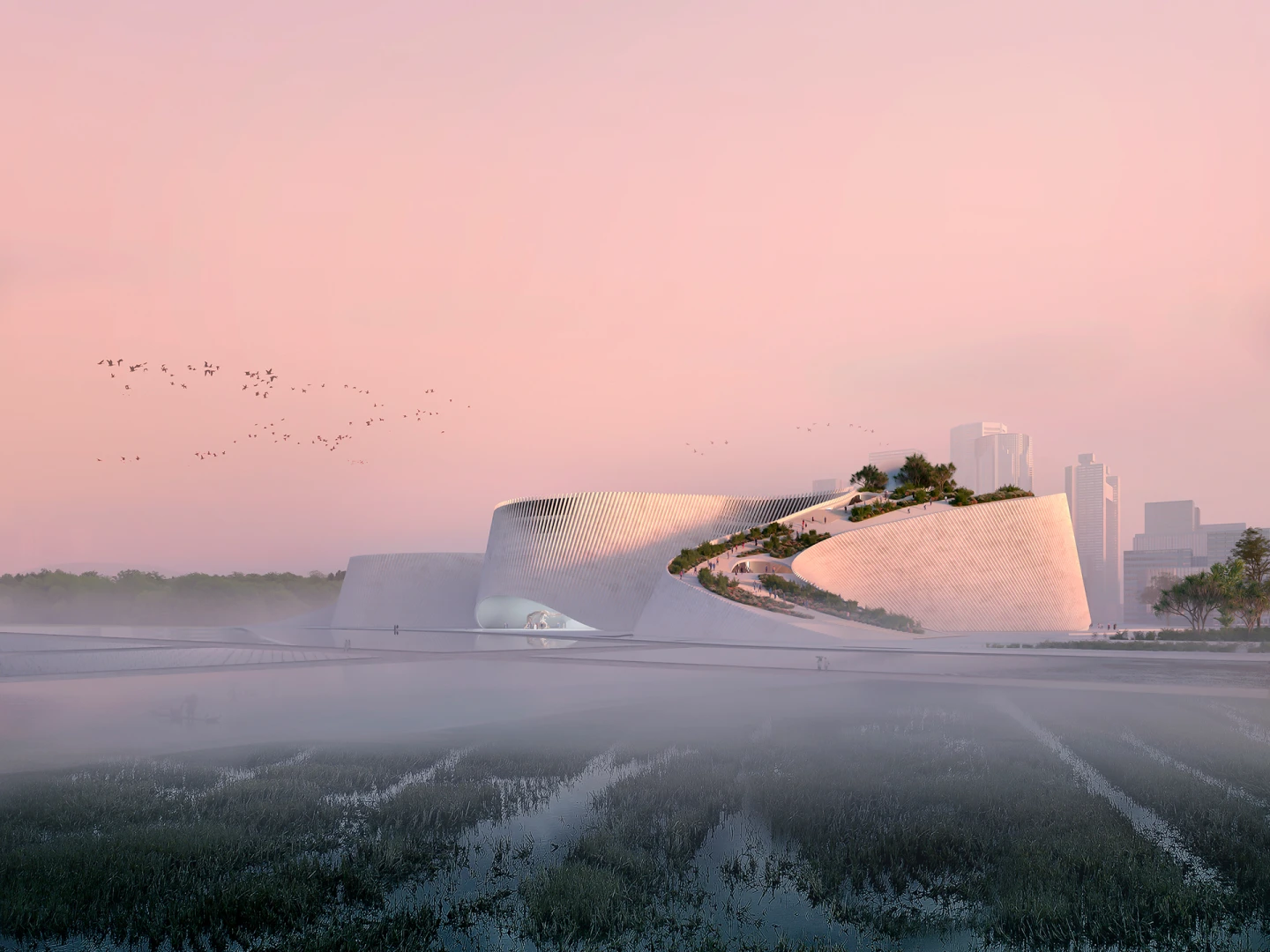
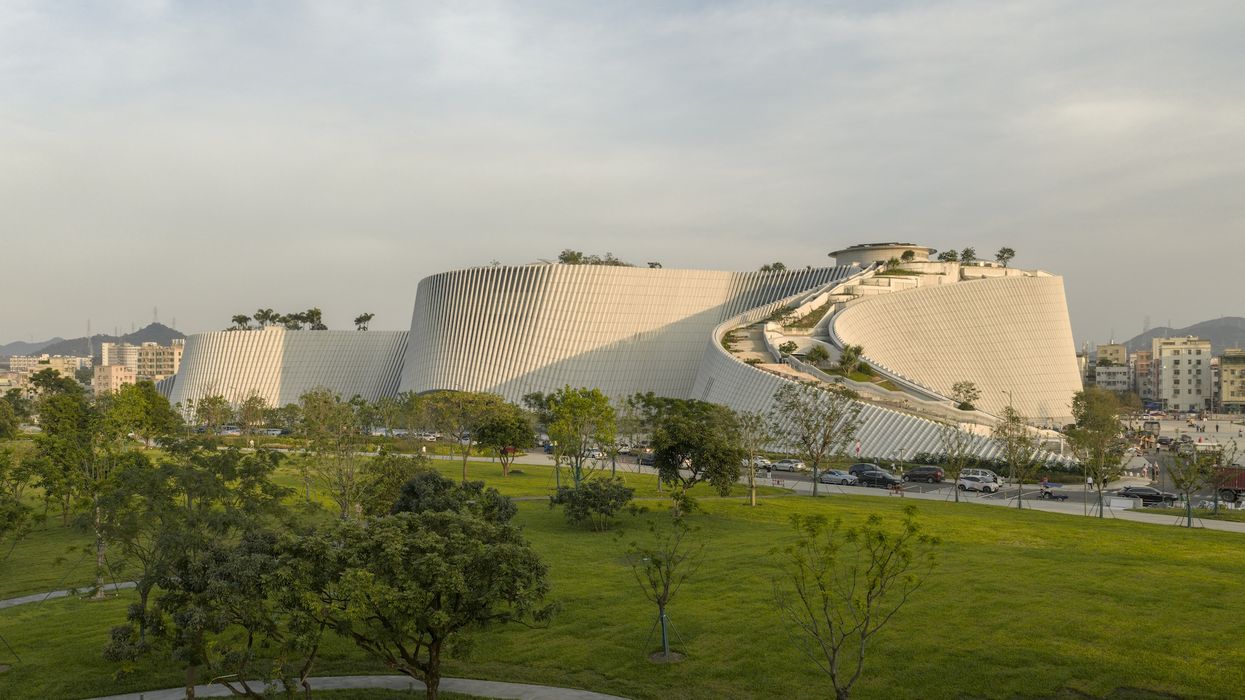
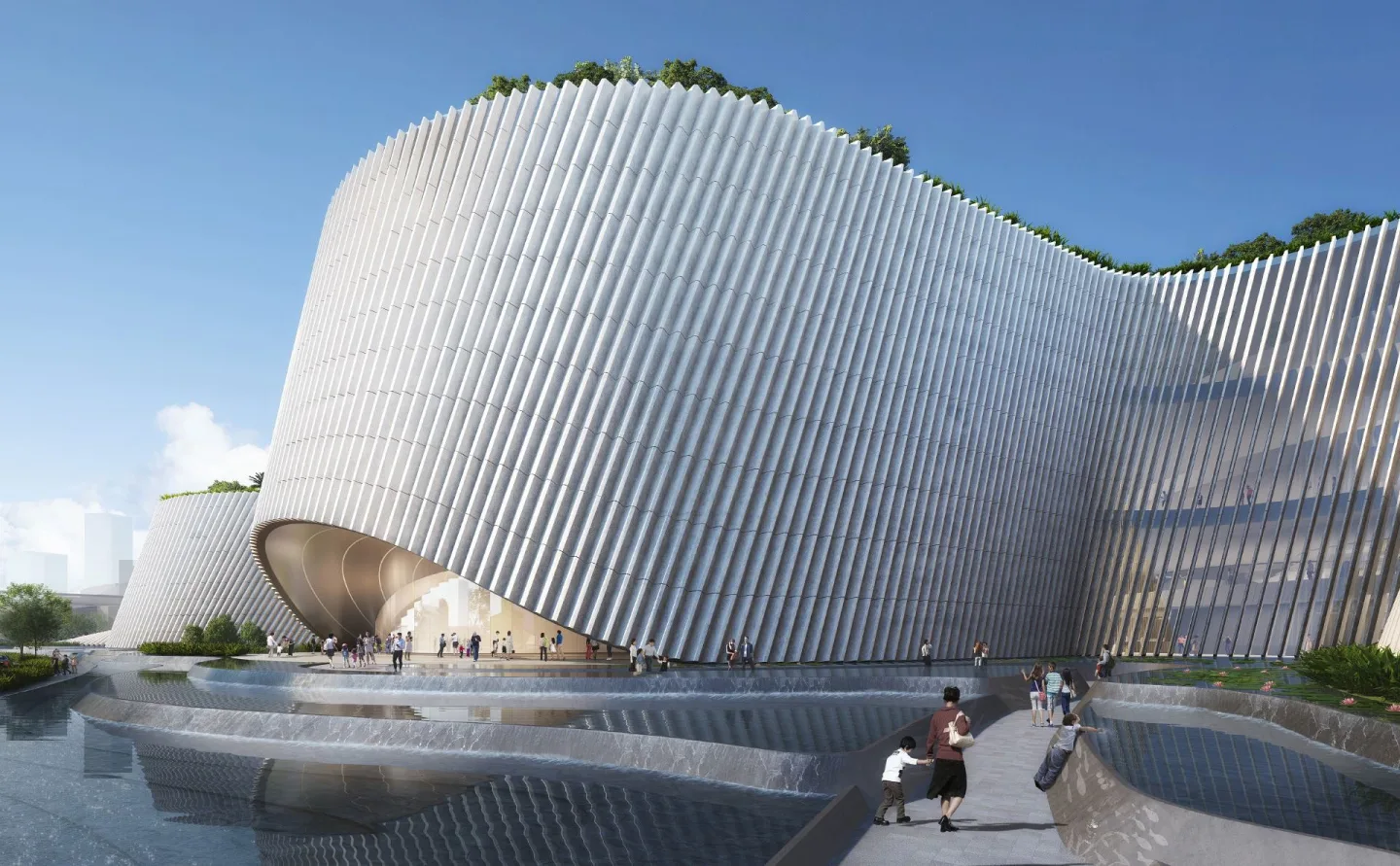
Designed by Danish firm 3XN in collaboration with B+H Architects and Zhubo Design, the building itself is as compelling as the treasures it houses. Inspired by the fluid curves of a river delta and the surrounding wetlands, the structure rises like a sculpted piece of landscape rather than a conventional museum.

A Living Landscape: Architecture That Merges Building and Nature
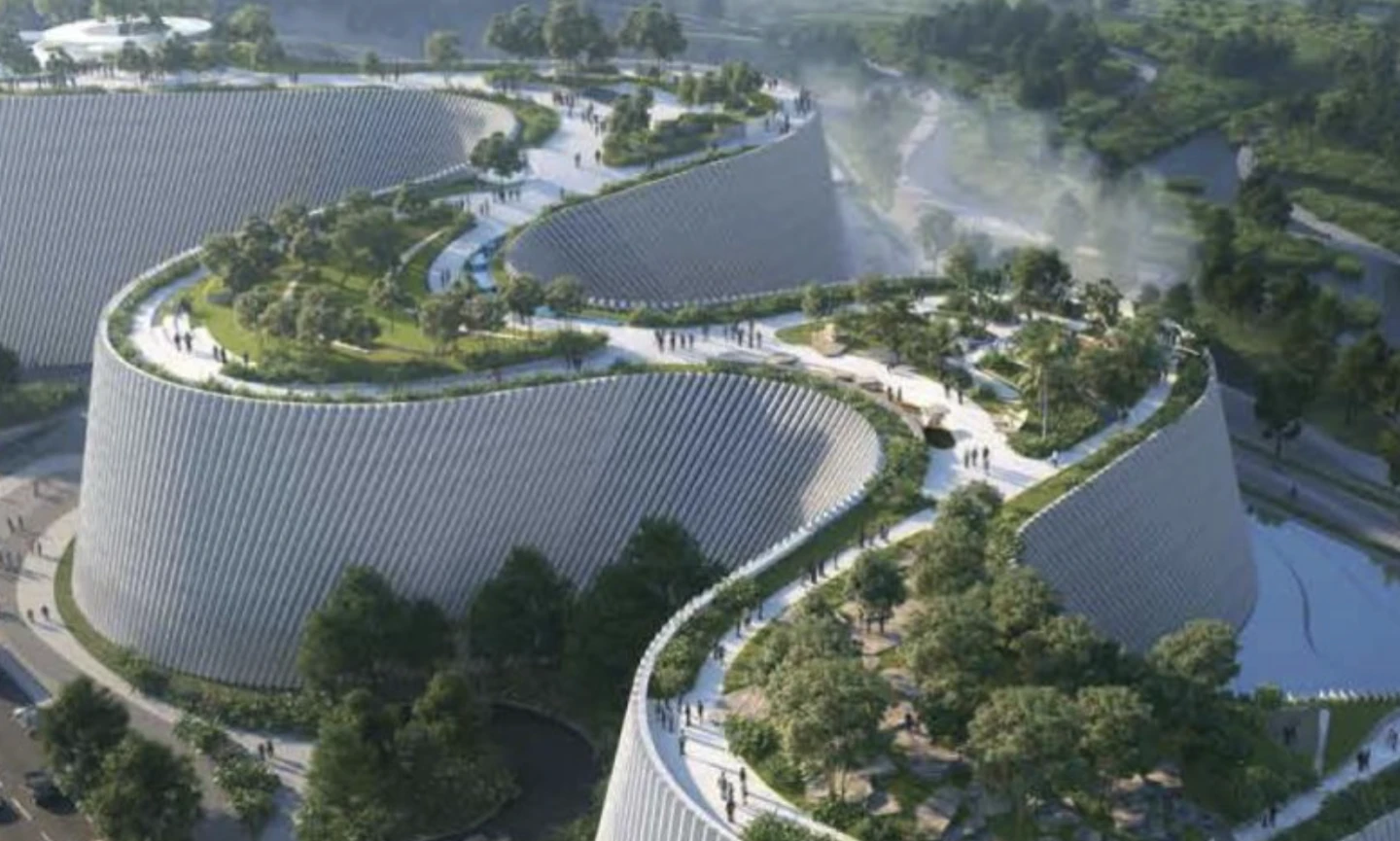
Unlike traditional museums that rise vertically, the Shenzhen Natural History Museum flows horizontally across the site. Its sweeping granite-clad form, dramatic cantilevers, and continuous sloping roof create an organic silhouette that appears to emerge from the earth. Visitors can walk freely across large sections of the green rooftop park — open to the public without an admission fee — enjoying panoramic views of Yanzi Lake, the wetlands, and the distant hills.
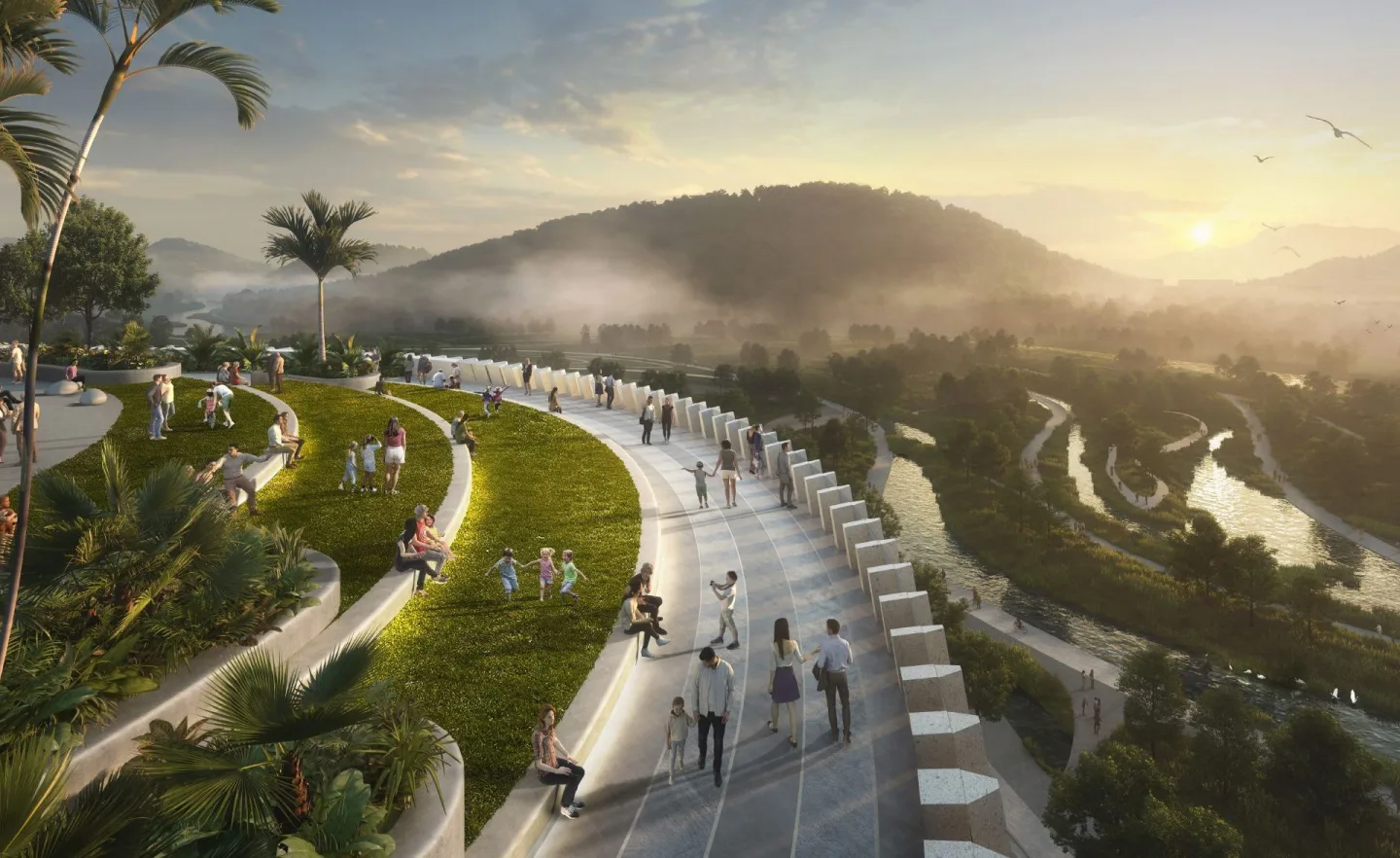
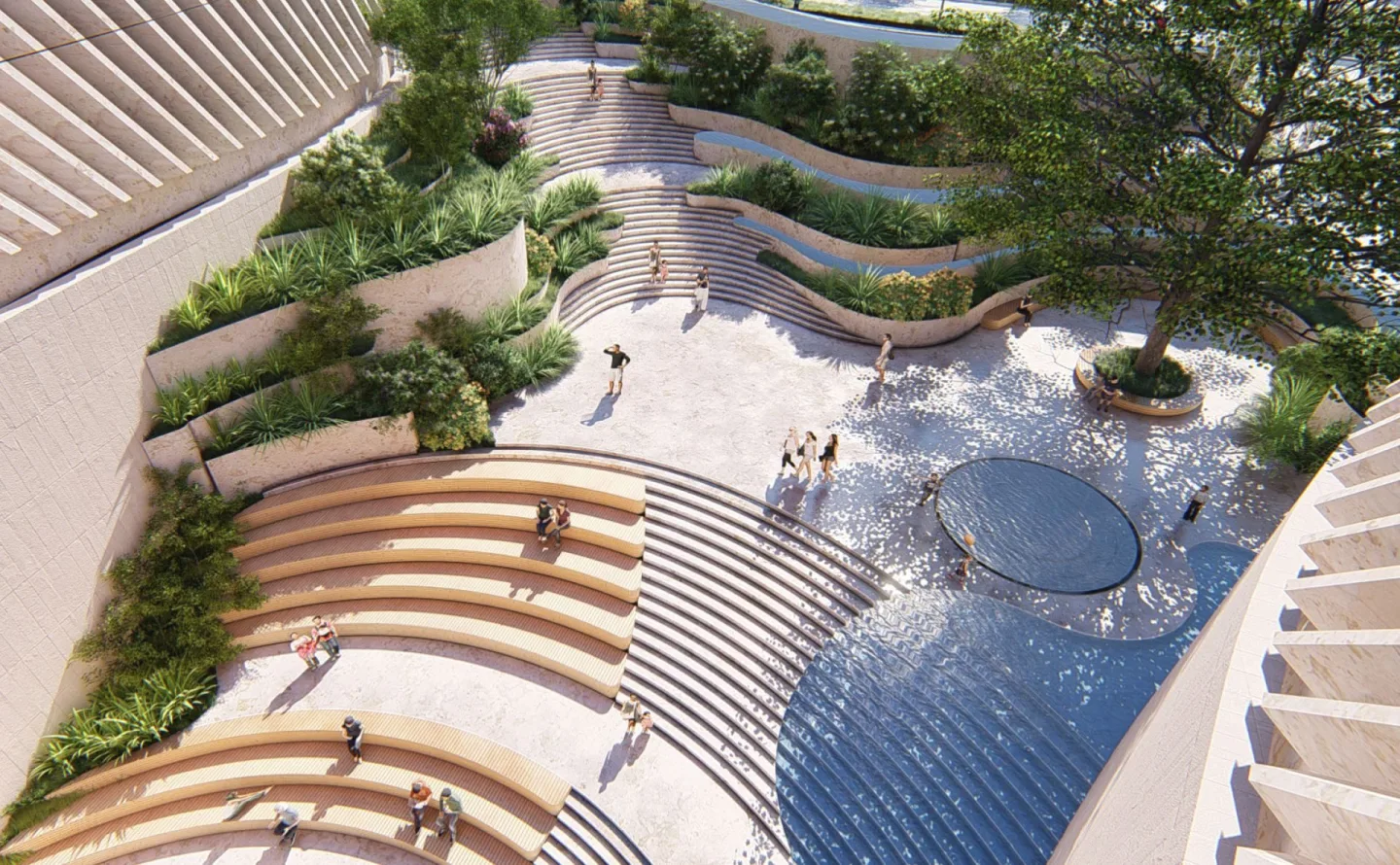
The design philosophy prioritizes community access and everyday use. Pathways, terraces, and an outdoor plaza connect the museum to the surrounding mangrove park and river systems, turning the entire complex into an extension of Shenzhen’s renowned network of more than 1,000 parks. As 3XN founder Kim Herforth Nielsen explained, the ambition was never simply to construct a building, but to create “a piece of landscape that had always been there — shaped by local geology, water and time.”
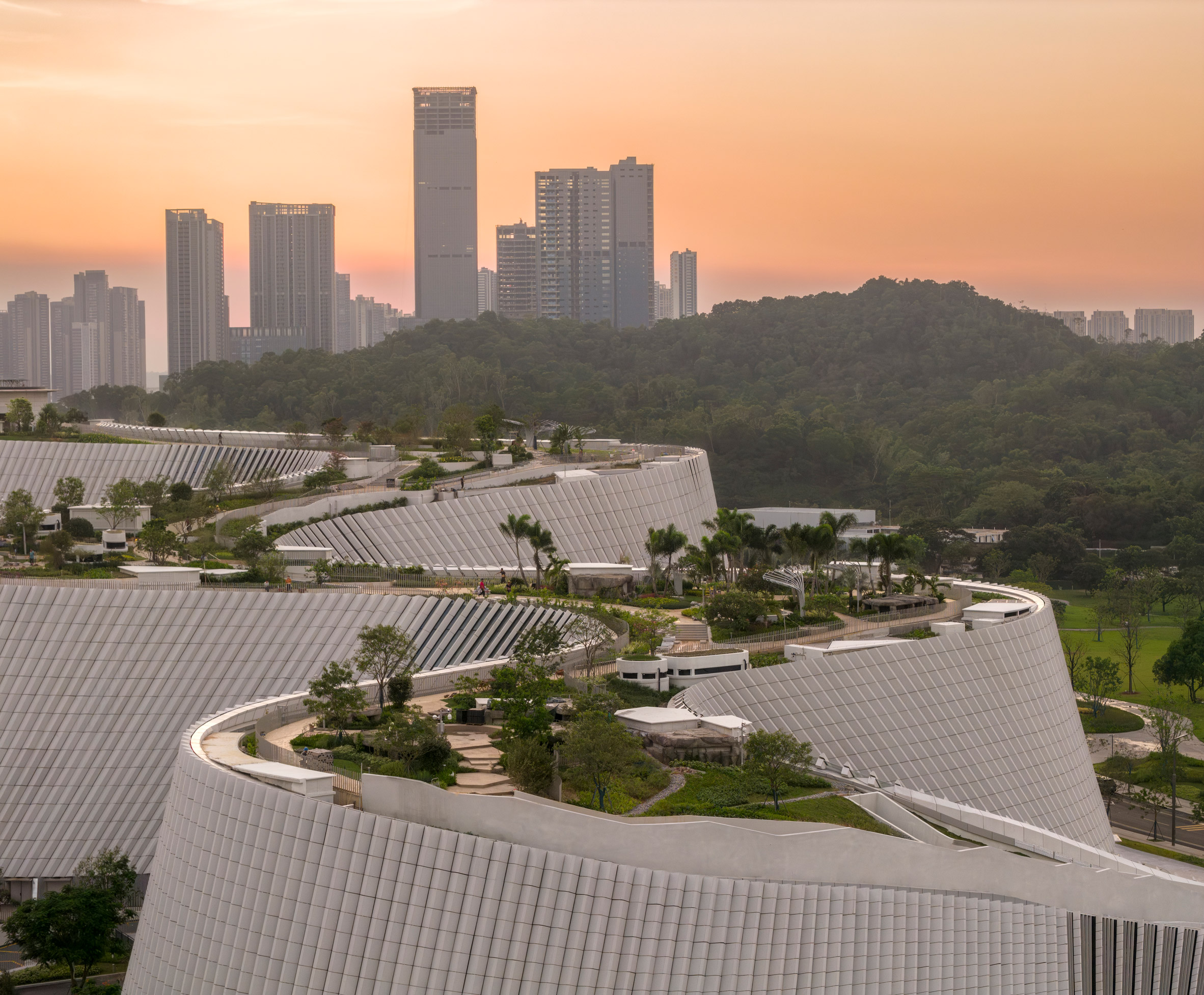
This seamless blend of architecture and nature makes the Shenzhen Natural History Museum a standout example of sustainable museum design and green roof architecture in Asia. The rooftop serves as both a public park and an experiential journey that mirrors the evolutionary timeline explored inside.
Journey Through Time: Eight Exhibition Halls Spanning 4.6 Billion Years
Inside, the museum offers an immersive narrative of Earth’s history across eight themed galleries: Universe, Earth, Evolution, Dinosaurs, Humans, Biology, Ecology, and Homeland. More than 7,400 authentic specimens, hundreds of models, and interactive displays guide visitors from the formation of the cosmos and the earliest life forms through the age of dinosaurs, the rise of mammals, human evolution, and the rich biodiversity of southern China today.
Highlights include complete dinosaur skeletons — notably a towering 26-meter Mamenchisaurus and the Guangdong-discovered Heyuannia huangi — rare meteorites, ancient human fossils, and wildlife specimens ranging from African elephants and polar bears to local species from Shenzhen Bay, Mount Wutong, and Dapeng Bay. The Homeland Hall focuses on the Pearl River Delta and Guangdong Province’s ecosystems, emphasizing species adaptation over millions of years and ongoing conservation efforts.
The museum also functions as a serious research and education hub, equipped with laboratories, scientific collections, and facilities for anthropologists, zoologists, geologists, and environmental scientists. An astronomical observatory adds another dimension for those fascinated by space and the universe.
More Than a Museum: A Civic Landmark for Shenzhen’s Future
Shenzhen’s rapid transformation from fishing village to global technology and innovation powerhouse forms a subtle backdrop to the exhibits. The museum invites reflection on how urban growth can coexist with the natural world that long predates it. By providing free public green space alongside world-class exhibitions and research facilities, the project advances both scientific discovery and everyday quality of life.
As one of Shenzhen’s “Ten Cultural Facilities of the New Era,” the Shenzhen Natural History Museum fills a significant gap in southern China’s cultural infrastructure. It positions the city not only as a leader in robotics and AI, but also as a destination for architecture enthusiasts, families, researchers, and anyone seeking a deeper connection to the natural world.
Whether you come for the breathtaking curved architecture, the walkable rooftop park overlooking Yanzi Lake, the spectacular dinosaur halls, or the chance to explore 4.6 billion years of planetary history in one place, the Shenzhen Natural History Museum delivers an unforgettable experience. It is more than a building — it is a living landscape that tells the story of our planet while inviting the public to become part of it.
Plan your visit to this extraordinary natural history museum in Shenzhen and witness how architecture, science, and nature can come together on a monumental scale.