







Heatwaves are no longer rare summer events. Across the USA, Europe, the UK, Canada, Australia, France and many other regions, periods of intense heat are becoming longer, hotter and more dangerous.

Understanding heatwave causes and applying clear preventive measures can protect lives and reduce serious health risks.
This guide explains the science behind extreme heat in simple terms, outlines the main health dangers, and gives practical steps anyone can follow to stay safe.
What Is a Heatwave?
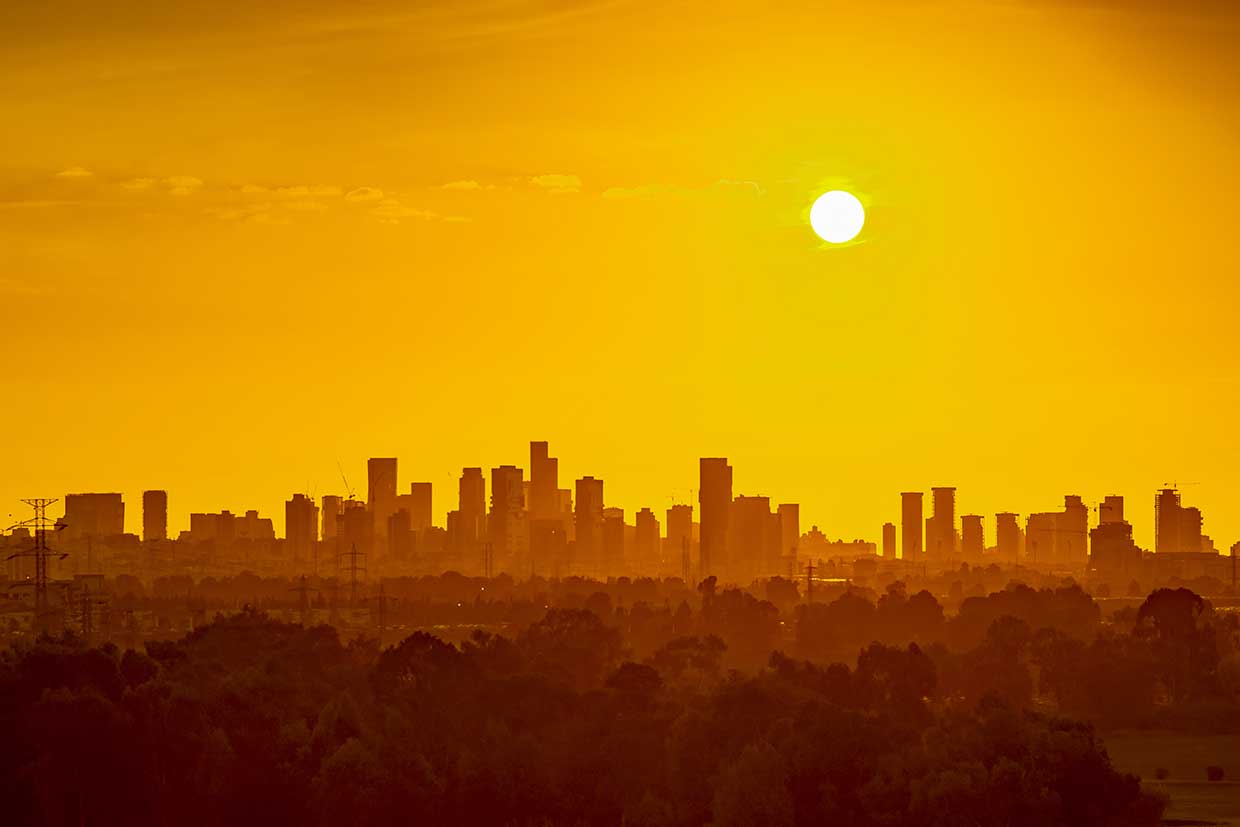
A heatwave is a prolonged period of unusually high temperatures that lasts for several days or longer.
The exact definition changes by country because it depends on local climate. In general, it means temperatures significantly above the seasonal average, often combined with high humidity and warm nights that give the body little chance to recover.

When a strong and persistent high-pressure system traps hot air over a large area, meteorologists often call it a heat dome.
The high pressure acts like a lid. Air sinks, warms further, and stays locked in place. Clear skies allow the sun to heat the ground continuously. This combination produces the most intense and long-lasting heat events.

Heatwaves affect both cities and rural areas, but the impact is usually worse in urban centres because of the way modern landscapes hold heat.
Main Causes of Heatwaves
Several factors work together to create and intensify a heatwave.
The first and most immediate cause is atmospheric circulation. A large area of high pressure builds and remains stationary. This blocks cooler air masses and storm systems from moving through. The result is days of unbroken sunshine and steadily rising temperatures.

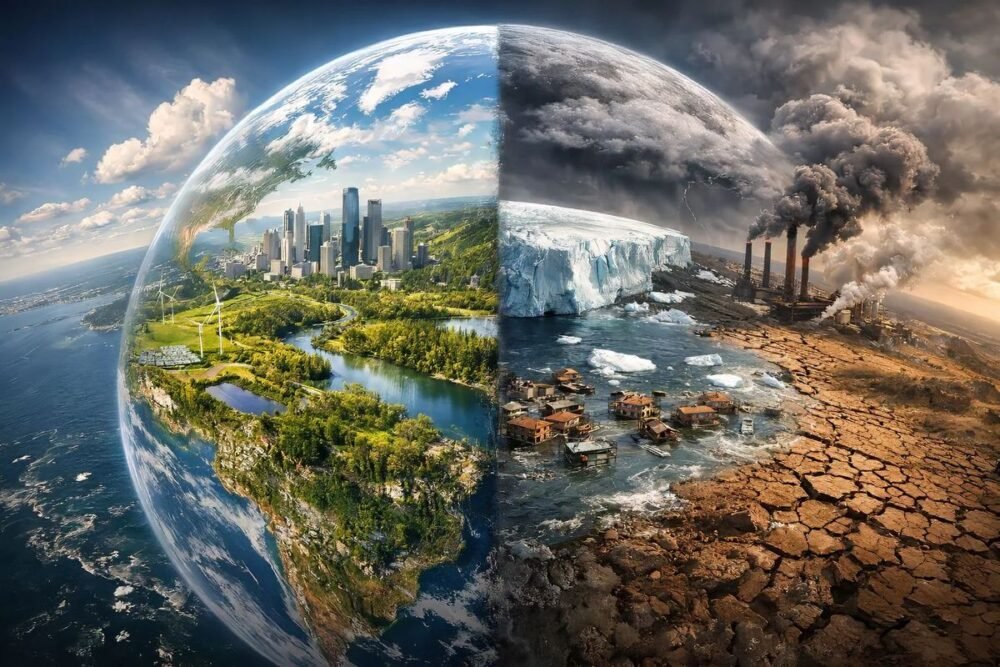
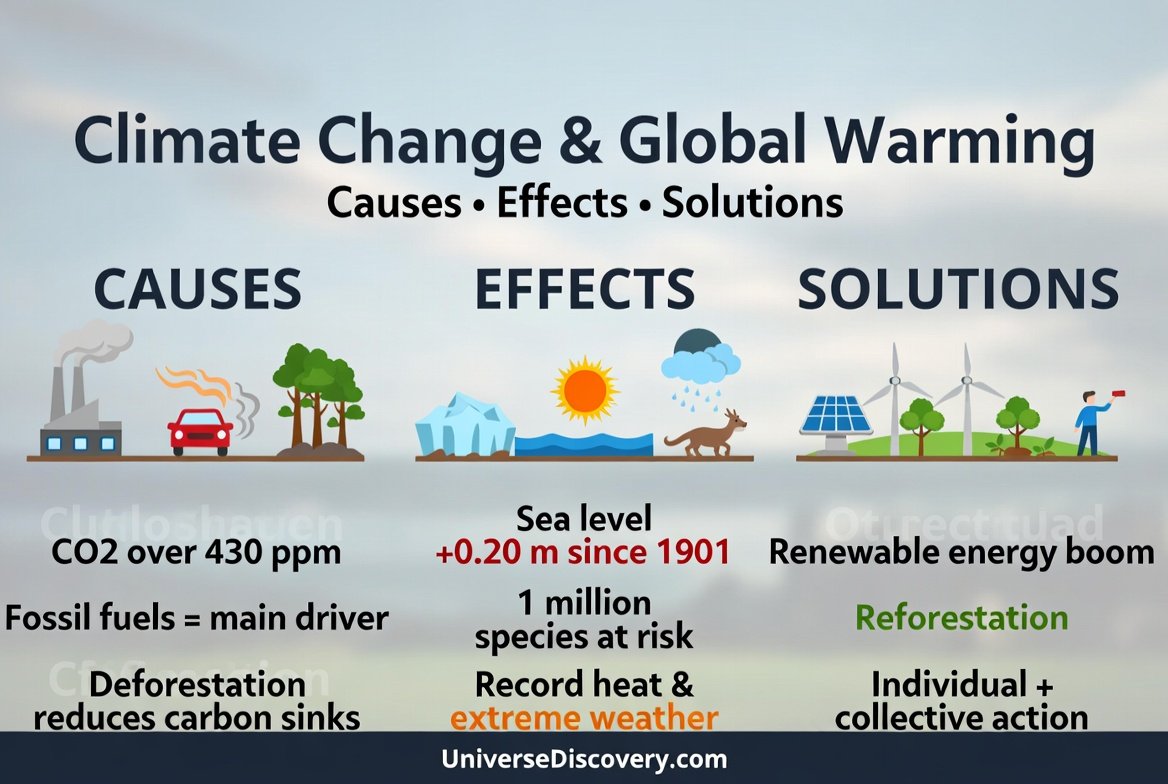
Climate change raises the overall baseline temperature of the planet. When a natural weather pattern that once produced a moderate heat event now occurs, it starts from a warmer foundation. This makes extreme temperatures more likely and more severe.
Scientists observe that heatwaves are lasting longer and occurring more frequently in many parts of the world.

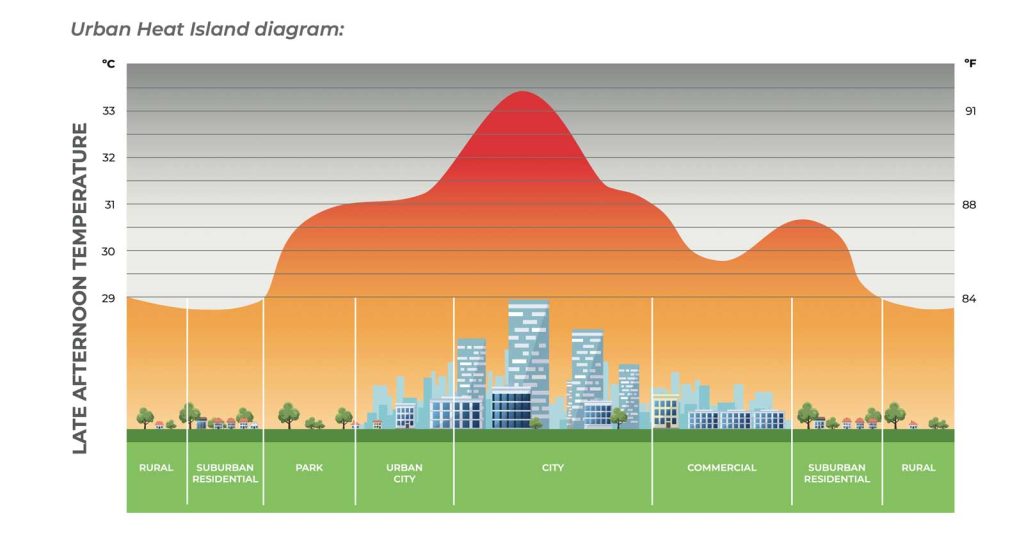
The urban heat island effect makes cities significantly hotter than surrounding countryside. Buildings, roads and dark rooftops absorb large amounts of solar energy during the day and release it slowly at night.
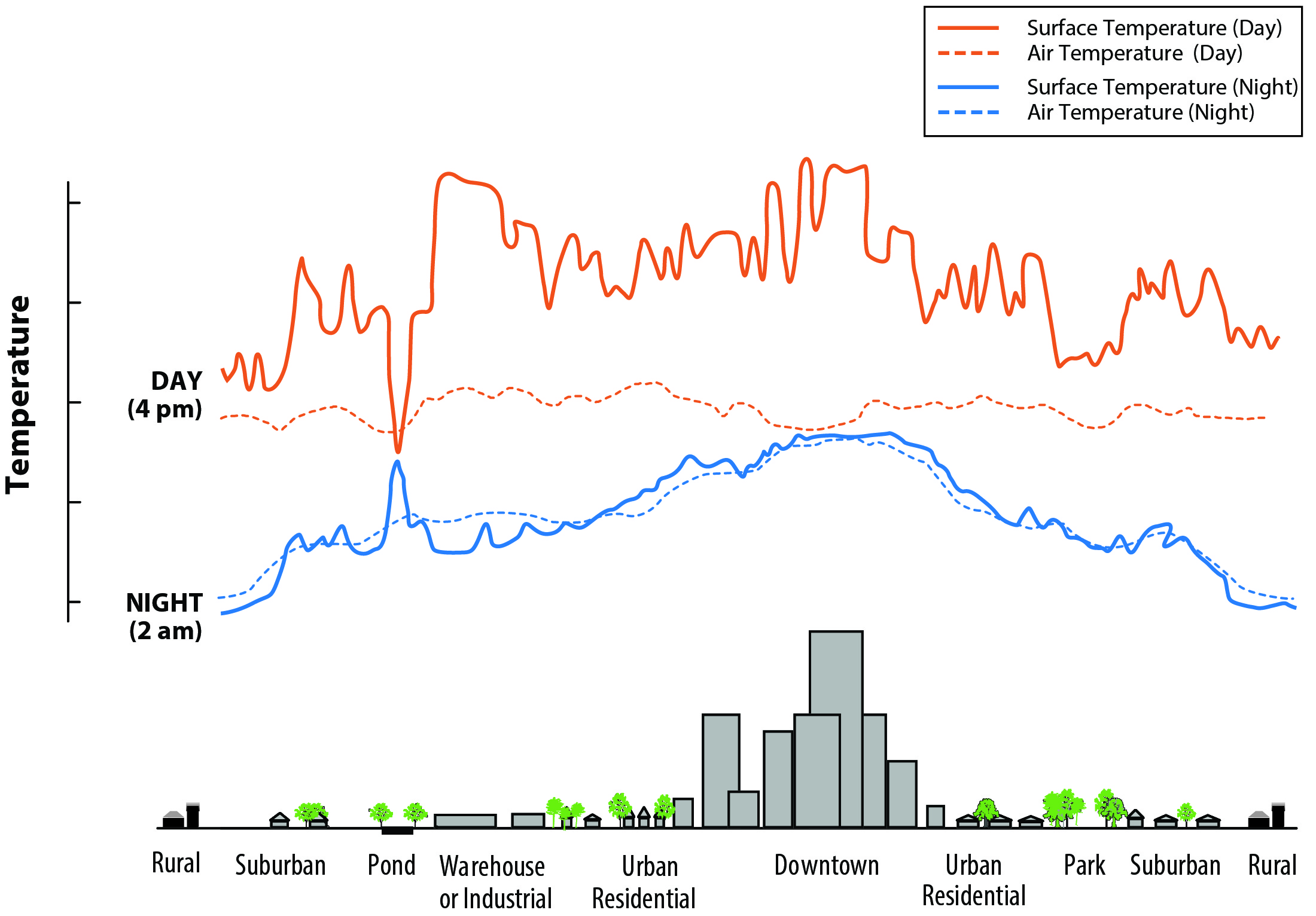
Reduced tree cover and limited green space mean less natural cooling through shade and evaporation. As a result, city temperatures can stay several degrees higher than nearby rural areas, especially overnight.
Soil moisture also plays an important role. When the ground is dry after weeks of little rain, less energy is used for evaporation. More energy instead heats the air. This creates a feedback loop that strengthens the heatwave.
Dry conditions often accompany or follow prolonged heat. Other contributing factors include shifts in the jet stream that allow blocking patterns to persist, and large-scale climate patterns such as El Niño that can influence temperature and rainfall in different regions.
Health Impacts of Extreme Heat
Extreme heat places heavy stress on the human body. The body cools itself mainly by sweating. When temperatures and humidity are high, sweat evaporates more slowly and cooling becomes less effective.
Core body temperature can rise to dangerous levels.
Two conditions are particularly important to recognise.
Heat exhaustion is the earlier stage. Common signs include heavy sweating, weakness, dizziness, headache, nausea, cool and clammy skin, and muscle cramps. The person may feel faint or confused.
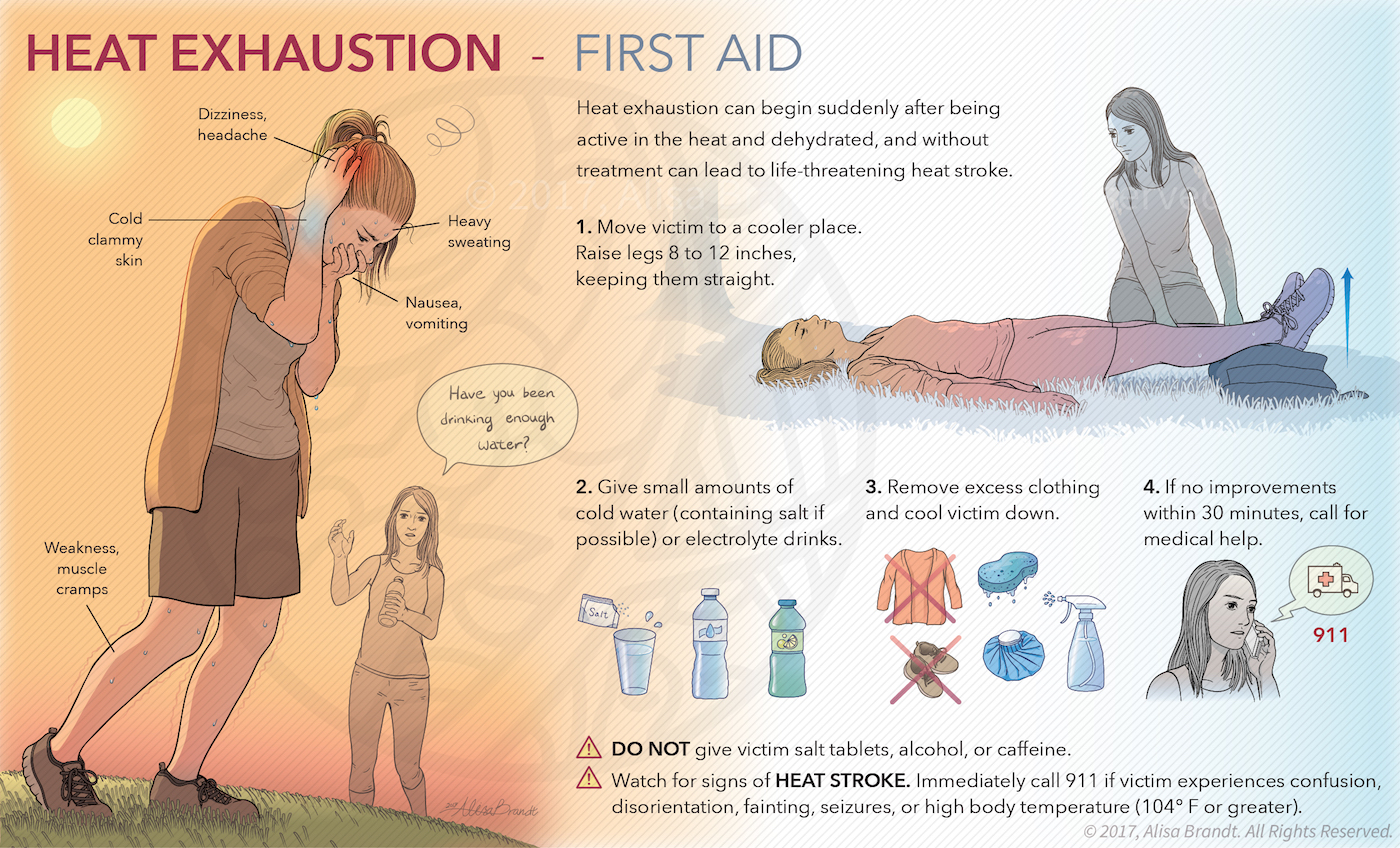
If action is taken quickly, recovery is usually possible.
Heat stroke is a medical emergency. Body temperature often exceeds 103°F or 39.5°C. The skin may become hot and dry or remain moist. Confusion, rapid pulse, seizures or loss of consciousness can occur.
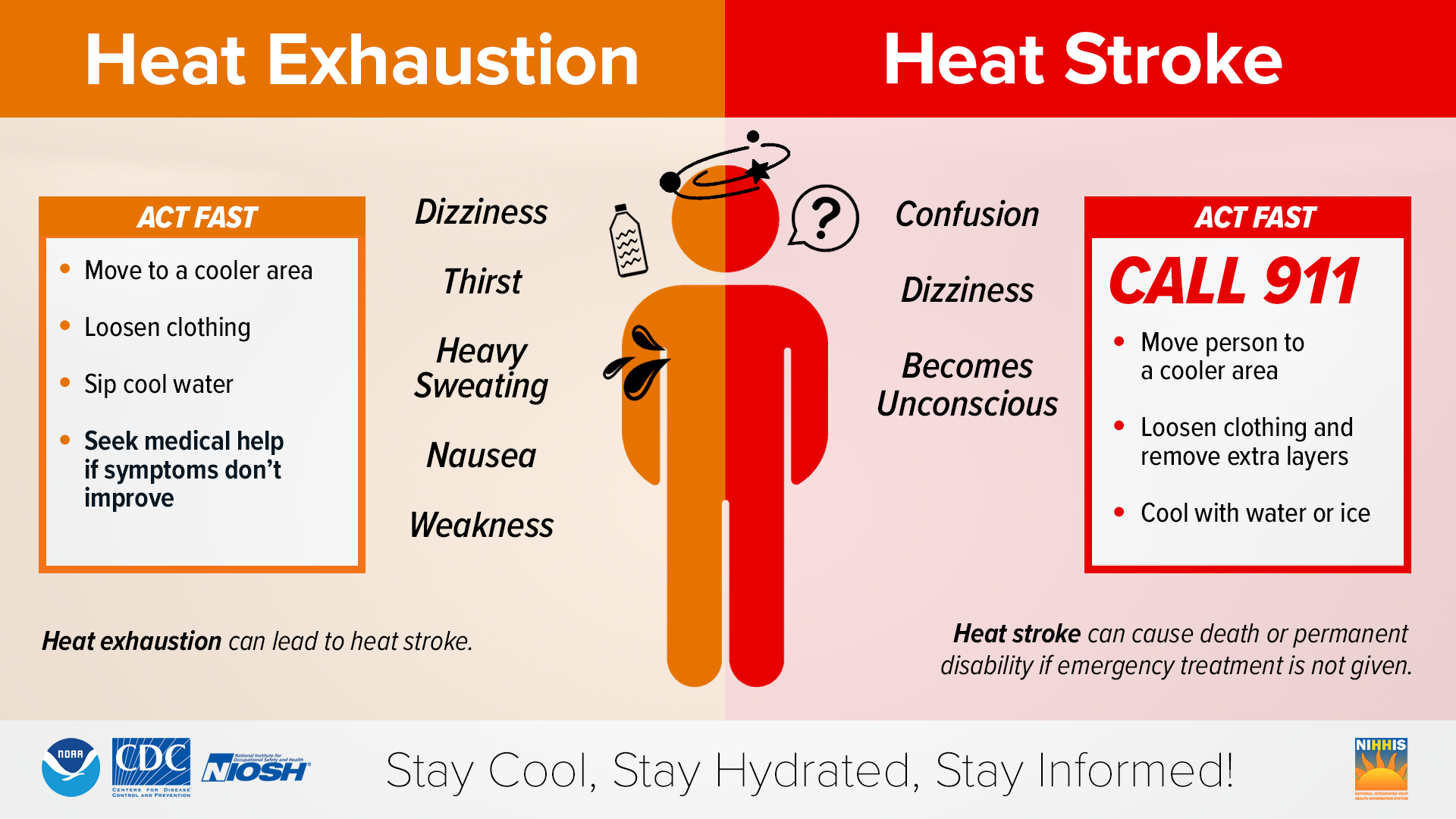
Without rapid cooling and medical help, heat stroke can cause permanent organ damage or death.
Vulnerable groups face higher risk. Older adults often have reduced ability to sense heat and may take medications that affect temperature regulation.

Young children produce more heat relative to their body size and sweat less efficiently. Outdoor workers, athletes, people with chronic illnesses, and those without access to cooling are also at elevated risk.
Beyond direct health effects, heatwaves increase demand on electricity systems, raise the risk of power outages, and can worsen air quality. They also affect agriculture, water supplies and outdoor economic activity.
Preventive Measures to Stay Safe
Most heat-related illnesses are preventable. The following preventive measures are recommended by health authorities in many countries.
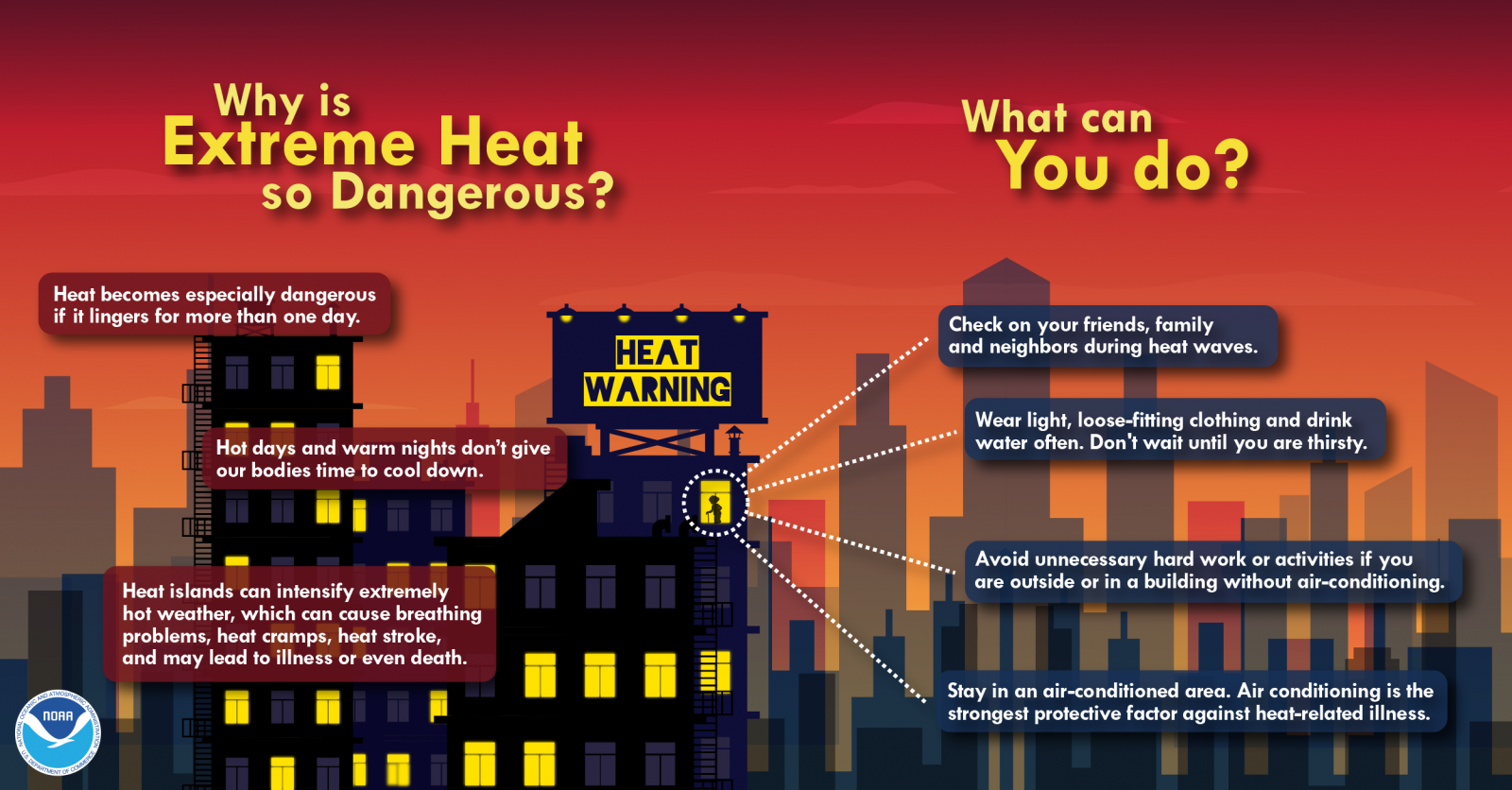
Keep cool indoors. Use air conditioning whenever possible. If your home does not have it, spend several hours each day in a public place that does, such as a library, shopping centre or designated cooling centre.
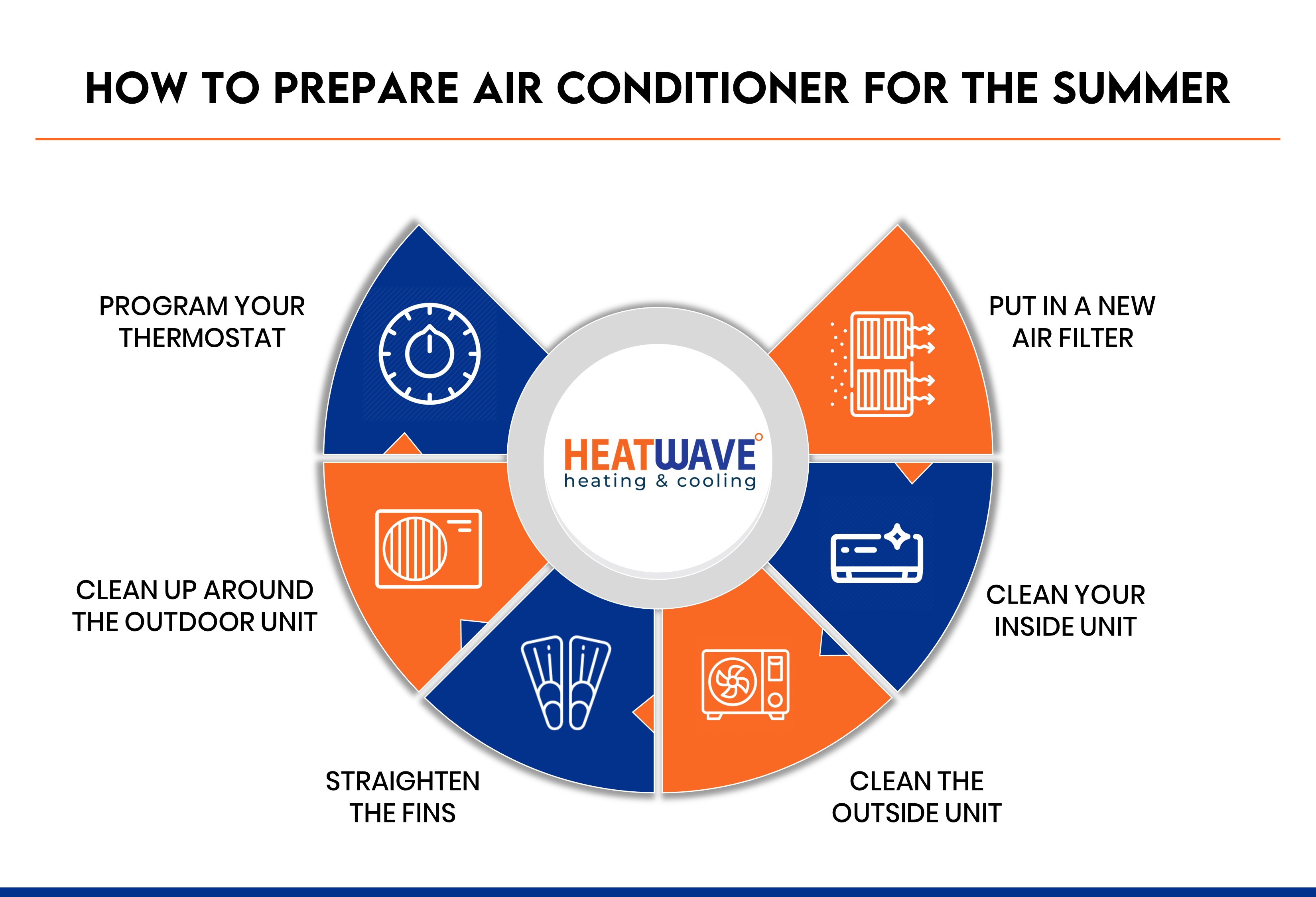
Close curtains and blinds on windows that receive direct sun during the hottest hours. Open windows at night when the outdoor temperature drops below the indoor temperature. Avoid using ovens and stoves that add extra heat to the house.
Stay well hydrated. Drink water regularly throughout the day, even if you do not feel thirsty. Carry a reusable bottle and refill it often.

Limit alcohol, caffeine and sugary drinks because they can increase fluid loss. Check the colour of your urine. Pale yellow usually indicates good hydration.
Limit outdoor exposure. Schedule outdoor work, exercise or errands for early morning or evening when temperatures are lower.

Wear lightweight, light-coloured and loose-fitting clothing. A wide-brimmed hat and sunglasses provide useful protection. Apply sunscreen with SPF 30 or higher and reapply as needed. Seek shade whenever possible.
Never leave children, older adults or pets in a parked vehicle, even for a short time. Temperatures inside a car rise rapidly.
Cool the body directly. Take cool showers or baths. Apply cool, damp cloths to the neck, wrists, armpits and forehead.
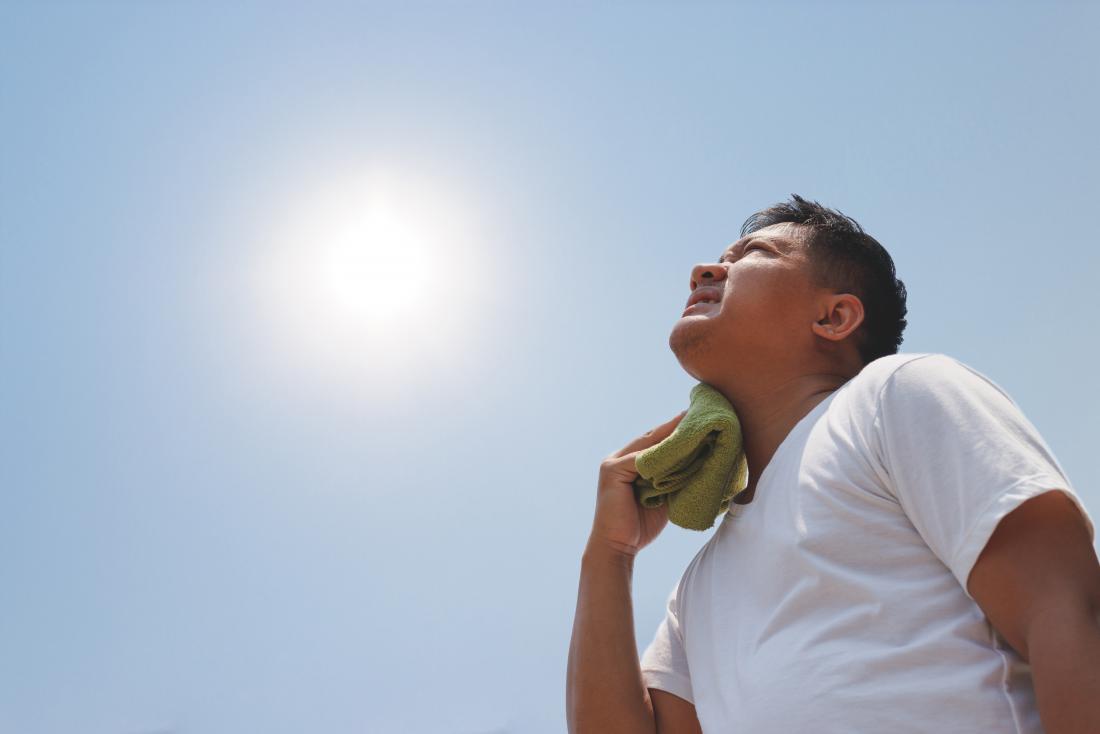
A spray bottle filled with water can provide quick relief through evaporative cooling. Some people find that resting with feet in a basin of cool water helps.
Watch for early warning signs. If you or someone else develops symptoms of heat exhaustion, move to a cooler place immediately, loosen clothing, sip cool water and rest.
If symptoms worsen or signs of heat stroke appear, call emergency services without delay and begin cooling the person while waiting for help.
Check on others. Regularly contact neighbours, family members and friends, especially those who are older or live alone. A simple phone call or visit can make a critical difference. Communities that look out for one another reduce the overall impact of extreme heat.
Extra Advice for Different Situations
Parents should be especially careful with young children. Dress them in light clothing, offer frequent drinks, and limit time outdoors during peak heat.
Older adults may need reminders to drink and to use cooling methods even when they do not feel particularly hot.
Outdoor workers and athletes should take more frequent breaks in shade or air-conditioned spaces, drink fluids on a schedule, and watch one another for signs of heat illness.
Employers in hot climates often adjust work hours or provide additional rest periods during heat alerts.
People living in apartments or older homes without air conditioning can create a cooler zone by focusing efforts on one room. Keep that room shaded, use fans carefully when temperatures are not extreme, and move to a cooler location if needed.
Long-Term Approaches
While individual actions help during a heat event, longer-term steps reduce overall risk. Planting trees and increasing green spaces in cities lowers local temperatures through shade and evaporation.
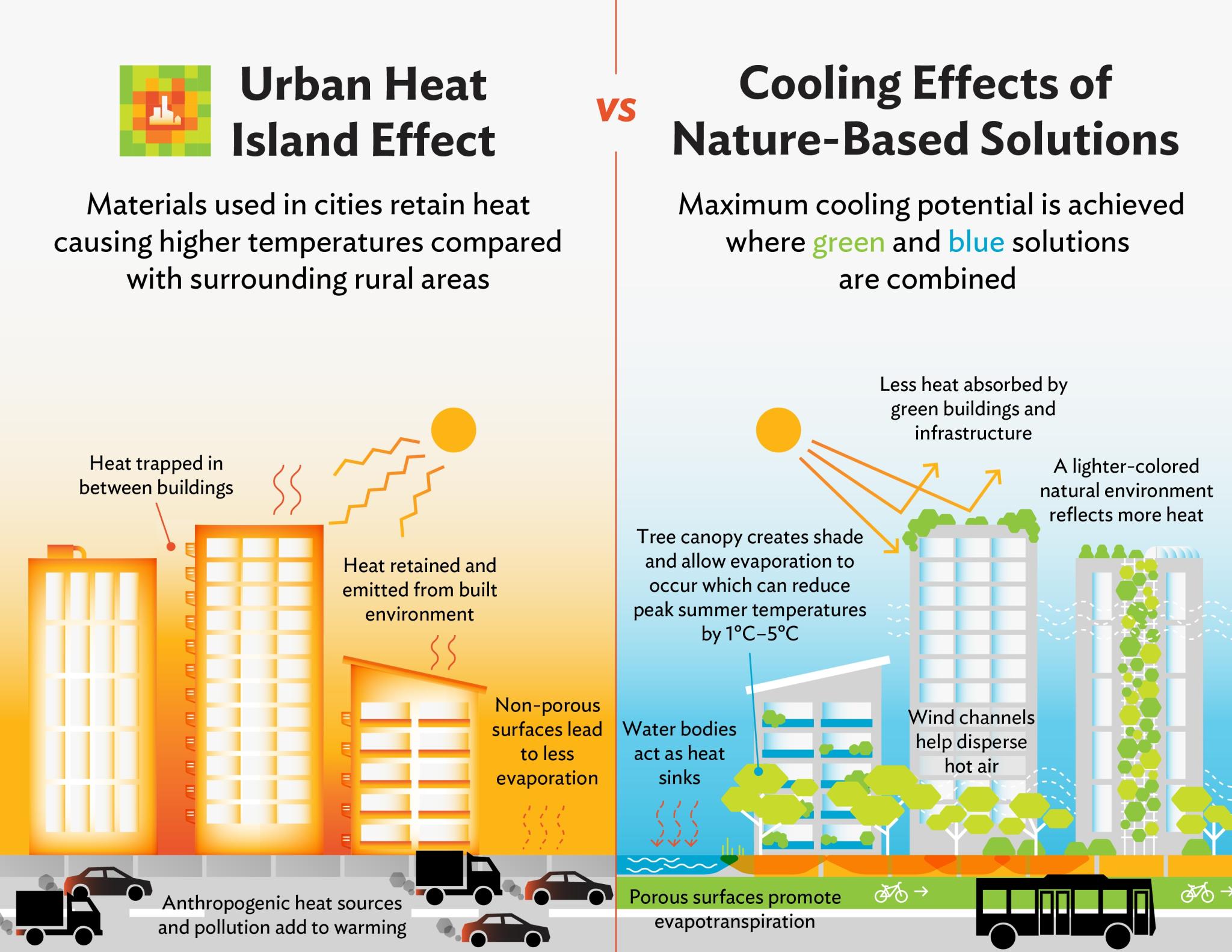
Cool roofs and reflective building materials reduce heat absorption. Better insulation and passive cooling design make homes more comfortable with less energy use.
Cities and countries that develop heat-health action plans, early warning systems and accessible cooling centres protect the most vulnerable residents. Supporting these measures at the community level benefits everyone.
Frequently Asked Questions
How long do heatwaves usually last? Most last from a few days to more than a week. Some persistent heat domes can continue for two weeks or longer.
Is a fan enough during extreme heat? Fans help when indoor temperatures are below about 95°F (35°C). Above that level they mainly circulate hot air and may not cool the body effectively. Combine fans with other cooling methods or move to an air-conditioned space.
Can heatwaves affect indoor temperatures at night? Yes. The urban heat island effect and residual heat in buildings often keep nights warmer than expected, reducing recovery time for the body.
What should I do if I suspect heat stroke? Call emergency services immediately. Move the person to a cooler place, remove excess clothing, and cool them with water or ice packs while waiting for help. Do not give fluids if the person is unconscious.
Conclusion
Heatwaves are a growing reality driven by atmospheric high-pressure systems, the urban heat island effect, dry soils and rising global temperatures.
The good news is that clear knowledge of heat wave causes and consistent use of preventive measures greatly reduce the danger.
Stay cool. Stay hydrated. Limit exposure during the hottest hours. Watch for early symptoms. Check on those who may need help.