








Space debris removal is finally going commercial in 2027. Portal Space Systems and Paladin Space just unveiled Debris Removal as a Service (DRAAS)—the first scalable solution for space junk removal. This partnership turns active debris removal into an affordable, routine operation that protects satellites and prevents future disasters.
Why Space Junk Cleanup Matters More Than Ever
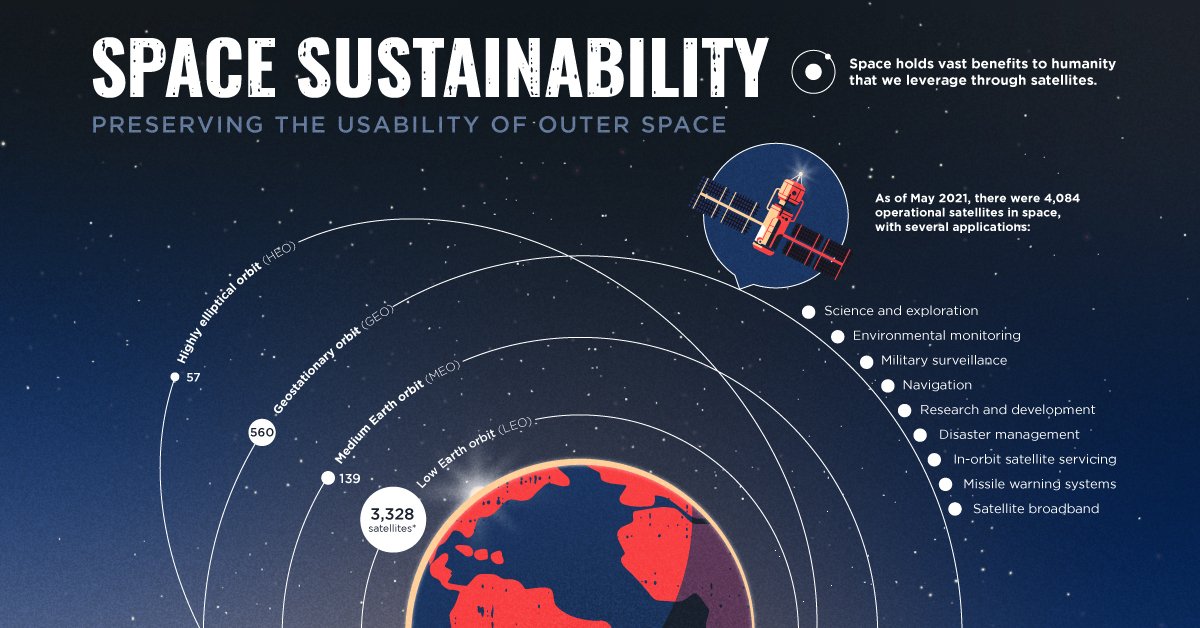
Earth’s orbits are packed with dangerous debris. Over 36,500 tracked objects and 130 million smaller fragments race at 28,000 km/h, creating constant collision risks. Without orbital debris removal, experts warn of Kessler syndrome—a chain reaction that could make low-Earth orbit unusable.
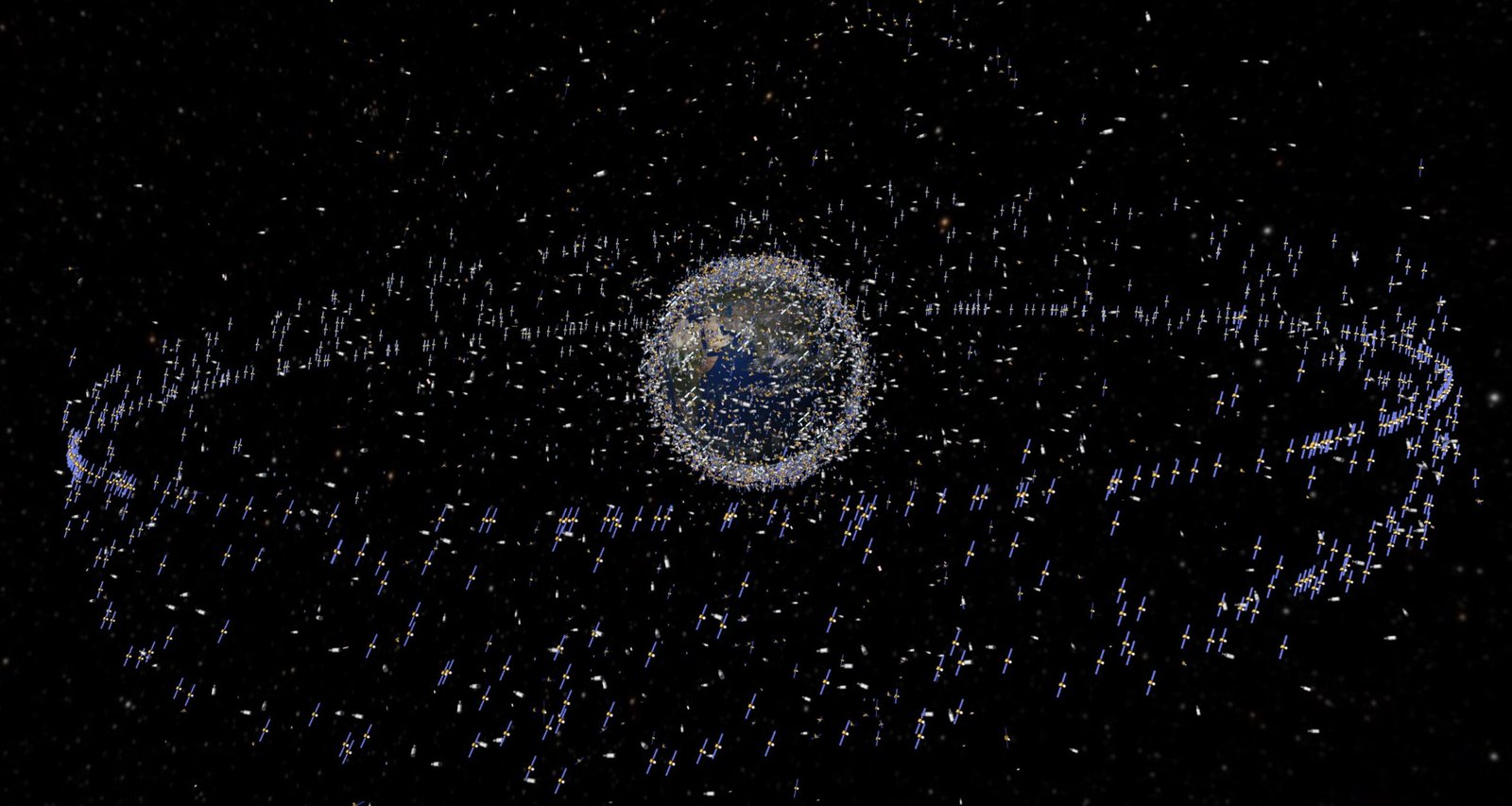
Satellite operators already dodge thousands of potential crashes yearly. Space debris removal 2027 is now essential for the $500 billion space economy.
Also Read:
James Webb Space Telescope: Images Reveal Hidden Stars
Japan’s Luna Ring: 6,800-Mile Solar Power Belt Around the Moon to Power Earth 24/7
Meet the Tech Powering 2027 Space Junk Removal
Portal Space Systems brings its maneuverable Starburst spacecraft—a refuelable space tug built for quick orbital moves.
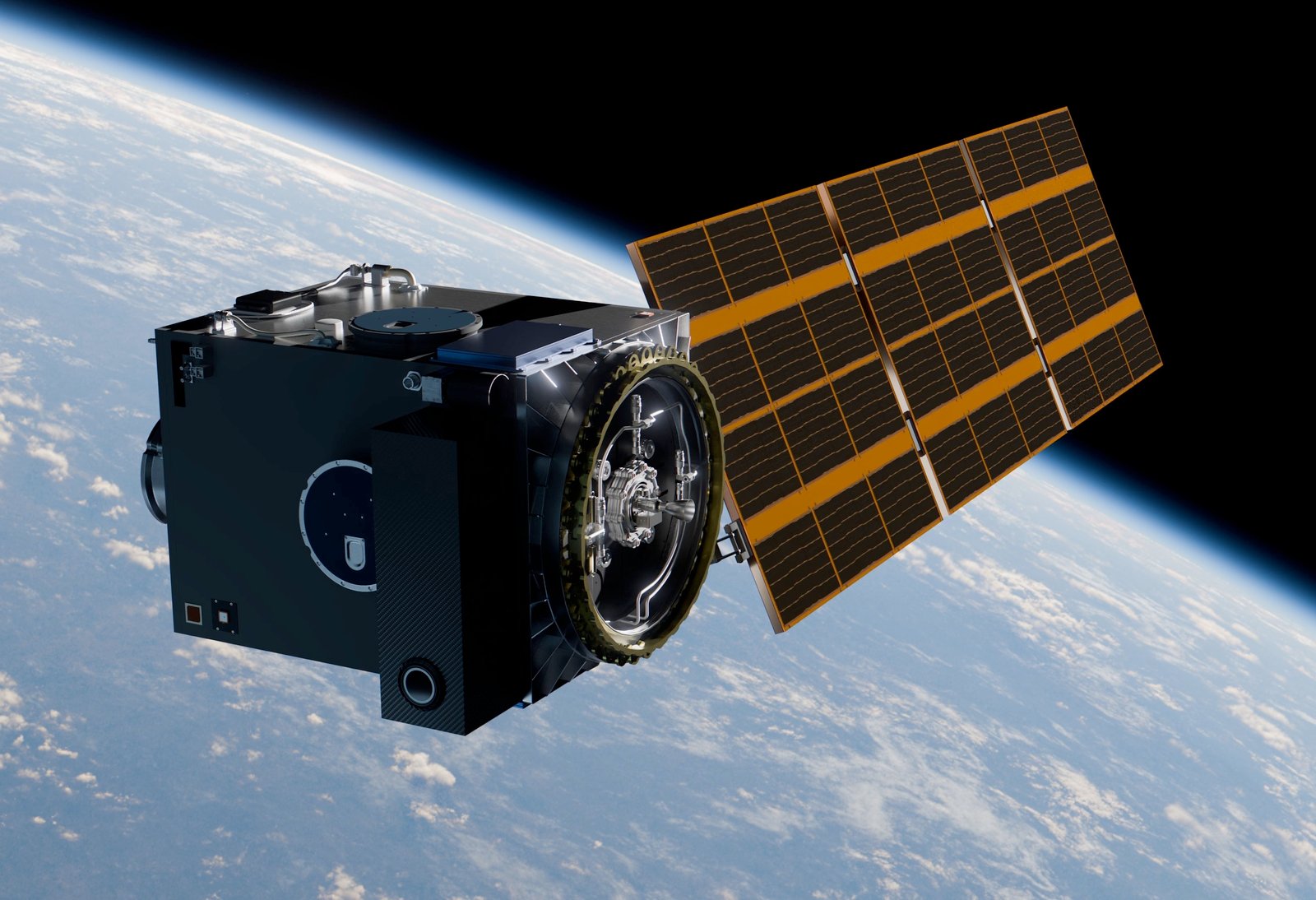
Paladin Space adds the Triton payload, which tracks and captures dozens of small debris pieces in one mission.
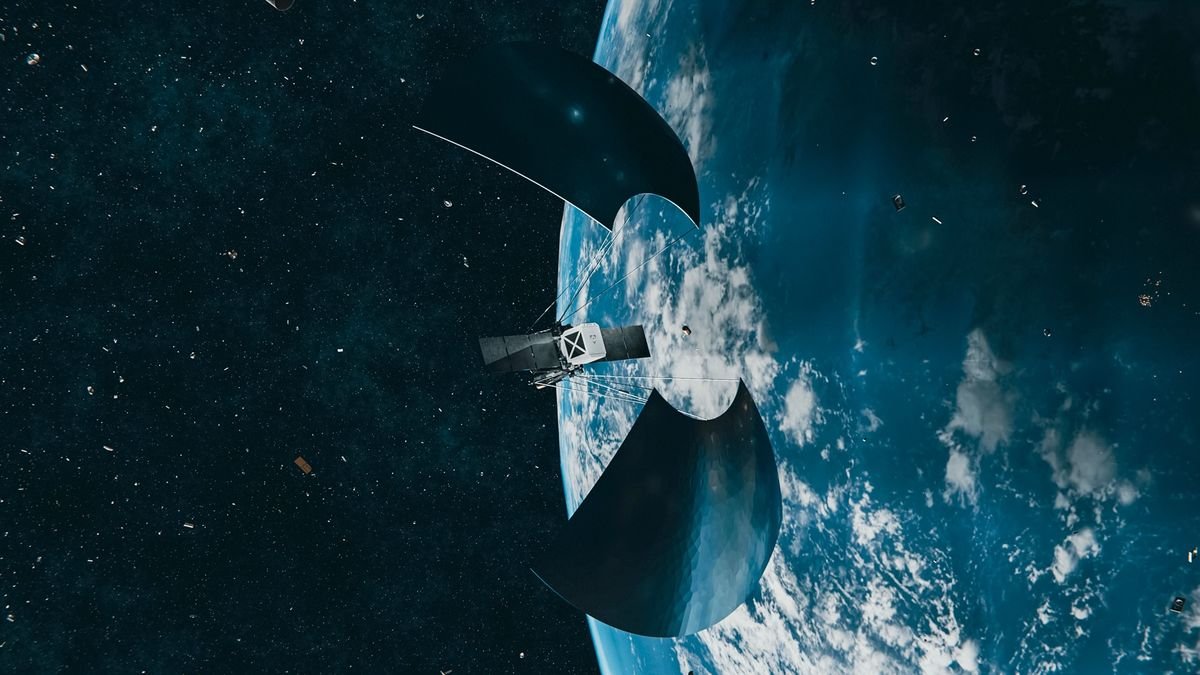
Together, they slash costs and make space junk cleanup practical for commercial fleets worldwide.
Timeline: When DRAAS Operations Begin
Starburst-1 launches late 2026 on SpaceX’s Transporter-18 mission. Full space debris removal service starts in 2027. Portal recently raised $50 million to speed development. Early clients like Starlab Space have already signed on.
Real Benefits of This Orbital Debris Removal Breakthrough
This DRAAS model protects Starlink, GPS, and weather satellites. It reduces risks for crewed missions and supports sustainable mega-constellations. Unlike one-off demos, it delivers high-volume, low-cost active debris removal—exactly what the industry needs.
Quick FAQ on Space Debris Removal 2027
What is DRAAS? A commercial “garbage truck” service that removes multiple pieces of space junk per trip.
When does it start? Late 2026 launch, full operations in 2027.
How much can they remove? Dozens of small objects (<1m) per mission.
Who benefits most? Satellite operators facing rising collision threats.
The Future of Clean Orbits Starts Now
Portal Space Systems and Paladin Space are leading the charge in space sustainability. Their 2027 space debris removal plan proves private companies can solve big orbital problems fast. The era of routine space junk cleanup has arrived.