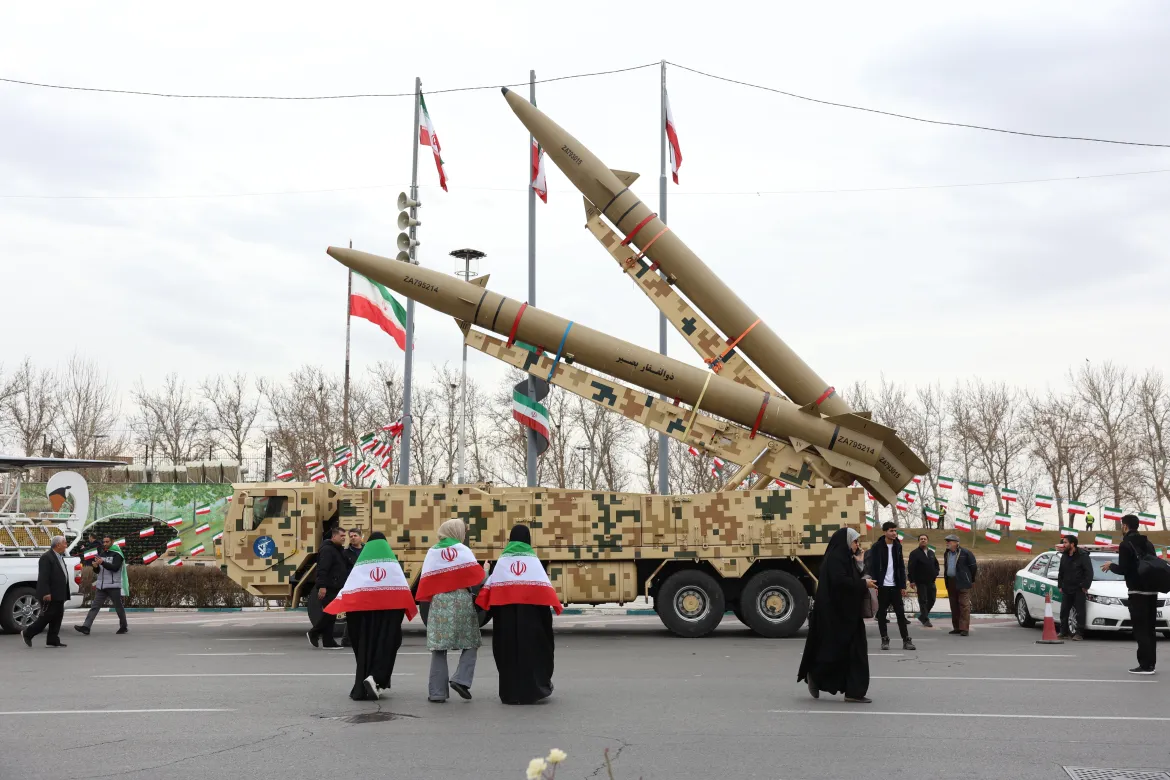








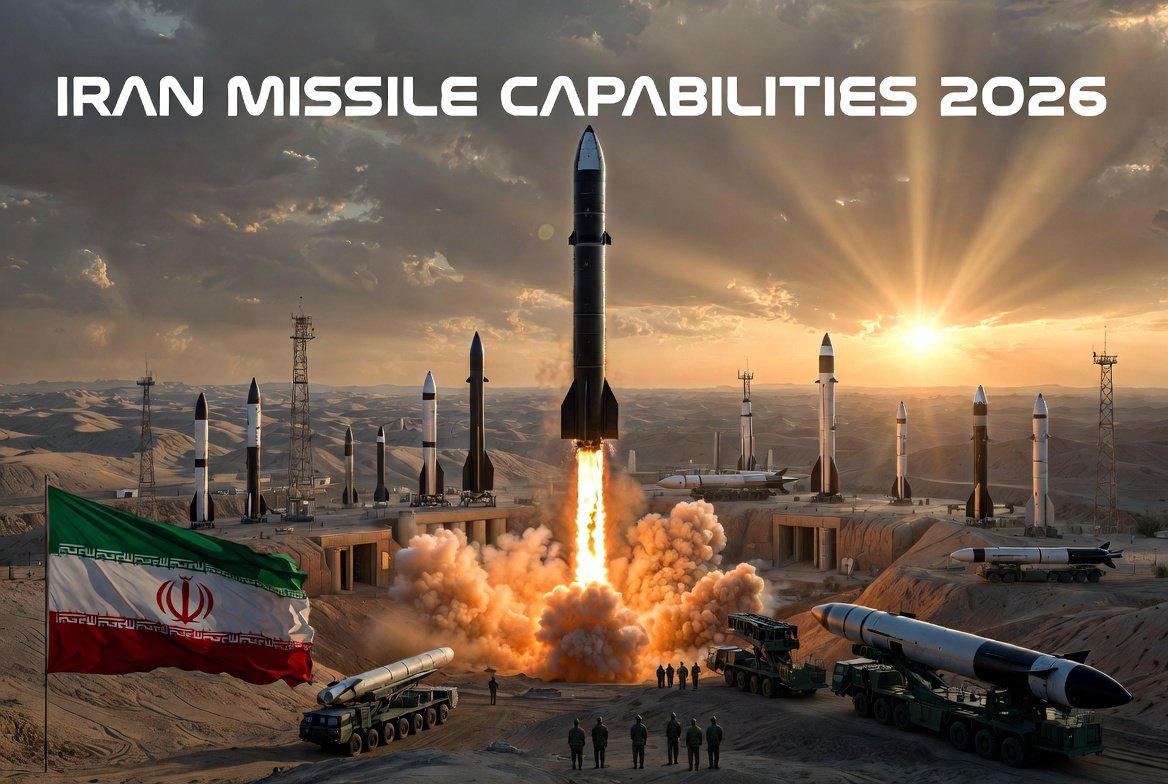
Iran missile technology stands as one of the most formidable in the Middle East, with the Islamic Republic boasting the region’s largest arsenal of Iranian ballistic missiles. As of 2026, Iran missile capabilities include hundreds of short-range, medium-range, and hypersonic systems designed for rapid launch, high precision, and penetration of advanced defenses. From mobile solid-fuel Iran missile to advanced hypersonic glide vehicles like the Fattah-2, this Iran missile program emphasizes deterrence, swarm tactics, and survivability despite decades of sanctions.
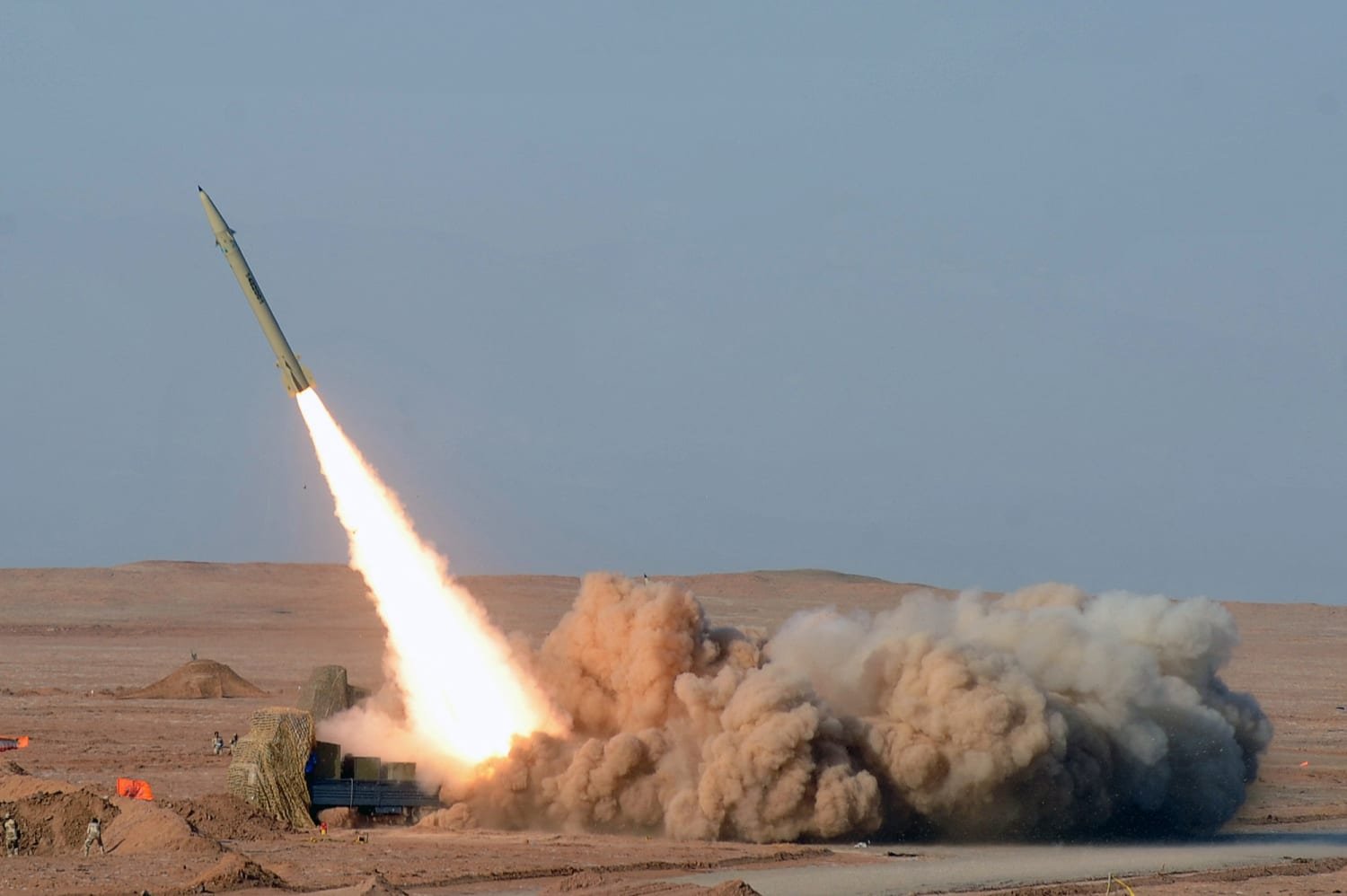
This detailed guide covers the full list of Iran missiles with exact ranges, payloads, propulsion, accuracy, and real-world use. Whether searching for Iran missile range, Iranian ballistic missiles, or the latest Fattah hypersonic missile, you’ll find everything here—optimized for the latest 2026 developments.
Also Read:
US Iran War Cost 2026: Total Losses Reach $45 Billion – Full Breakdown of Military Expenses, Oil Spikes & Economic Impact Since Day 1
Trump’s “Back to the Stone Ages” Iran Threat: Full April 1 2026 Speech, Global Reactions & Oil Market Chaos
Evolution of Iran Missile Program: From Scuds to Hypersonics
Iran missile journey began during the 1980s Iran-Iraq War with reverse-engineered Scud systems. Today, the IRGC Aerospace Force produces indigenous Iran missile featuring solid-fuel engines for minutes-not-hours launch times, maneuverable reentry vehicles (MaRVs), and underground basing. Recent conflicts in 2025-2026 proved their effectiveness, with Iran missile strikes demonstrating precision against hardened targets. The self-imposed 2,000 km range limit keeps focus on regional threats while expanding hypersonic and cruise options.
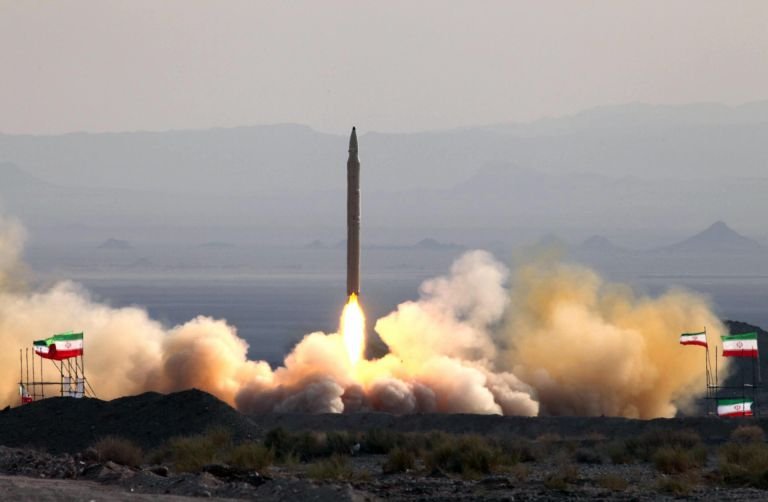
Short-Range Ballistic Missiles (SRBMs): Iran Missile Precision Strike Backbone
SRBMs (under 1,000 km) dominate Iran missile tactical inventory. These highly mobile, solid-fuel systems enable rapid, accurate hits on nearby bases and infrastructure.
- Shahab-1 (Scud-B variant): Liquid-fueled SRBM with 300-350 km range and 770-1,000 kg payload. CEP around 500 m; still operational in reserve stocks.
- Shahab-2 (Scud-C variant): Extended liquid-fueled model reaching 500-750 km with ~700 kg payload. Widely deployed across Iran missile forces.
- Qiam-1: Modernized liquid-fueled SRBM with 700-800 km range, 650 kg payload, and improved CEP under 500 m. Includes anti-ship variants.
- Fateh-110 Family: Iconic solid-fueled Iran missile with 300 km range and 450-500 kg payload. CEP as low as 100 m; combat-proven in Syria and beyond. Includes Khalij Fars and Hormuz anti-ship versions.
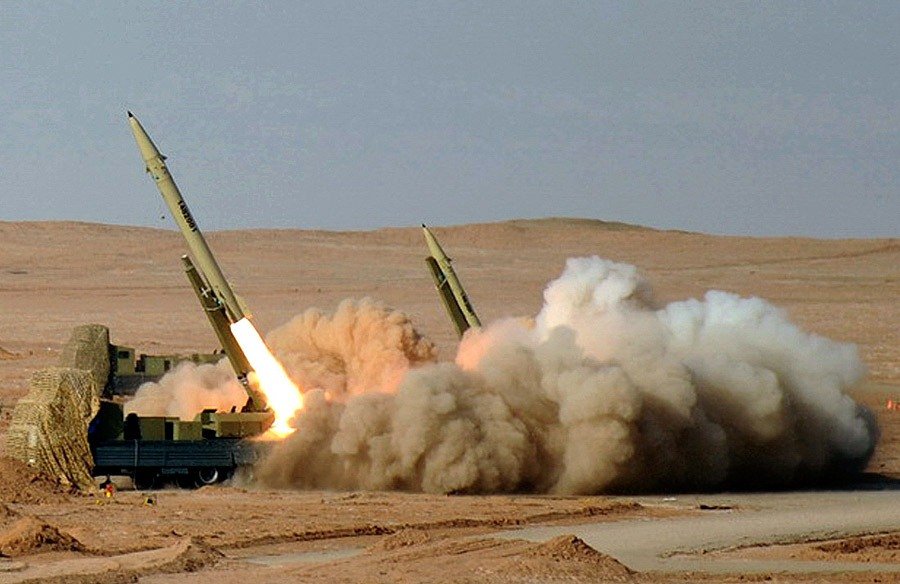
- Fateh-313: Upgraded variant pushing range to 500 km with 350 kg payload and exceptional 10-30 m CEP accuracy.
- Zolfaghar / Raad-500: Solid-fuel extensions delivering 500-700 km (up to 1,000 km in some claims) with enhanced guidance for swarm attacks.
These Iran short-range ballistic missiles form the first line of defense and offense, ideal for saturating enemy air defenses.
Medium-Range Ballistic Missiles (MRBMs): The Heart of Iran Missile Strategic Deterrent
MRBMs (1,000-3,000 km) define Iran missile ability to strike across the Gulf, Israel, and U.S. bases. Solid-fuel designs make them launch-ready in under 15 minutes.
- Shahab-3 Family (including Ghadr & Emad): Liquid-fueled backbone with 1,300-2,000 km range and 1,000-1,650 kg payload. Emad variant adds MaRV for evasion; Ghadr reaches 1,600-2,000 km.
- Kheibar Shekan: Solid-fueled precision MRBM at 1,450 km range—highly mobile and accurate.
- Sejjil (Sejjil-2 / Ashura): Two-stage solid-fueled Iran missile with 2,000-2,500 km range and ~750 kg payload. Road-mobile, quick-launch, and extremely survivable—often featured in viral Iran missile parades.
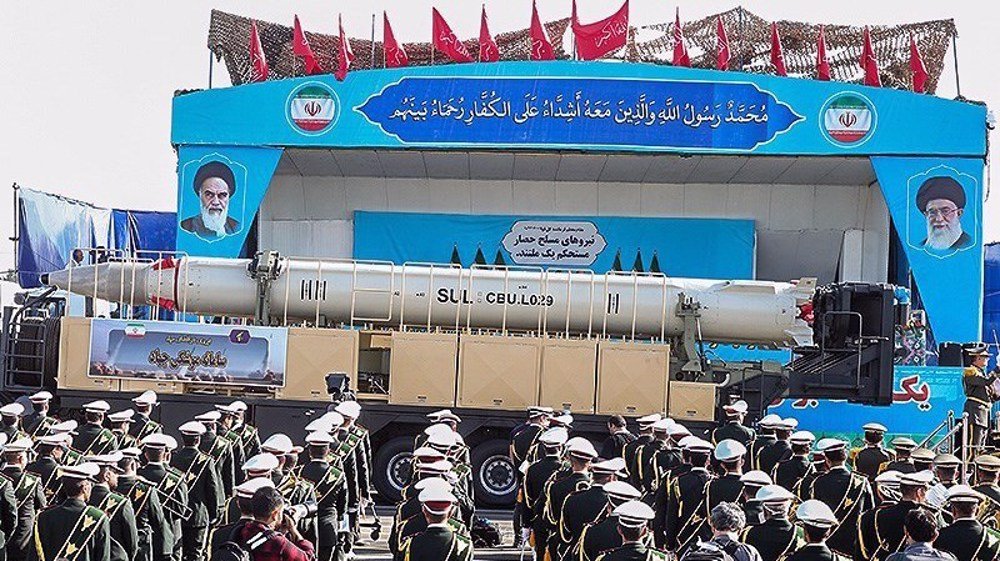
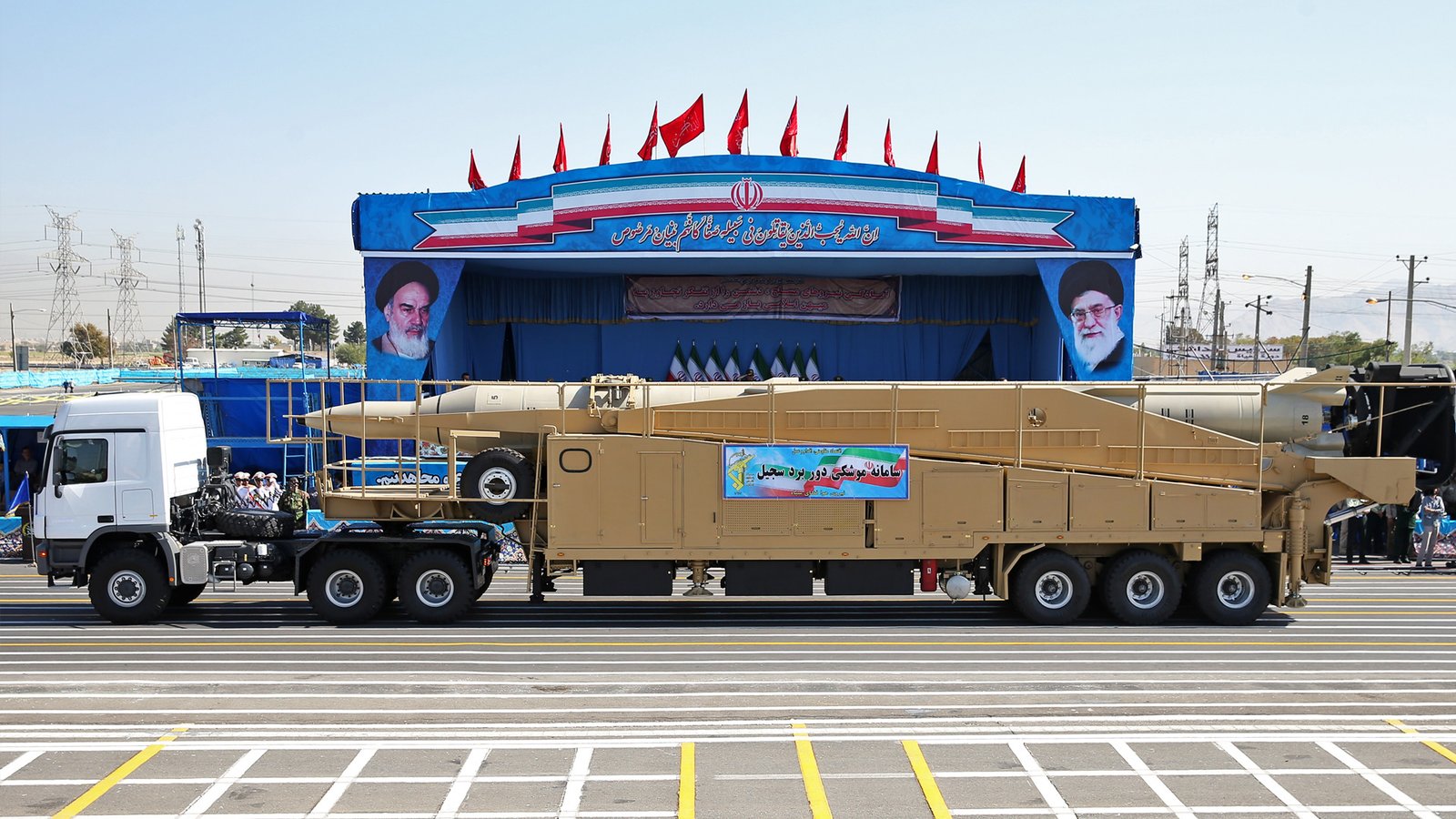
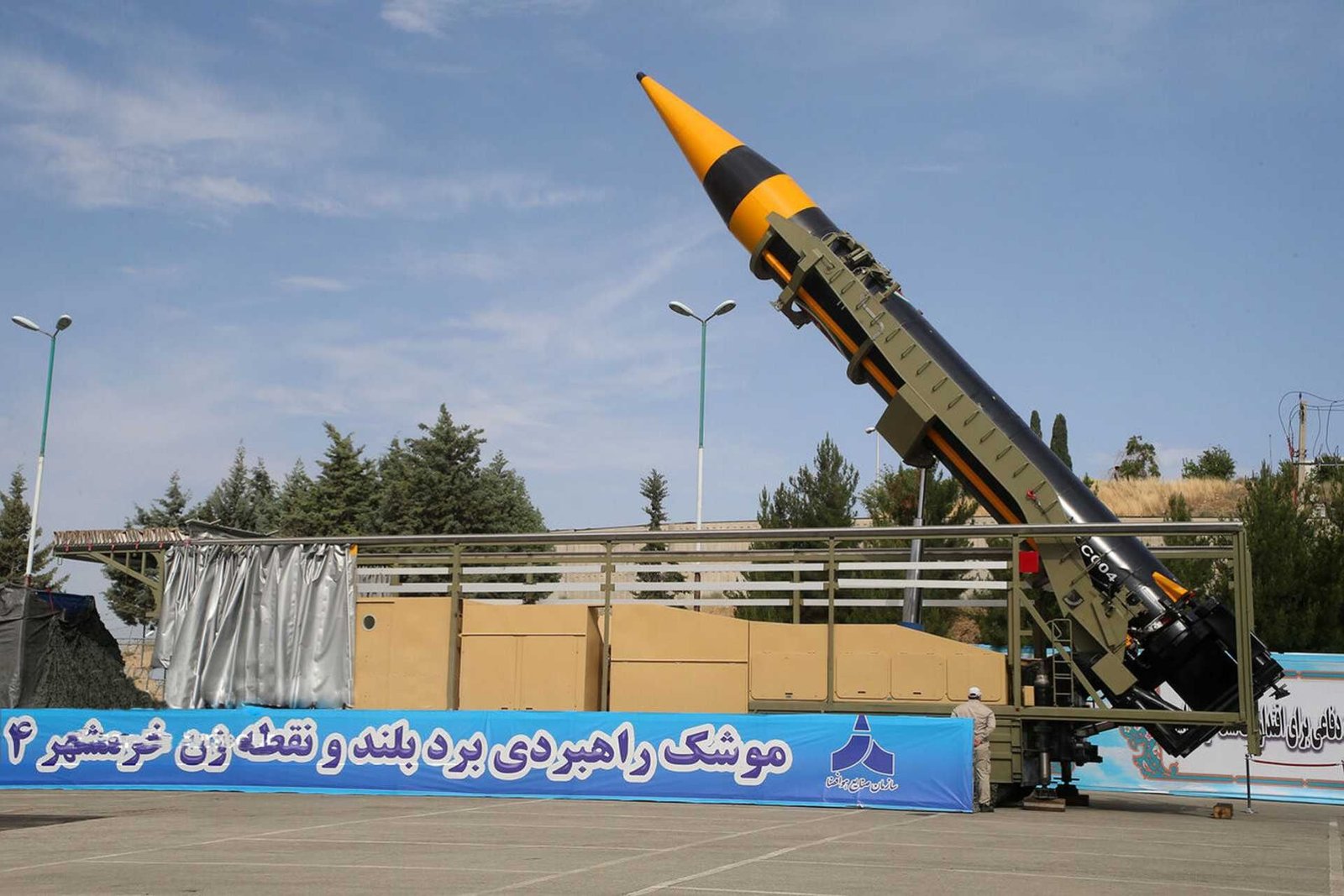
- Khorramshahr Series (including Khorramshahr-4): Advanced liquid-fueled MRBM with 2,000-3,000 km range and heavy 1,500-1,800 kg payload. Designed for high-impact strikes, possibly with cluster or submunition warheads.
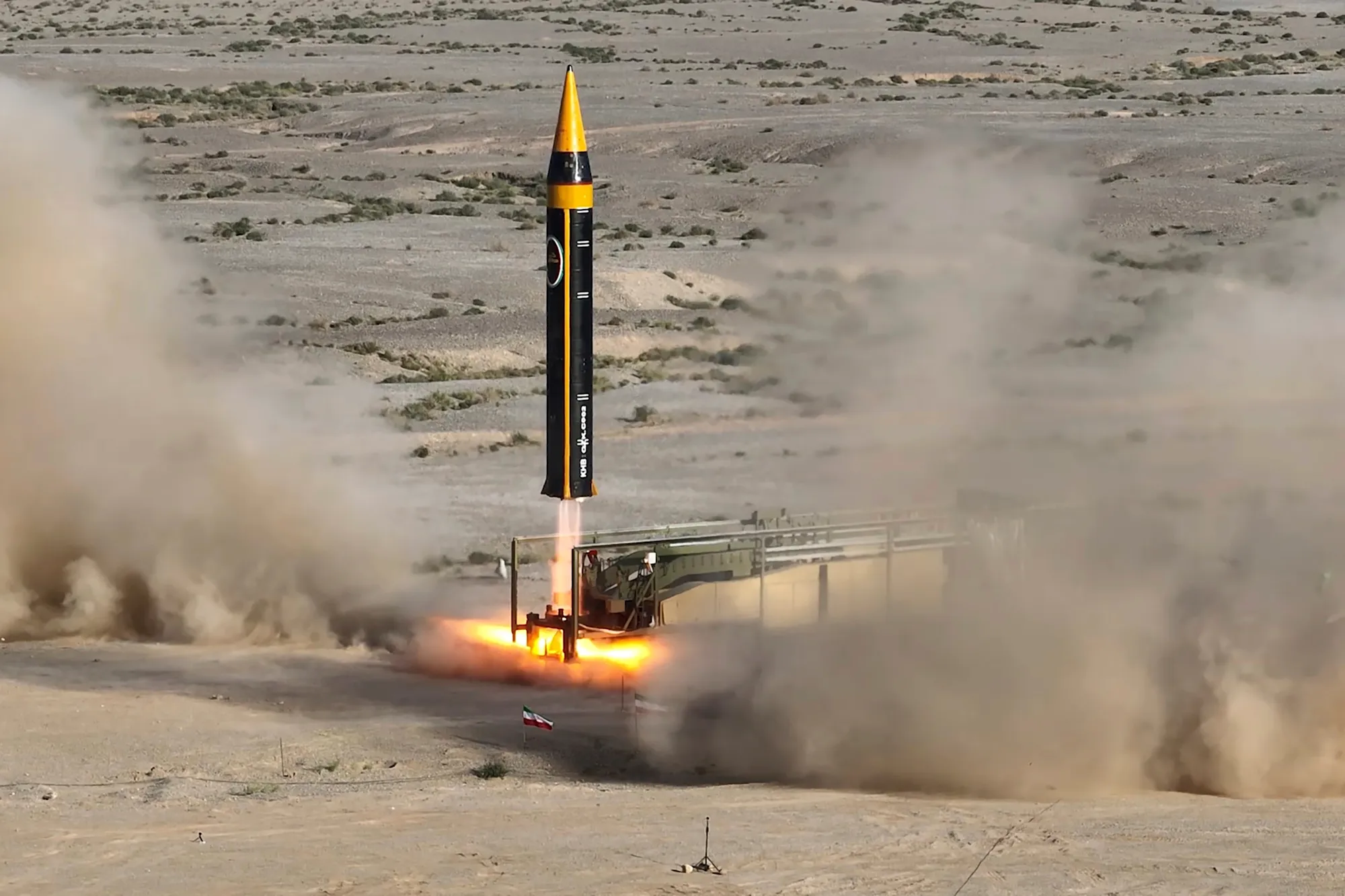
Iran missile medium-range ballistic missiles like the Sejjil and Khorramshahr provide credible second-strike capability, with thousands estimated in inventory.
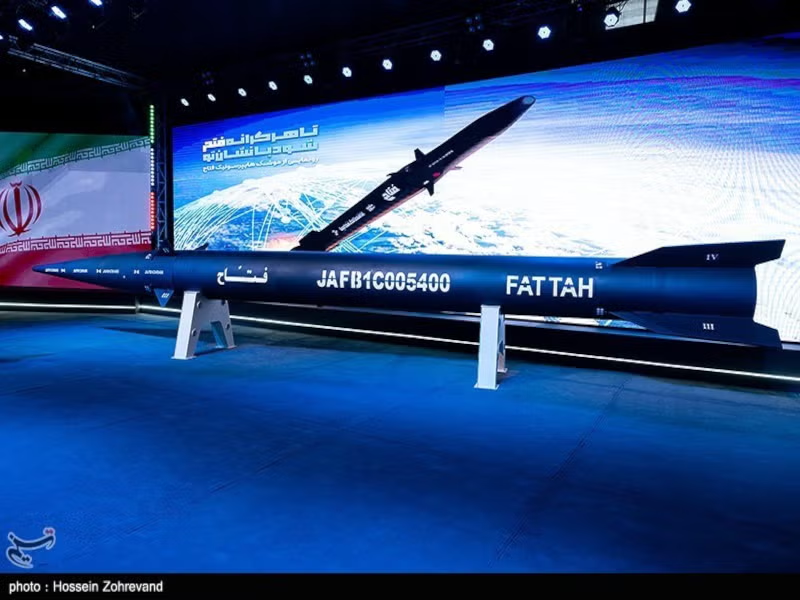
Hypersonic Revolution: Fattah-1 and Fattah-2 Iran Missile
Iran missile leads the region in hypersonic Iran missile development to defeat missile shields.
- Fattah-1: MaRV-equipped system with Mach 13-15 speeds and 1,400-2,000 km range. Combat-tested in 2025-2026 operations.
- Fattah-2: Next-gen hypersonic glide vehicle (HGV) with true atmospheric maneuvering. Reaches Mach 15+, 1,500 km range, and 200 kg payload. Nearly impossible to intercept—used successfully in recent strikes with unpredictable pitch and course changes.
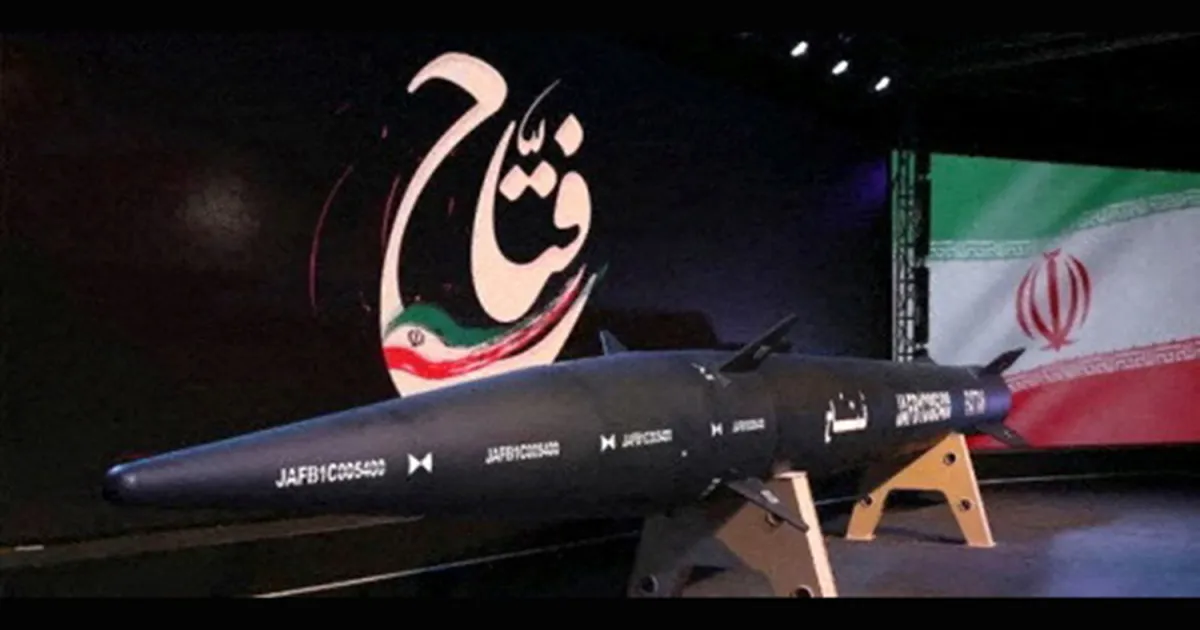
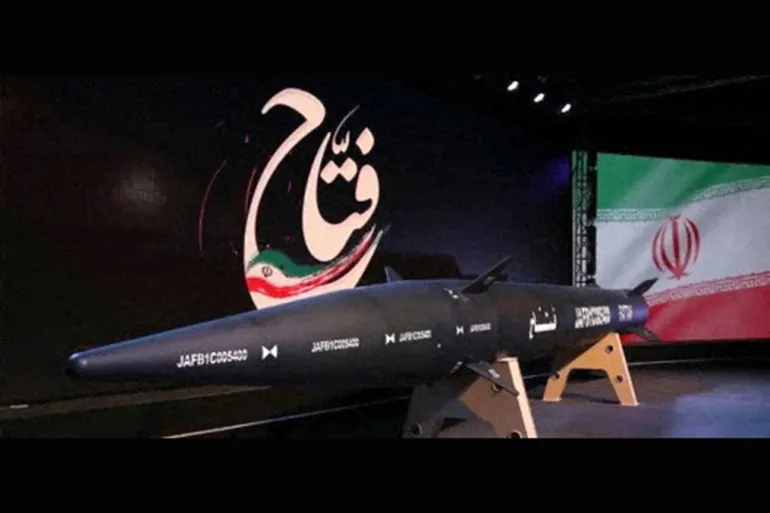
These Fattah hypersonic missile represent the cutting edge of Iran missile capabilities, making them a game-changer for regional security.
Iran Cruise Missiles: Stealthy Low-Altitude Threats
Complementing ballistic systems, Iran cruise missiles hug terrain for evasion:
- Soumar / Hoveyzeh Family: Turbojet-powered land-attack Iran cruise missiles with 700-1,350 km range. Sea-skimming and highly precise; some variants exceed 2,500 km.
- Additional systems like Ya-Ali, Quds, and Ra’ad add naval and air-launched options up to 3,000 km in select reports.
Iran cruise missiles enable persistent, hard-to-detect strikes alongside ballistic barrages.
Strategic Power & Global Implications of Iran Missile Arsenal
With over 3,000 Iran missile (including 2,000+ MRBM-capable), dispersed in underground silos and mobile launchers, Iran missile program ensures survivability and overwhelming firepower. Recent 2026 uses highlighted cluster warheads, hypersonic evasion, and saturation tactics. While Iran maintains no ICBM pursuit, its Iran missile arsenal covers every key regional target with precision.
The Iran missile range map—from SRBMs hitting Gulf neighbors to MRBMs reaching distant capitals—underscores its asymmetric strength. Solid-fuel tech, MaRVs, and HGVs keep the Iran missile program evolving rapidly.
In summary, Iran missile diverse list of Iran missiles positions it as a missile superpower. From viral Fateh launches to Sejjil parades and Fattah-2 hypersonic strikes, these Iranian ballistic missiles define modern deterrence.