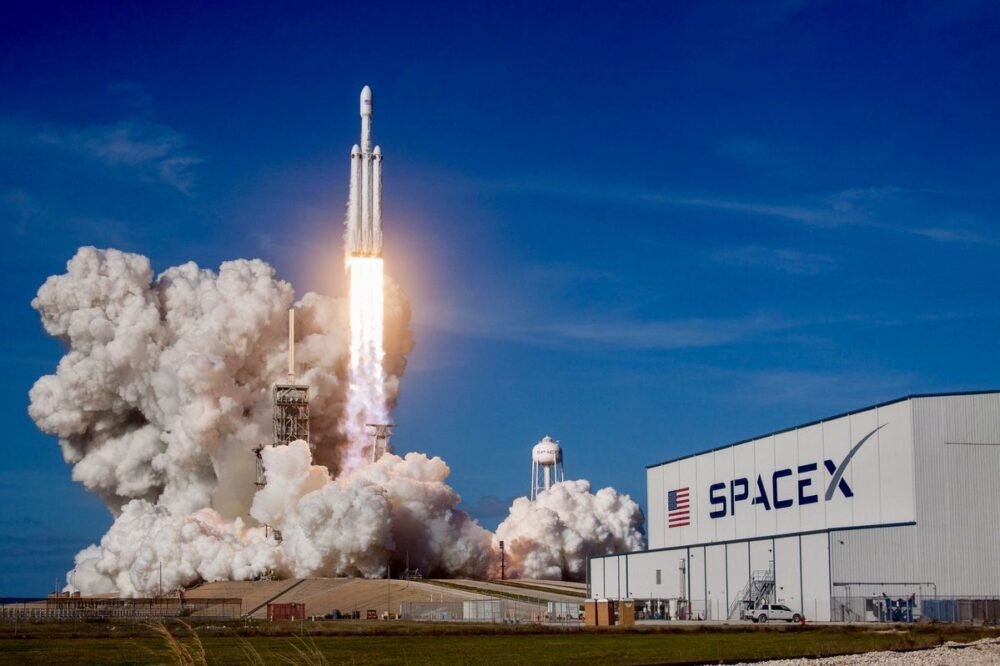







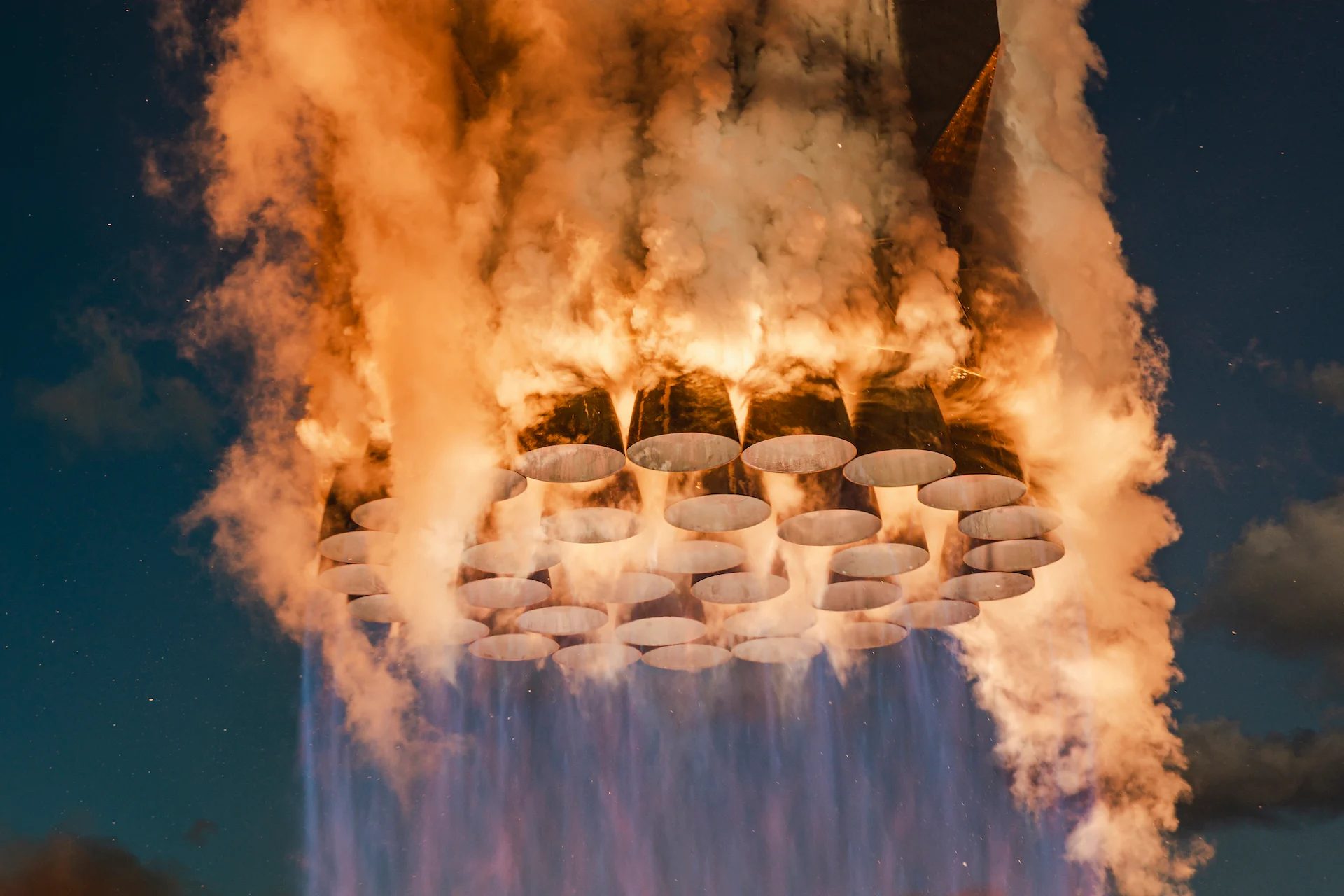
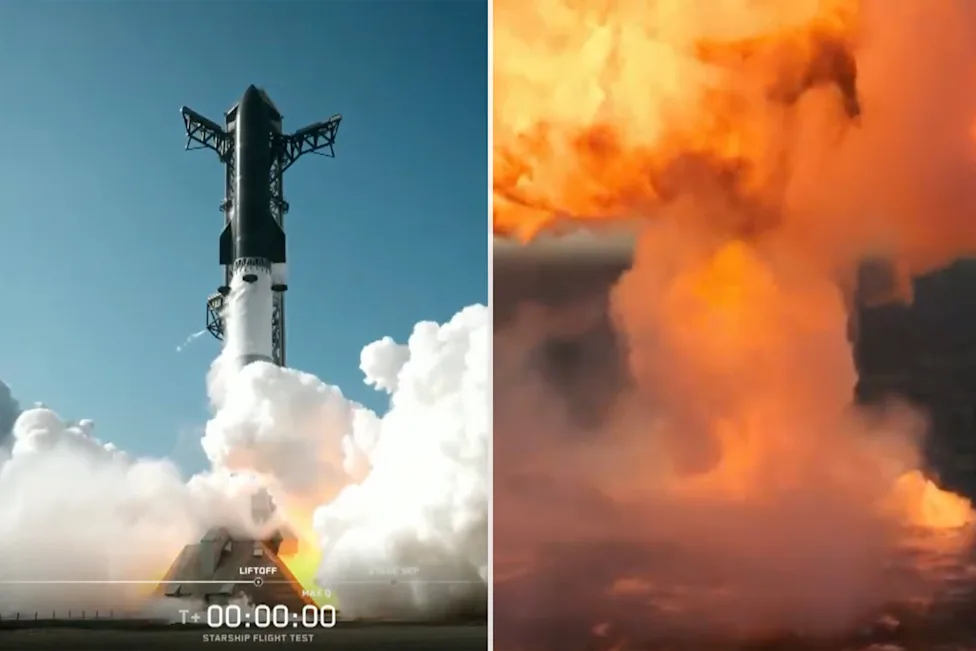
SpaceX has once again pushed the boundaries of space exploration with the successful SpaceX Starship V3 launch. On May 22, 2026, the most powerful rocket ever built lifted off from Starbase in South Texas on its 12th test flight, marking a major milestone for reusable rocket technology and future missions to the Moon and Mars.
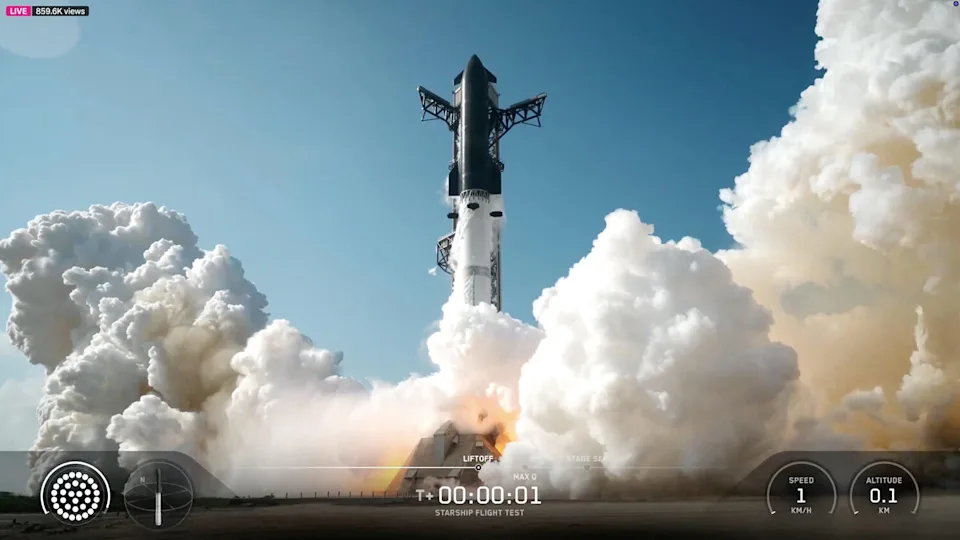
SpaceX Starship V3: A Complete Redesign for the Future of Space Travel
Starship V3 stands 408 feet tall and features significant upgrades over previous versions. Powered by 33 Raptor engines on the Super Heavy booster, it generates approximately 18 million pounds of thrust — making it the tallest and most powerful rocket in history. The redesigned interstage enables hot staging, while structural improvements prepare the vehicle for operational missions, including crewed flights, lunar landings, and eventual Mars voyages.
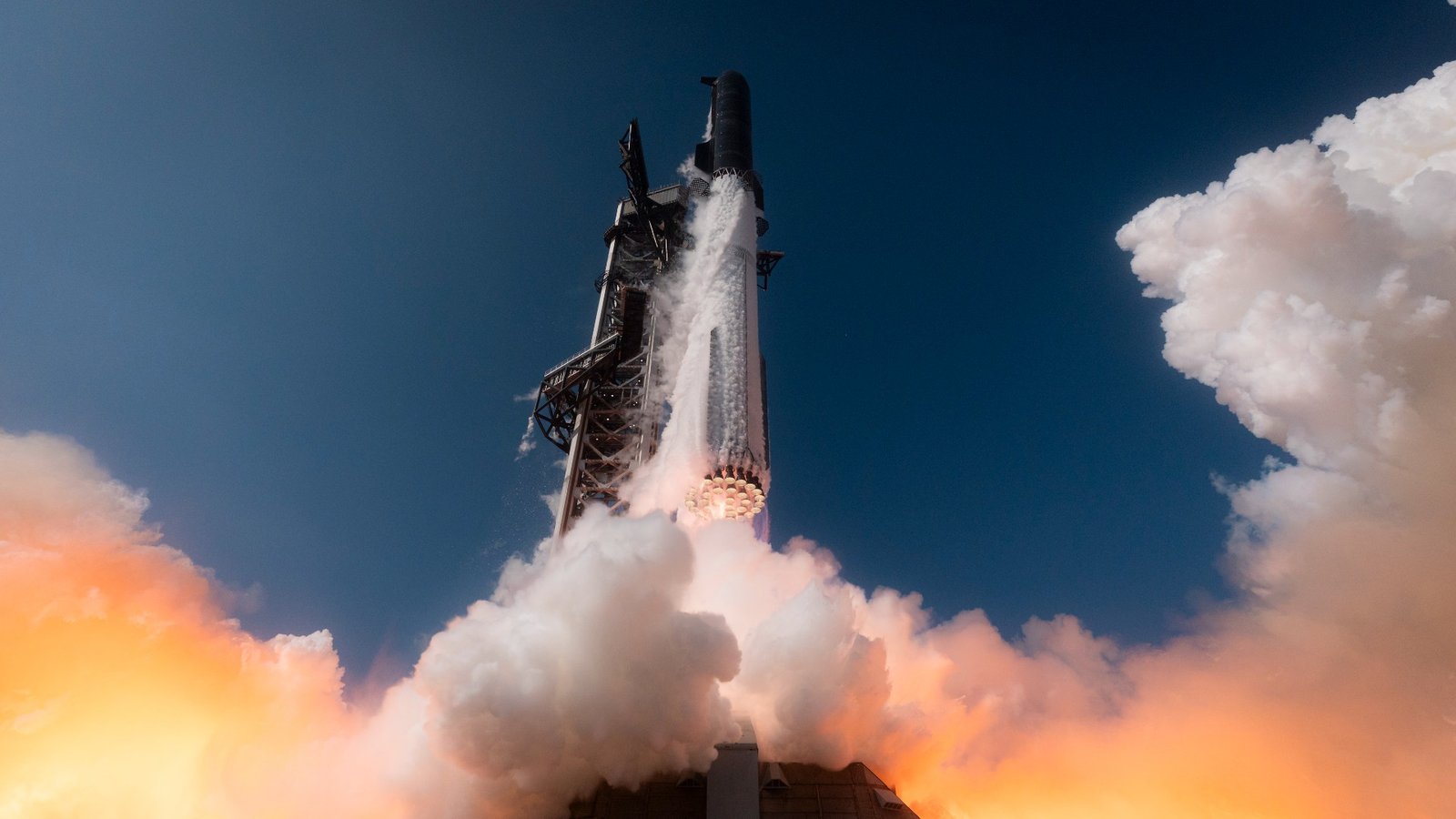
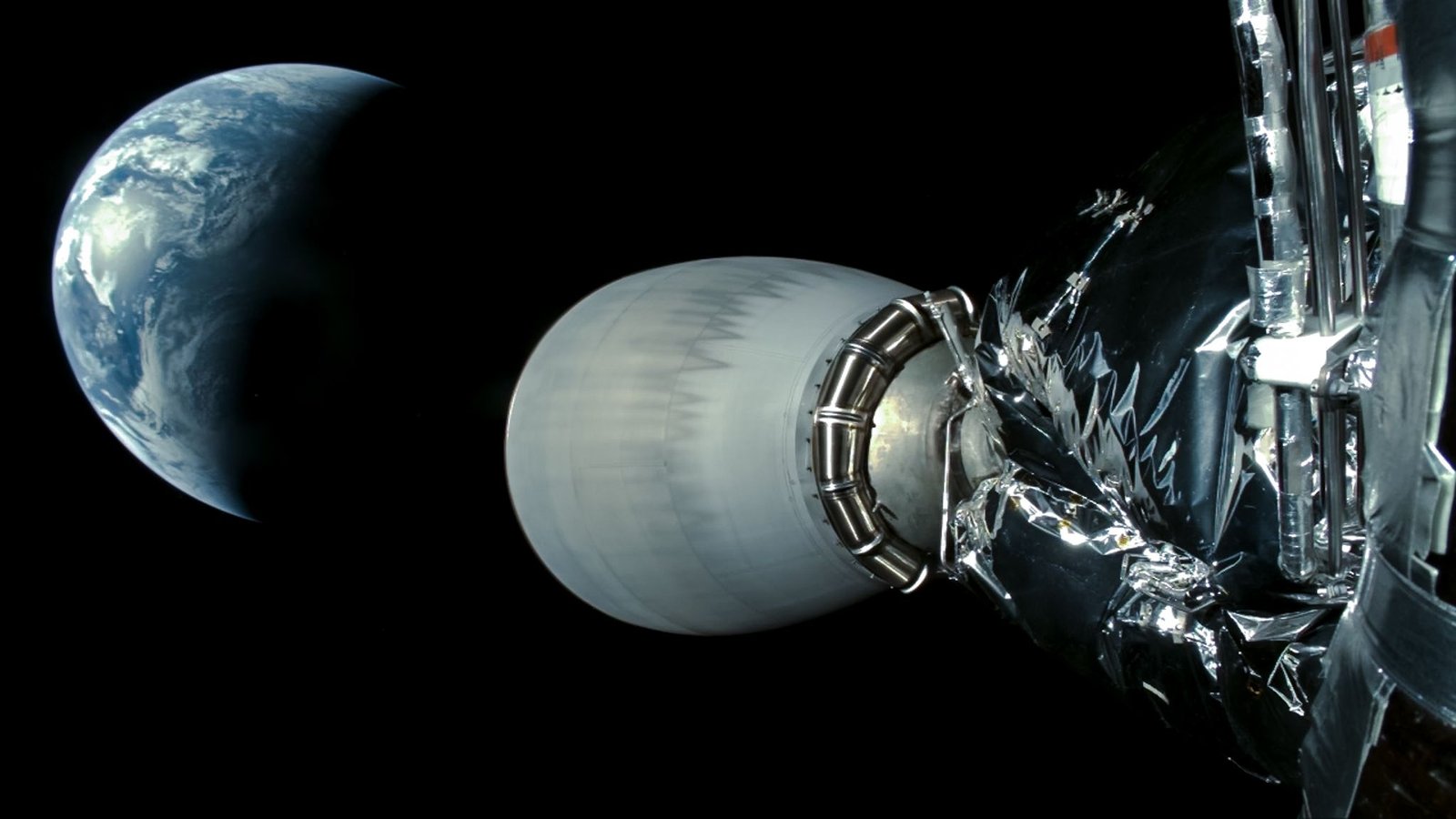
This SpaceX Starship test flight (Flight 12) was the first for the V3 configuration and the first launch in seven months. It carried a mix of dummy payloads and active Starlink satellites, including imaging-equipped ones designed to inspect the heat shield in space.
Also read:
SpaceX Starship Breakthrough: World’s Most Powerful Rocket
Mars Shortcut 153 Days: Asteroid 2001 CA21 Unlocks Fastest Round-Trip to Mars by 2031
Dramatic SpaceX Rocket Launch and Key Achievements
The SpaceX Starship V3 launch was a spectacular display of engineering. Despite one Super Heavy Raptor engine shutting down during liftoff and the booster failing to complete its full boostback burn (resulting in a controlled splashdown in the Gulf of Mexico), the upper stage successfully reached space. It deployed its payloads over a 10-minute window before beginning its descent.
SpaceX CEO Elon Musk celebrated the achievement on X: “Congratulations SpaceX team on an epic first Starship V3 launch & landing! You scored a goal for humanity.”
The upper stage (Ship 39) lost one engine during ascent but continued its suborbital trajectory with the remaining engines. It performed reentry maneuvers and a landing burn before a controlled ocean landing, providing valuable data for future improvements.
Challenges and Lessons from the Starship Test Flight
No test flight is without hurdles. The SpaceX Starship V3 experienced:
- Early booster engine shutdown
- Incomplete boostback maneuver
- One upper-stage engine loss during ascent
These issues prevented a planned in-space engine relight test but did not derail the mission’s core objectives. SpaceX engineers gathered critical data on structural performance, heat shield behavior, and payload deployment — all essential for perfecting the fully reusable Starship system.
Payload Success and In-Orbit Milestones
Among the 22 payloads were two real Starlink satellites equipped with cameras to monitor the rocket in space. The remaining dummy payloads (nicknamed “Dodger Dogs”) helped validate deployment procedures. These successes demonstrate SpaceX’s progress toward reliable satellite constellation deployment and deep-space operations.
Why This SpaceX Starship Launch Matters for NASA Artemis and Beyond
Starship is a cornerstone of NASA’s Artemis program, with Artemis 3 targeted for 2027. The vehicle will serve as a lunar lander, enabling sustainable human presence on the Moon and paving the way for crewed Mars missions. NASA officials, including Jared Isaacman, attended the launch and praised the progress.
This SpaceX Starship V3 test flight brings humanity one step closer to regular orbital flights, point-to-point Earth travel, and interplanetary exploration.
The Road Ahead for SpaceX Starship
With each test, SpaceX refines the technology that will revolutionize access to space. Future flights will focus on full orbital insertion, in-space refueling, tower catch landings, and crewed missions. The data from this most powerful rocket launch will accelerate those goals.
SpaceX Starship V3 has proven it can soar into orbit and deliver results even under challenging conditions — a testament to the relentless innovation driving the new space age.
Stay tuned for more updates on SpaceX rocket launches, Starship test flights, and the journey to Mars. What are your thoughts on this historic SpaceX Starship V3 milestone?