







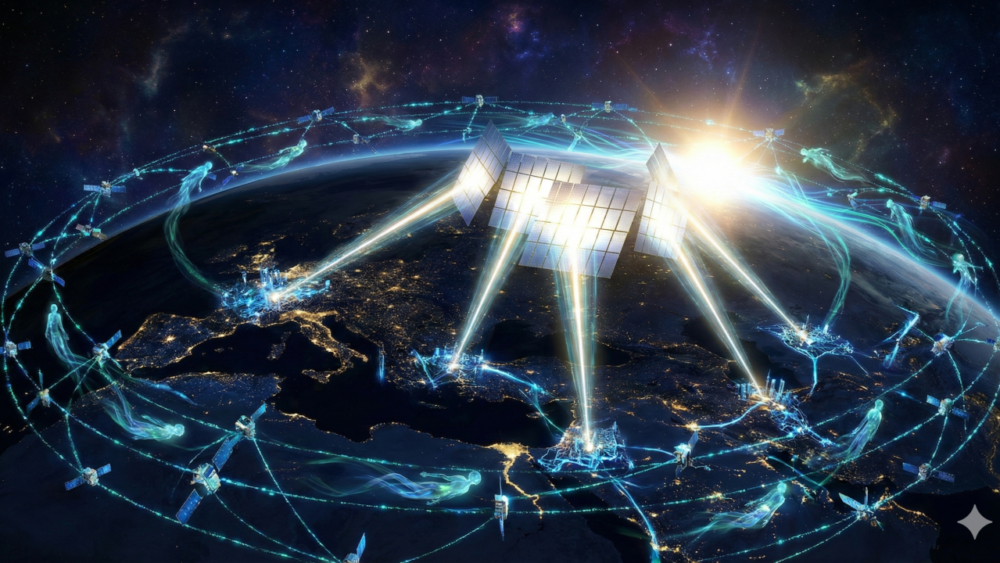
Space exploration and artificial intelligence are colliding in one of the most ambitious projects ever proposed. Elon Musk and SpaceX are moving forward with plans to deploy up to 1 million AI satellites in low Earth orbit. These satellites would function as a massive network of orbital data centers, harnessing constant solar power and the vacuum of space for cooling.
This initiative builds directly on the success of the Starlink constellation and next-generation Starlink V3 technology. It aims to address one of AI’s biggest bottlenecks: the exploding demand for electricity and physical space on Earth for data centers.

Elon Musk has described the project as a natural evolution of existing SpaceX technology. With SpaceX preparing for a major IPO and integrating efforts with xAI, the timing signals a strategic push into space-based computing infrastructure.
Why 1 Million AI Satellites? The AI Energy Crisis Driving the Plan
Global data centers already consume enormous amounts of electricity, and projections show demand could more than double by 2030 due to AI growth. Training and running advanced AI models requires vast amounts of power for servers and cooling systems that rely heavily on water and grid electricity.
Elon Musk and SpaceX argue that moving AI compute into orbit solves these problems at scale:
- Near-constant access to solar energy (no night, no weather, no grid constraints)
- Passive radiative cooling into the cold vacuum of space (no massive water usage)
- Minimal ongoing maintenance once deployed
- Massive scalability using Starship for high-volume launches
One analysis from SpaceX filings suggests that launching 1 million tons of satellites per year, each generating significant compute power, could add tens to hundreds of gigawatts of AI capacity annually with far lower environmental impact than terrestrial builds.
Technical Breakdown: How SpaceX AI Satellites Will Work
Each AI satellite is designed as a self-contained orbital data center node. Key specifications include:
- Power generation: Up to 150 kW peak and around 120 kW sustained output from large solar arrays (one design features wings spanning roughly 70 meters)
- Cooling: Advanced radiators that dissipate heat directly into space — dramatically more efficient than Earth-based liquid cooling systems
- Compute: Racks of high-performance chips (radiation-hardened for the space environment) capable of running AI workloads
- Connectivity: High-speed laser communication links forming a mesh network between satellites and connecting to ground stations or the existing Starlink constellation for low-latency data transfer
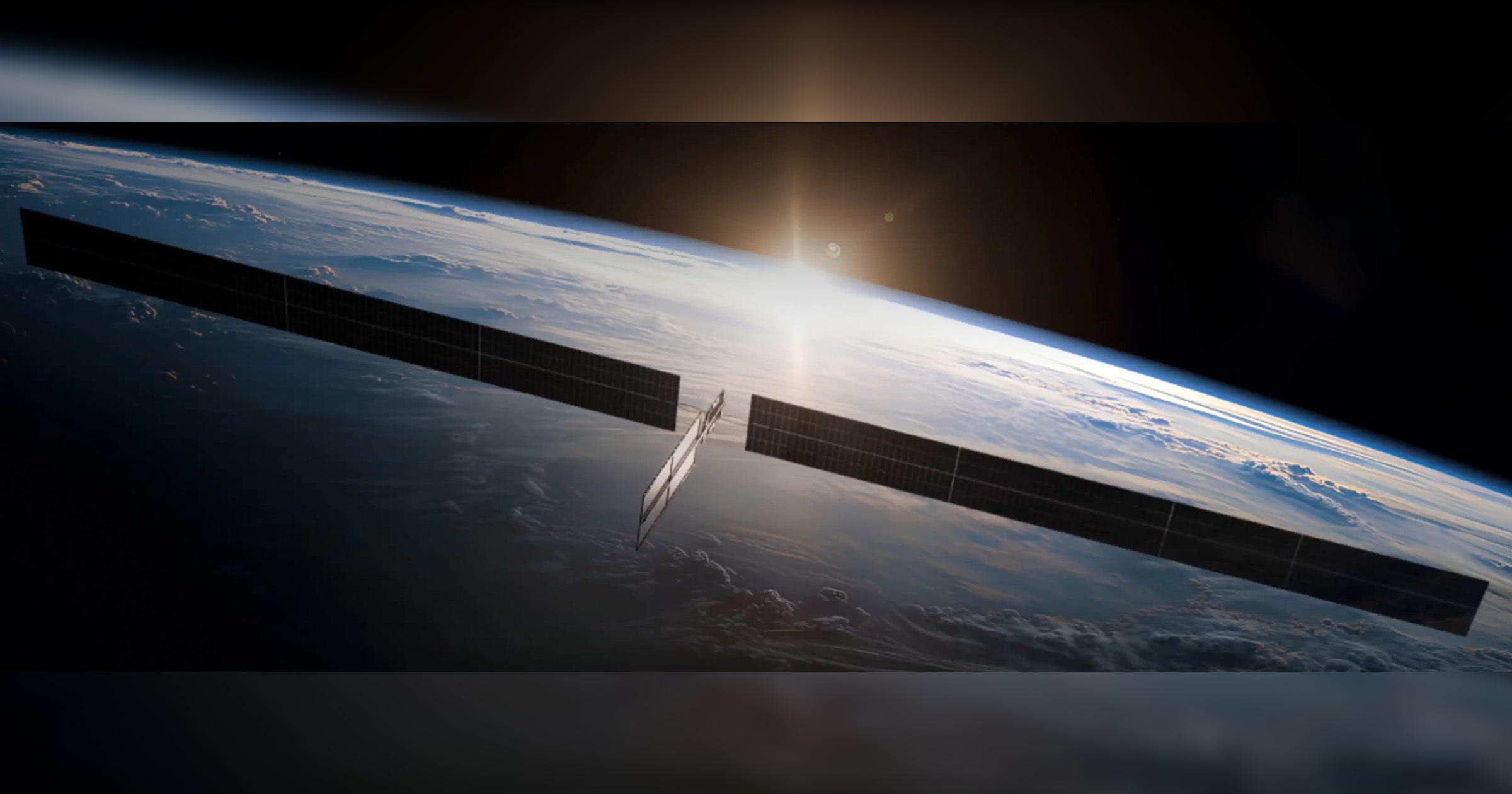
SpaceX emphasizes that much of the core technology — high-power solar arrays, laser links, and large satellite buses — already exists in the Starlink V3 satellites currently in development. Elon Musk has stated: “A lot of this technology, we’ve already made for the Starlink V3 satellites. Basically, we don’t think this is a super-hard problem, compared to things we already do.”

Production Ramp-Up: The Gigasat Factory and Starship Deployment
SpaceX plans to build a dedicated AI satellite production facility (internally referred to as the Gigasat factory) expected to begin operating at reasonable volume by the end of 2027. This hub would centralize manufacturing of the specialized satellites.
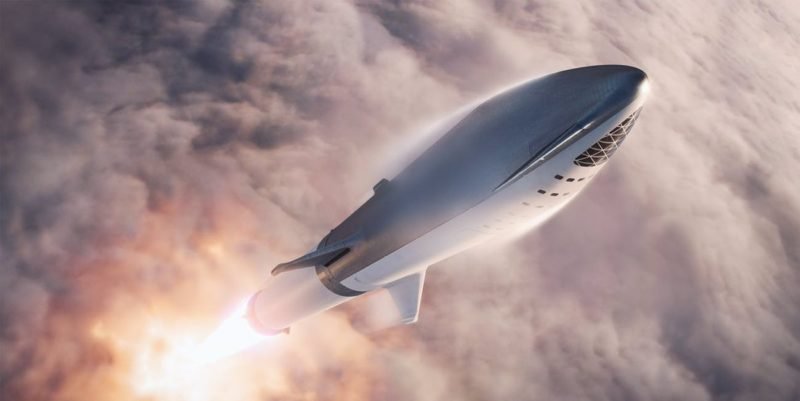
Initial demonstration launches are targeted for late 2027, with commercial-scale deployment ramping up in 2028 and beyond. Starship’s massive payload capacity and rapid reusability will be critical for deploying thousands of satellites per mission.
SpaceX currently operates over 10,000 Starlink satellites and has extensive experience managing large constellations safely — a key advantage cited by Elon Musk when addressing concerns about orbital crowding.
Major Benefits of Orbital AI Data Centers
1. Unlimited Clean Energy Satellites in orbit receive sunlight almost continuously. This eliminates dependence on terrestrial power grids that are already strained by AI demand.
2. Superior Cooling Efficiency Radiative cooling in space requires no water or energy-intensive chillers. This is a massive advantage as Earth-based data centers face growing water scarcity issues in many regions.
3. Global Low-Latency AI Access A well-connected mesh of laser-linked AI satellites could deliver high-performance inference and even training capabilities closer to users worldwide, potentially reducing latency for real-time AI applications.
4. Environmental and Land-Use Advantages Reduces pressure to build massive data centers on land, consume freshwater for cooling, or construct new power plants.
5. Scalability With Starship, SpaceX could theoretically add enormous compute capacity each year at declining marginal costs.

Addressing Concerns: Space Congestion, Astronomy, and Debris
Critics and astronomers have raised valid concerns about adding up to 1 million satellites to low Earth orbit. Potential issues include:
- Increased risk of collisions and space debris (Kessler syndrome concerns)
- Bright satellite streaks interfering with ground-based astronomy
- Light pollution affecting stargazing and scientific observations
Elon Musk has directly addressed the crowding issue: “There’s a lot of space up there, and so even when you’re talking thousands, or even — you know — up to a million satellites, yeah, you got plenty of room to move around up there. Space is really big, so it’s not like space is going to get crowded.”
SpaceX points to its proven automated collision avoidance systems used with the current Starlink fleet and plans for responsible deorbiting and disposal orbits. The company has a track record of working with the astronomy community on brightness mitigation for Starlink satellites.
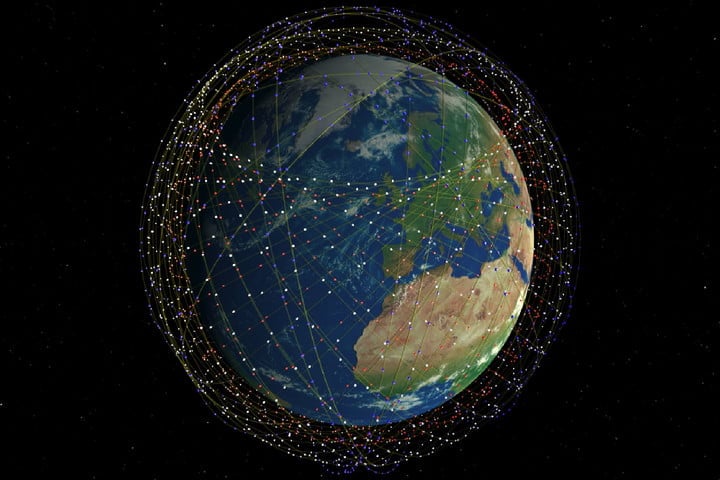
While challenges exist, SpaceX’s experience operating the world’s largest satellite constellation gives it unique credibility in managing these risks at scale.
What This Means for the Future of AI and Space
This project represents more than just another satellite constellation. It is a strategic bet that the lowest-cost, most scalable place for massive AI compute will eventually be in orbit. Integration with xAI suggests these orbital resources could directly support advanced models like Grok and future AI systems.
If successful, SpaceX’s 1 million AI satellites could help humanity take a meaningful step toward becoming a true spacefaring, energy-abundant civilization — what some call moving toward Kardashev Type II capabilities by harnessing solar power on a planetary scale.
Frequently Asked Questions
When will the first AI satellites launch? Demonstration launches are planned for late 2027, with broader commercial deployment targeted for 2028 and beyond.
How many satellites are currently planned? SpaceX has filed with the FCC for up to 1 million satellites operating as orbital data centers.
Will these satellites replace Starlink? No. They are designed to complement Starlink, potentially sharing laser links and infrastructure while focusing on high-performance computing rather than primarily consumer broadband.
What powers the satellites? Large solar arrays generating up to 150 kW peak power per satellite, with advanced radiators for cooling.
Is this technology feasible today? Elon Musk and SpaceX argue that most of the core technologies (solar power, laser comms, large satellite platforms) are already being proven with Starlink V3, making the leap to AI satellites more evolutionary than revolutionary.
Elon Musk and SpaceX are once again pushing the boundaries of what’s possible. The 1 million AI satellites plan combines space hardware expertise with the urgent needs of the AI industry in a way that could reshape both computing and humanity’s presence in space.
This is a developing story with major implications for technology, energy, astronomy, and geopolitics. Stay tuned as SpaceX moves from filings and concepts toward actual hardware and launches.