








The story of Ashab e Kahf (the Companions of the Cave), also known as the People of the Cave or the Seven Sleepers, is one of the most profound and awe-inspiring narratives in the Holy Quran. Found in Surah Al-Kahf (Chapter 18, verses 9–26), this true account reveals Allah’s absolute power over time, life, death, and resurrection. These young believers fled persecution, took refuge in a cave, and by Allah’s command slept for three hundred years and nine more — yet when they awoke, they felt as if they had slept only for a day or part of a day.
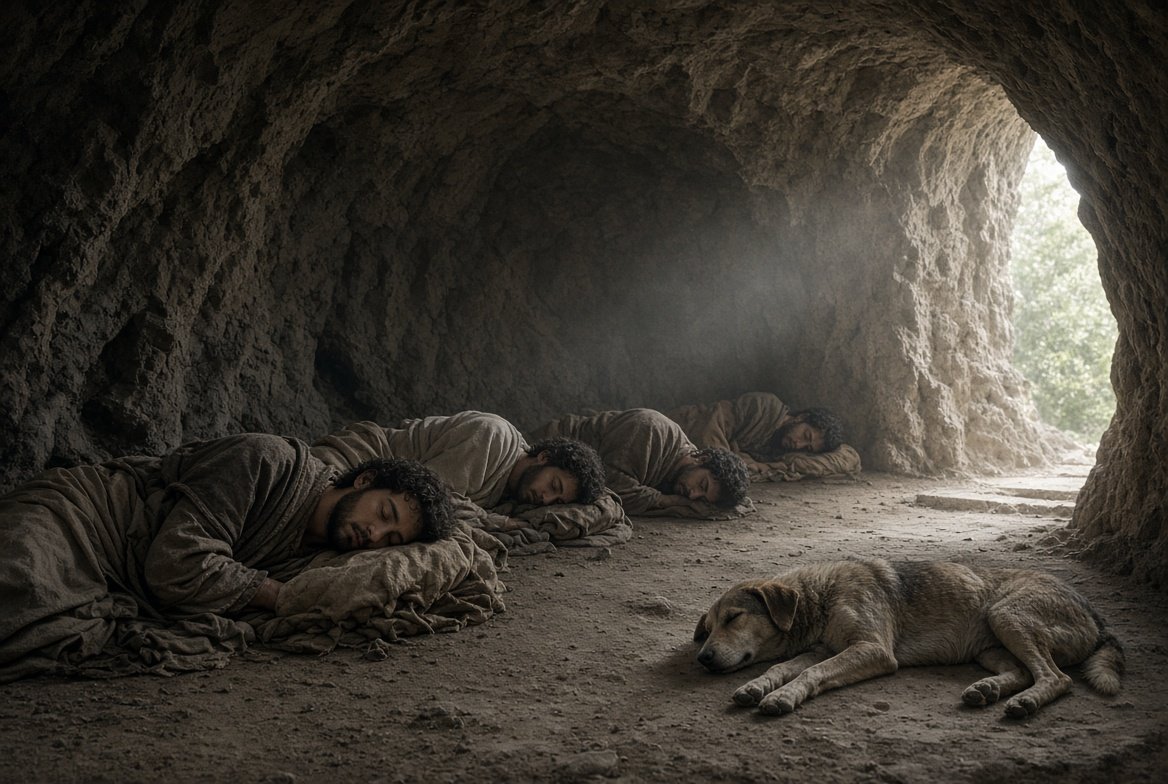
This miraculous event serves as a clear sign (ayah) for humanity, strengthening belief in the Hereafter and showing that time itself is under Allah’s control.
Background: Faith Under Persecution
The Ashab e Kahf were a group of young men living in a society dominated by idol worship and a tyrannical ruler who demanded complete submission to false gods. Historical traditions often place this during the Roman era under a king known as Decius (or similar), though the Quran itself does not name the ruler or exact location, focusing instead on the spiritual truth.
These youths had pure faith in the One God — the Lord of the heavens and the earth. When the pressure to commit shirk (associating partners with Allah) became unbearable, they chose faith over safety. Allah says:
“Indeed, they were youths who believed in their Lord, and We increased them in guidance. And We made firm their hearts when they stood up and said, ‘Our Lord is the Lord of the heavens and the earth. Never will we invoke besides Him any deity…’” (Surah Al-Kahf 18:13-14)
They openly rejected the idols of their people, declaring that inventing lies against Allah is the greatest injustice. Fearing for their lives, they decided to withdraw.

Seeking Refuge in the Cave
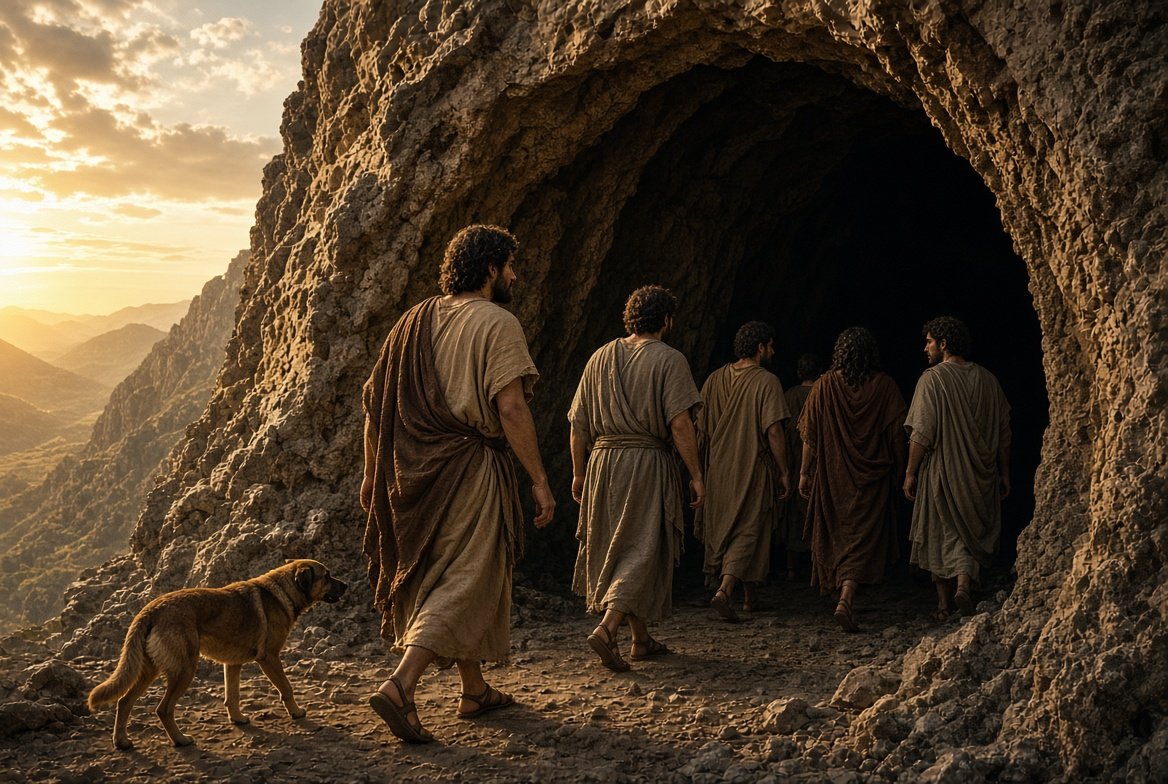
The young men said to one another: “When you have withdrawn from them and that which they worship other than Allah, retreat to the cave. Your Lord will spread out for you of His mercy and will prepare for you from your affair facility.” (18:16)
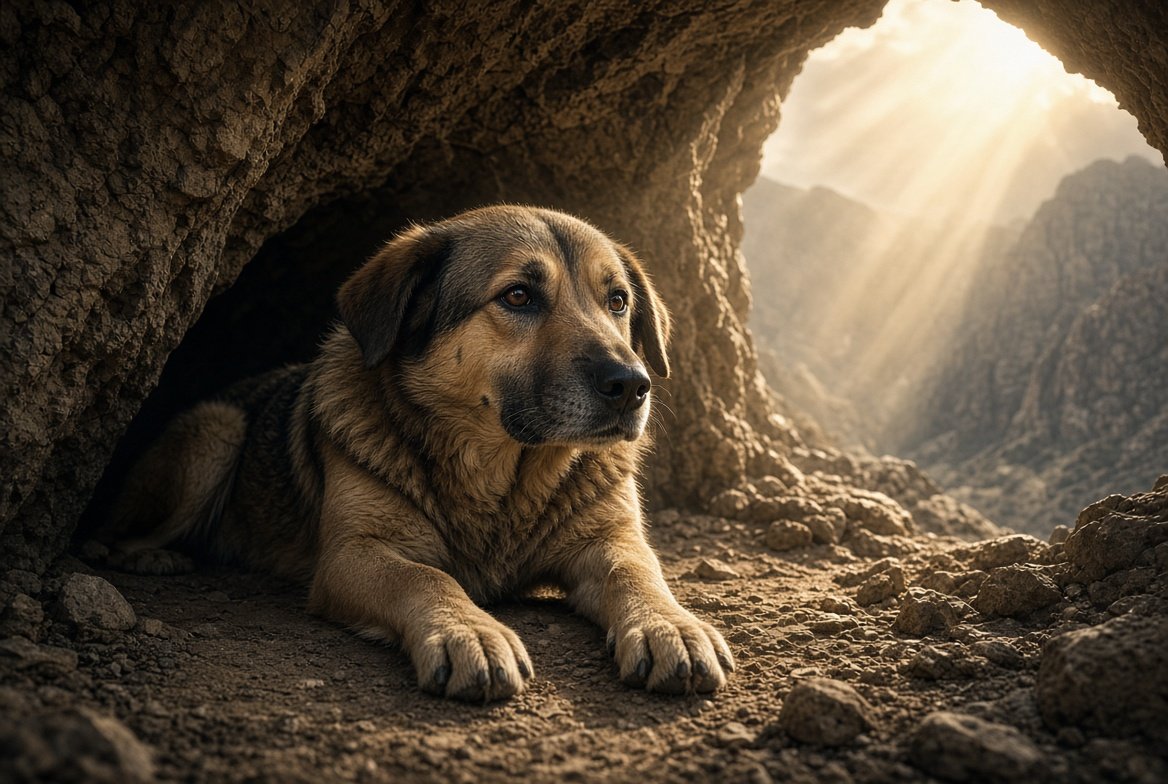
They entered a spacious cave (kahf) in a mountain. With them was their faithful dog, known in Islamic tradition as Qitmir. The dog stretched its forelegs at the entrance (al-wasid), remaining on guard.

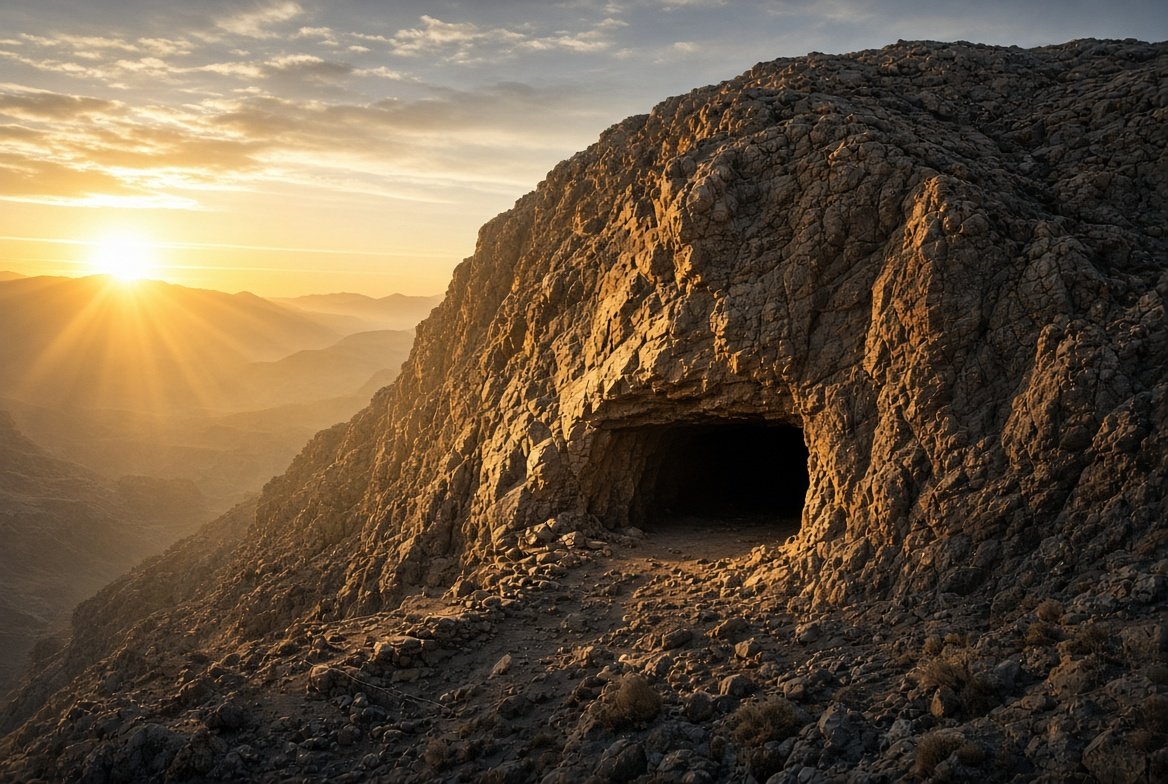
Allah responded to their sincere prayer for mercy and right guidance by casting a deep, protective sleep over them:
“So We cast [a cover of sleep] over their ears within the cave for a number of years.” (18:11)

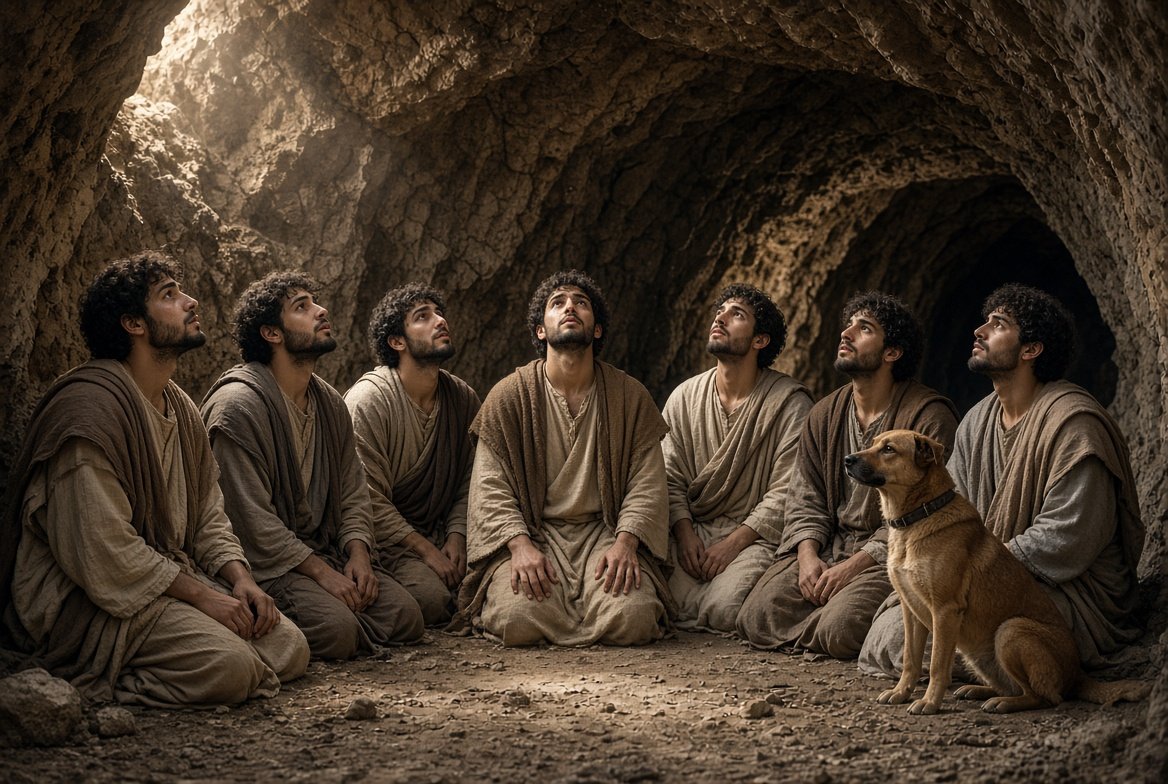
The Miracle of the Long Sleep – 300 Years + 9
Allah preserved them completely. The Quran describes the scene with striking detail:
- The sun, when it rose, inclined away from their cave to the right, and when it set, it passed away from them to the left. They lay in an open space inside the cave, protected from direct harsh sunlight.
- Allah turned them on their right and left sides so their bodies would not decay.
- Anyone who saw them would have fled in terror, thinking they were awake, though they were deeply asleep.
- Their dog remained at the threshold with its paws stretched out.

Throughout this vast span of time — generations were born and died, empires rose and fell, and the world around them transformed — the Ashab e Kahf experienced nothing. Their bodies remained intact, their youth preserved. Time passed, but for them it did not.

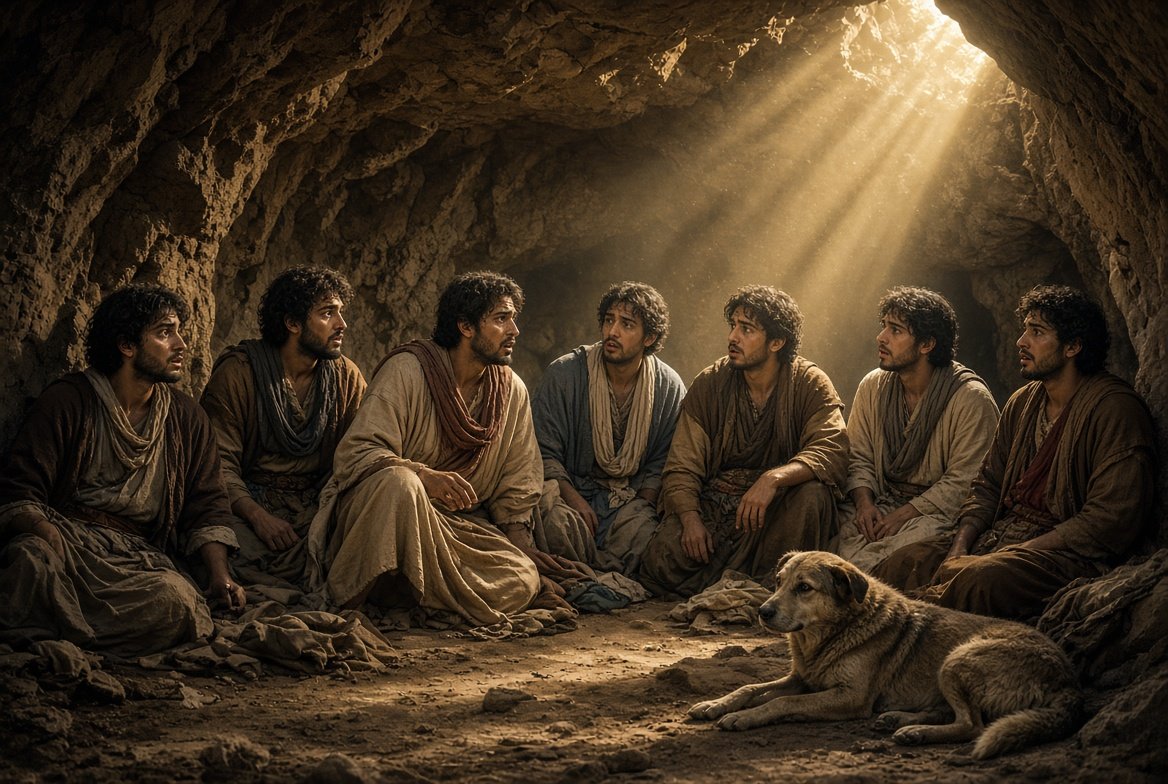
Waking Up: “We Have Remained a Day or Part of a Day”
After the decreed period, Allah awakened them:
“Then We awakened them that We might show which of the two parties was most precise in calculating what [extent] they had remained in time.” (18:12)
They sat up and asked one another: “How long have you remained here?” One replied: “We have remained a day or part of a day.” Then they wisely said: “Your Lord is most knowing of how long you remained.” (18:19)

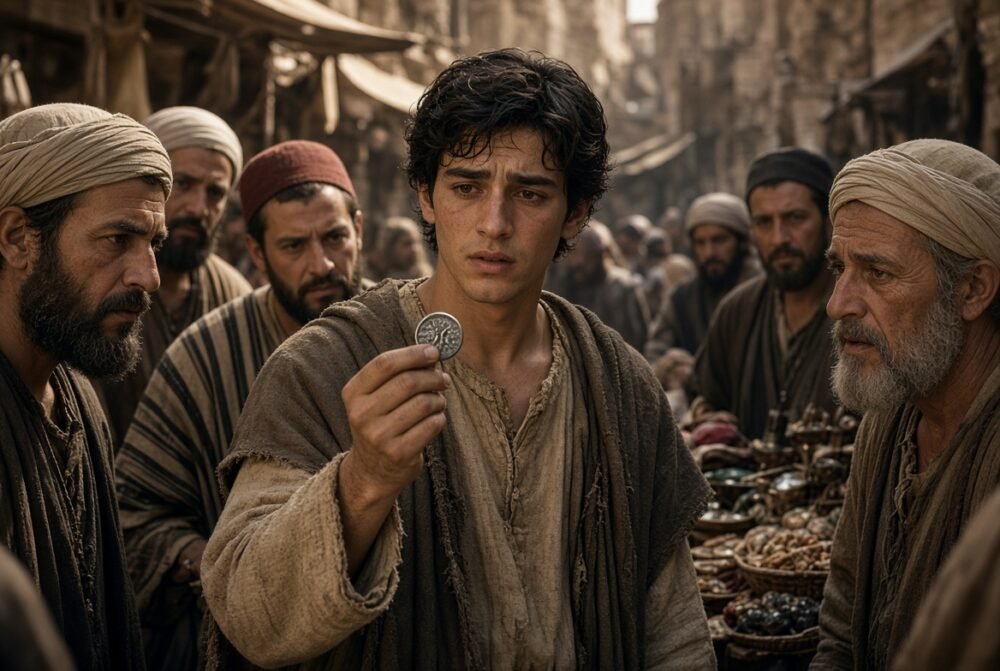
They felt no hunger during the long sleep, yet upon waking they felt the need for food. One of them was sent to the city with the old silver coins they still carried to buy pure food. The ancient currency immediately revealed the miracle. The people of the city — now living in a completely different era where monotheism had spread — were astonished. The young man’s story led them back to the cave, and the truth of Allah’s promise became clear to everyone.

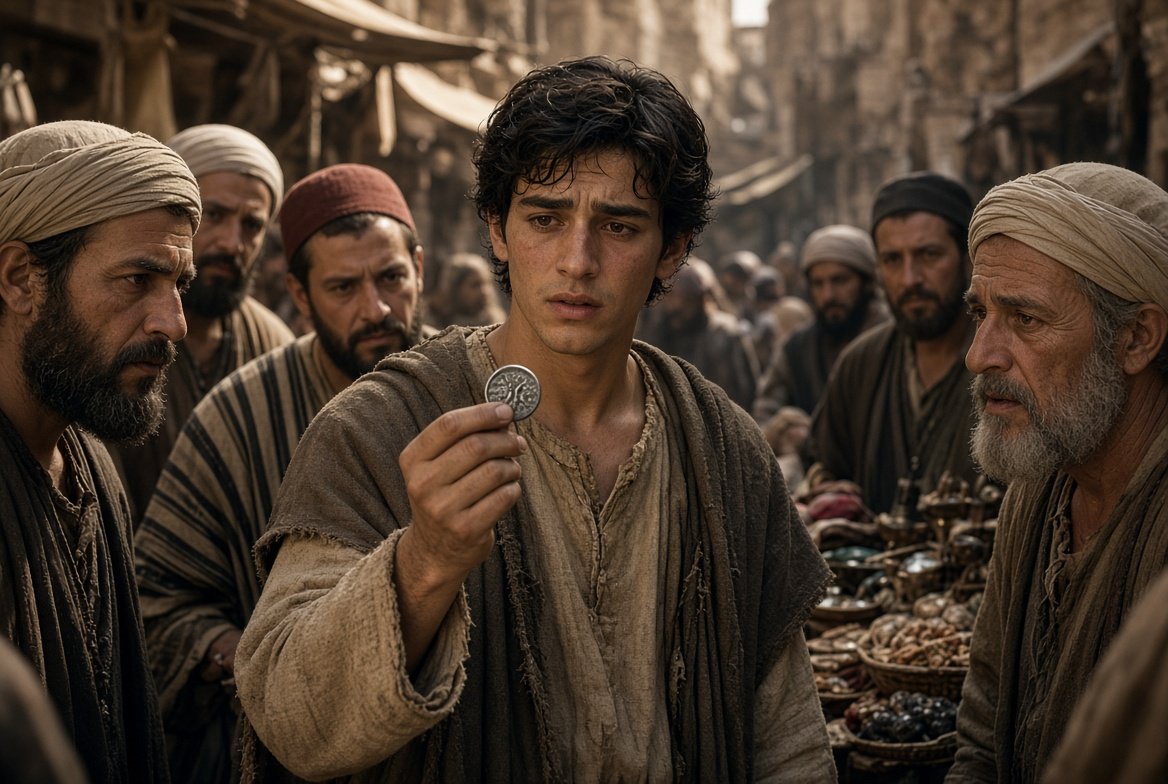
Allah caused them to be discovered so that people would know with certainty that “the promise of Allah is truth and that of the Hour there is no doubt” (18:21). After the sign was established, the youths returned to Allah in their natural time.
How Many Were the Ashab e Kahf?
People disputed their number. Some said three, the fourth being their dog; others said five, the sixth their dog; and others said seven, the eighth their dog. Allah instructs:
“Say, ‘My Lord is most knowing of their number. None knows them except a few.’ So do not argue about them except with an obvious argument and do not inquire about them among [the people of] the scripture.” (18:22)
The majority of classical scholars, based on reports from the Companions, lean toward seven youths plus the dog Qitmir. The Quran deliberately leaves the exact number with Allah, teaching us not to waste energy on secondary details while missing the greater lessons.
The Role of the Dog Qitmir
The dog is mentioned with honor. It remained loyal, guarding the entrance throughout the centuries. In Islamic tradition, Qitmir is regarded as one of the few animals that will enter Paradise because of its companionship with the righteous. Its presence shows that even animals can share in the blessings of those who believe.
Profound Lessons from the Story of Ashab e Kahf
- Firmness in Faith – Young people can stand firm against an entire society when their hearts are strengthened by Allah.
- Divine Protection – When believers take the first step toward Allah, He provides unexpected means of protection.
- Time Belongs to Allah – Three centuries felt like a short nap. This demonstrates that the Day of Judgment and resurrection are easy for the One who controls time.
- Resurrection is Real – Their preserved bodies and sudden awakening mirror how Allah will raise the dead.
- Avoid Useless Arguments – Focus on what benefits the heart rather than debating unknowns.
- Trust in Allah’s Plan – What appears as loss (fleeing to a cave) became an eternal sign for humanity.
Possible Locations
While the Quran does not specify the place, traditional sites associated with the Cave of the Seven Sleepers or Ashab e Kahf include locations near Ephesus (modern Turkey), Tarsus, Afşin, and other places in the region. Pilgrims still visit these caves, reflecting the enduring impact of the story. The exact location is secondary to the spiritual message.
Why This Story Matters Today
In an age of rapid change, material pressure, and challenges to faith, the Ashab e Kahf remind us that true safety lies in turning to Allah. Their story is especially recommended for reflection every Friday, as the Prophet Muhammad (peace be upon him) encouraged reading Surah Al-Kahf weekly for protection from the trials of the end times.
The People of the Cave slept through centuries yet remained young in faith and body. When they opened their eyes, the world had changed — but their Lord had not. That is the ultimate comfort for every believer facing hardship: Allah’s protection can transcend time itself.
Keywords highlighted throughout: Ashab e Kahf, People of the Cave, Seven Sleepers, Surah Al-Kahf, slept for 300 years, 309 years, Qitmir, divine sleep, Quranic miracle, Companions of the Cave.
May Allah increase us in guidance as He increased the Ashab e Kahf, and may He grant us firm hearts in times of trial. Ameen.