





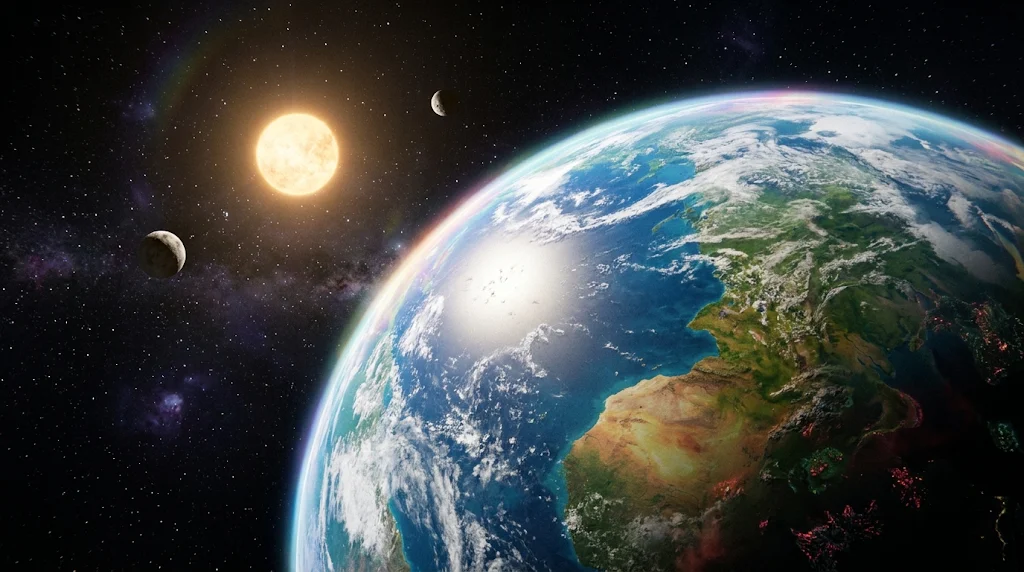
Scientists have confirmed over 6,000 exoplanets, yet a true Earth twin planet — a rocky world of similar size orbiting a Sun-like star in the perfect habitable zone — remains elusive. In 2026, researchers identified 45 rocky potentially habitable planets as the best targets for life, bringing us closer than ever to finding planets similar to Earth.
These Earth-like exoplanets sit in the “Goldilocks zone,” where temperatures allow liquid water to exist on the surface. While none is an exact match for our home, several stand out as the strongest candidates.
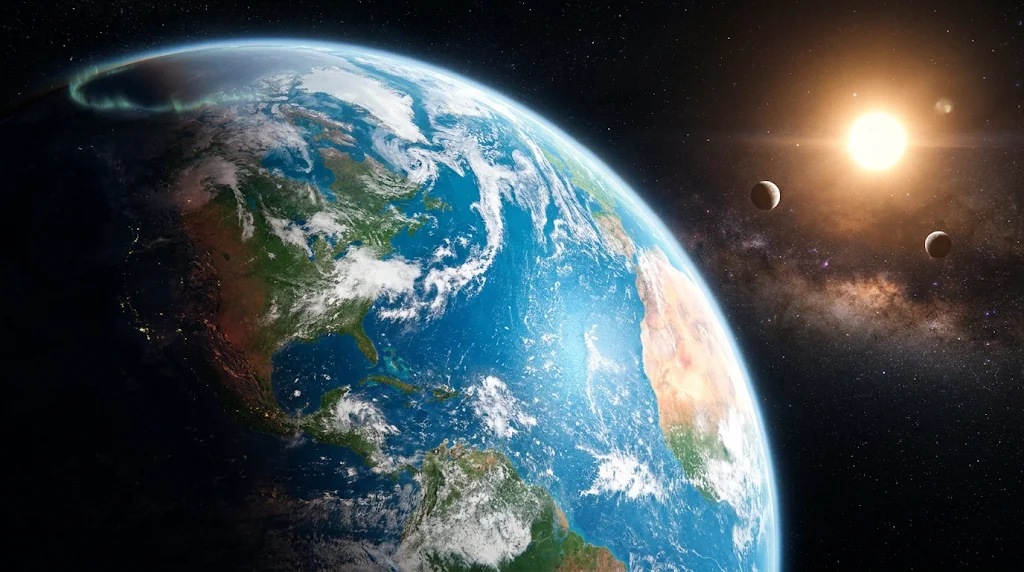
What Makes a Planet an Earth Twin?
An Earth twin is defined by key traits:
- Rocky composition (not a gas giant)
- Size close to Earth (roughly 0.5–1.5 Earth radii)
- Location in the habitable zone of its star
- Potential for an atmosphere and liquid water
Most current candidates orbit red dwarf stars rather than Sun-like stars. Red dwarfs are smaller and cooler, so their habitable zone lies much closer to the star. This creates challenges such as tidal locking and stellar flares, but it also makes these worlds easier to detect.
Closest Earth-Like Exoplanet: Proxima Centauri b
The nearest Earth-like exoplanet is Proxima Centauri b, located just 4.24 light-years away. It orbits the closest star to our Solar System and has a minimum mass of about 1.07–1.3 times Earth’s. It sits squarely in the habitable zone and receives roughly the same amount of stellar energy as Earth.
Because its host is a red dwarf, Proxima Centauri b completes an orbit in only 11.2 days. While it remains one of the most promising nearby targets, intense flares from its star could strip away its atmosphere — a key question future telescopes aim to answer.
Kepler-452b – Earth’s Famous Cousin
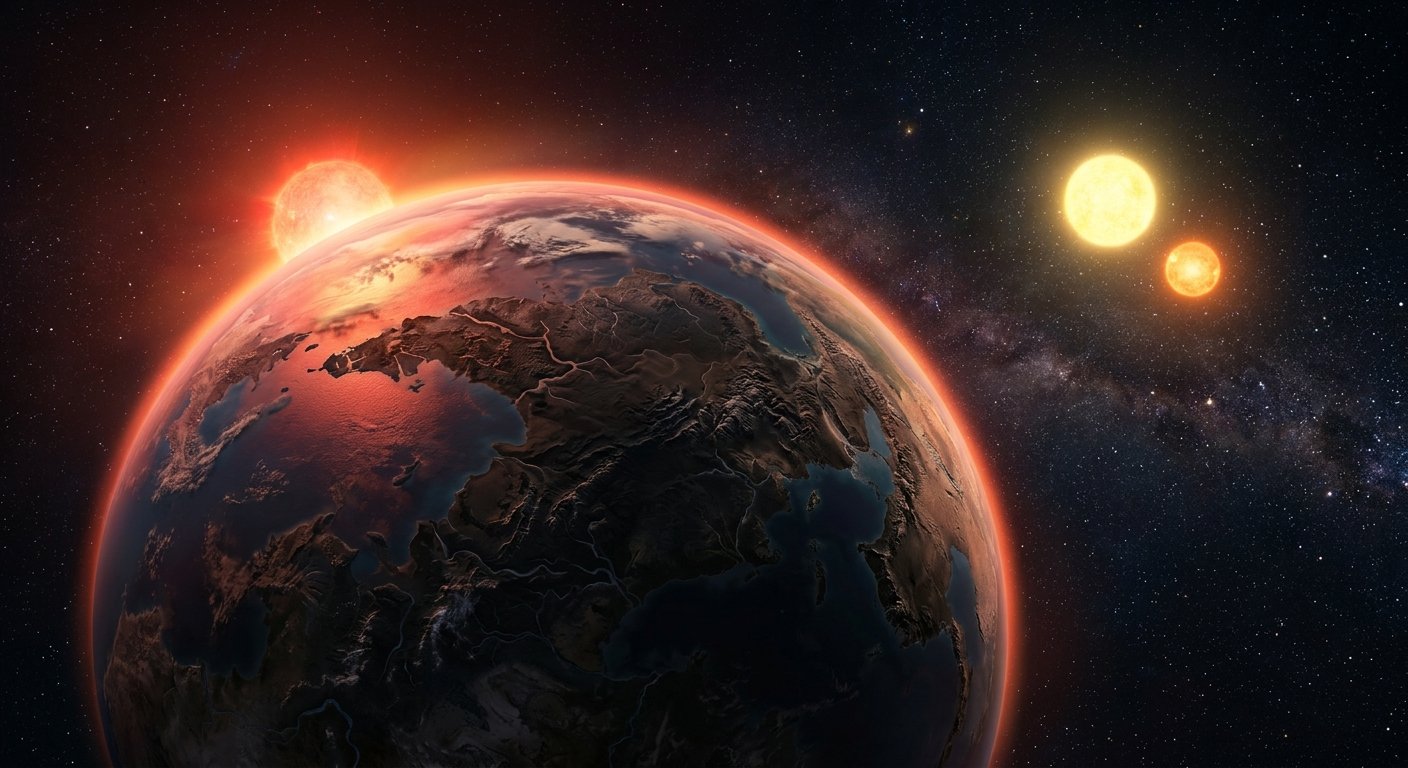
Often called “Earth’s cousin,” Kepler-452b orbits a star very similar to our Sun at about 1.04 AU — nearly the same distance as Earth. It is roughly 1.6 times Earth’s radius and lies about 1,400 light-years away.
Kepler-452b receives only slightly more energy than Earth, placing it near the inner edge of the habitable zone. Its larger size suggests higher gravity, which could help retain a thick atmosphere. Although later studies debated its exact status, it remains one of the best-known examples of a planet orbiting a Sun-like star in a temperate zone.
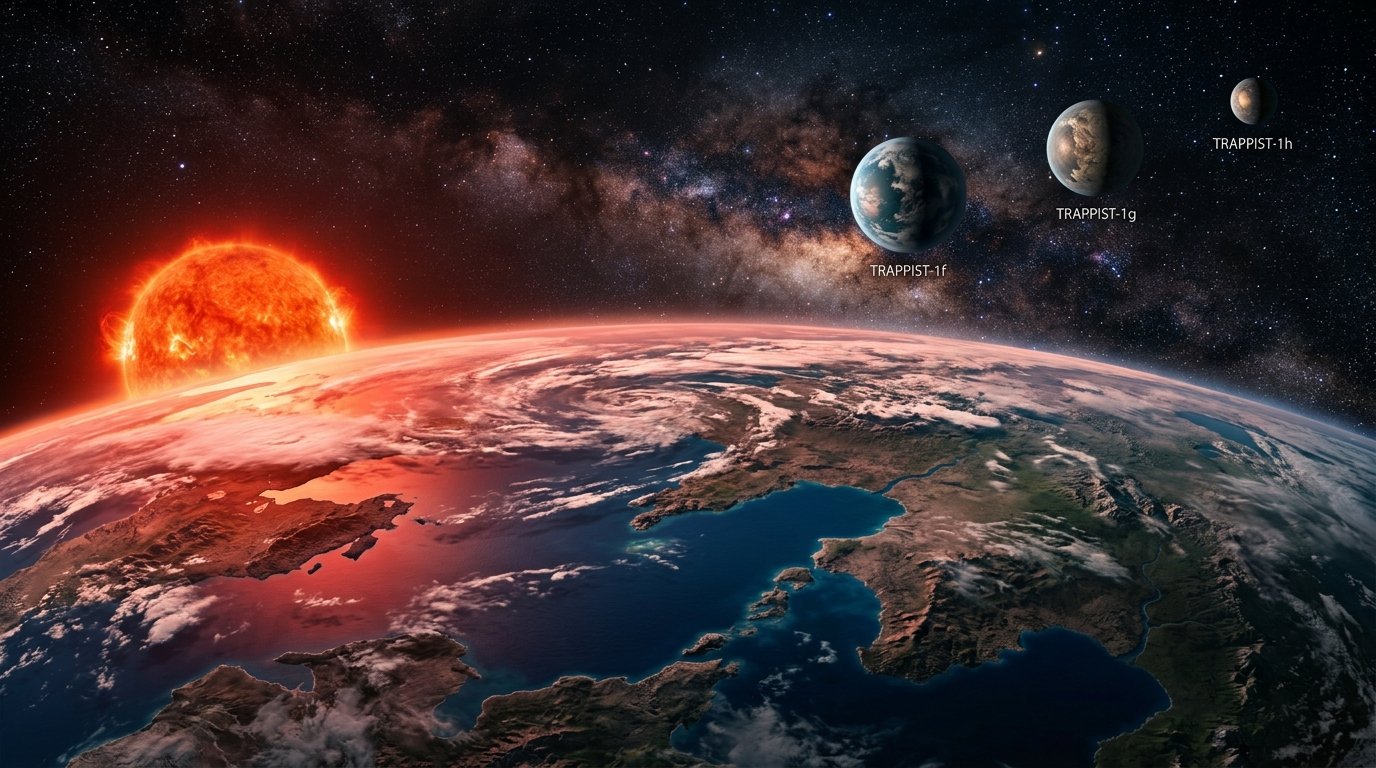
The TRAPPIST-1 System: Multiple Habitable Zone Worlds
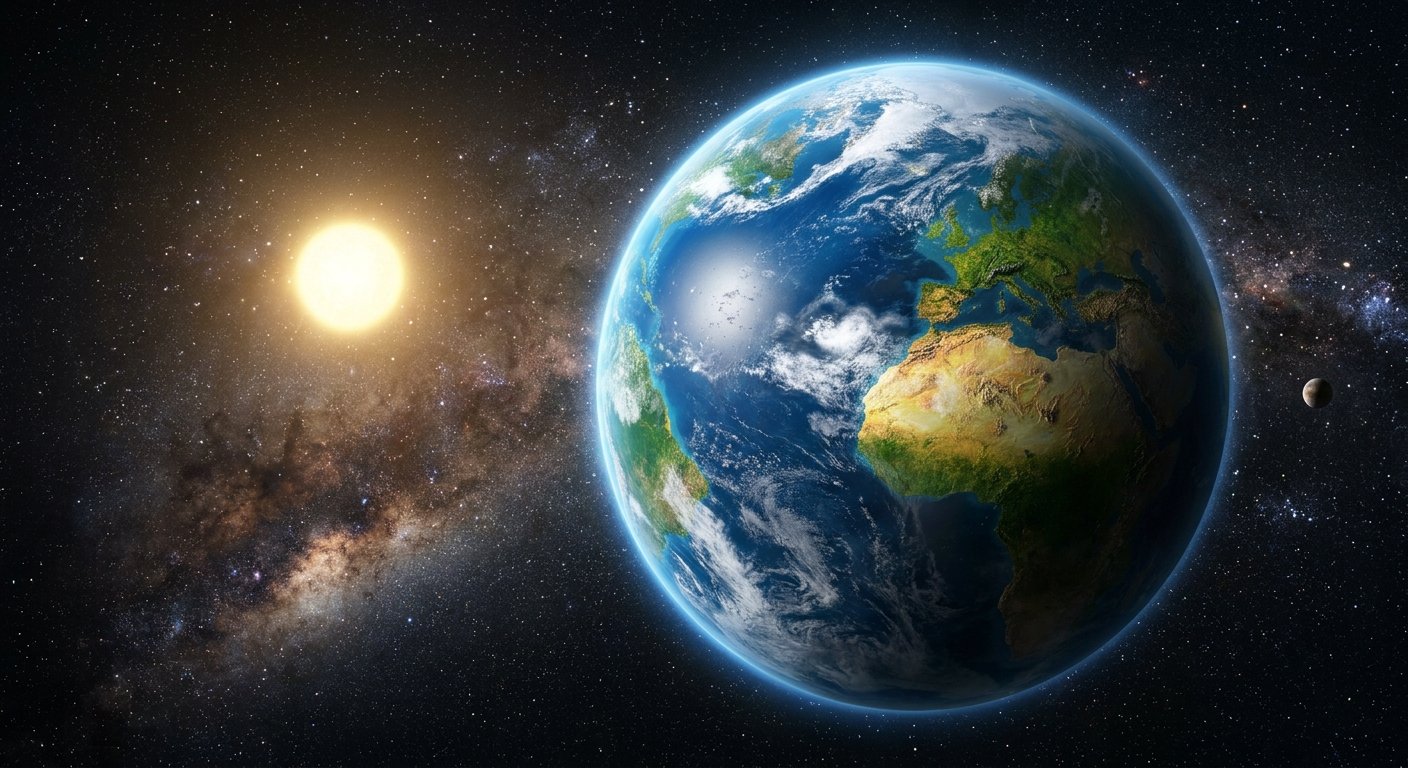
The TRAPPIST-1 system, 40 light-years away, hosts seven rocky planets — several of which (especially TRAPPIST-1 e, f, and g) lie in the habitable zone. These worlds are Earth-sized or slightly smaller and packed tightly around an ultracool red dwarf.
TRAPPIST-1 e is frequently ranked among the highest-priority targets because it receives stellar energy similar to Earth. The system’s proximity and multiple planets in the temperate zone make it a prime laboratory for studying whether rocky worlds can hold atmospheres and liquid water.
Top Contenders from the 2026 Habitable Planets List
A major 2026 study highlighted 45 rocky planets in the habitable zone as the best places to search for life. Standout Earth-like exoplanets include:
- Teegarden’s Star c and GJ 1061 d — among the highest Earth Similarity Index scores and relatively nearby
- LHS 1140 b (48 light-years) — a potential water world with a detected helium atmosphere
- TOI-700 d and e — Earth-sized planets in a quiet, stable system
- Kepler-442b and Kepler-186 f — classic high-similarity candidates from the Kepler era
These worlds form the core of the real-life “Project Hail Mary” target list for future observations with the James Webb Space Telescope and upcoming missions like the Habitable Worlds Observatory.
Challenges in Finding True Earth Twins
Detecting a perfect Earth twin planet is extremely difficult. Earth-sized worlds around Sun-like stars produce tiny signals, and their atmospheres are hard to study. Most confirmed habitable exoplanets orbit red dwarfs, where habitability remains uncertain due to radiation and tidal locking.
New tools — including better climate models of Earth’s own history and next-generation telescopes — are improving our ability to identify which of these potentially habitable planets could actually support life.
The universe likely contains billions of planets similar to Earth. The ones we have found so far are the first steps toward answering whether we are alone.
Call to Action: Want more space discoveries? Explore related articles on exoplanets, NASA missions, and the search for alien life on Universe Discovery.