






📰 Introduction: Why “World War 3” Is Trending Again

In recent months, discussions about a potential World War 3 have surged across media platforms. From geopolitical tensions to regional conflicts, many people are asking: Are we heading toward another global war?
However, while concerns are real, experts emphasize the importance of understanding facts rather than reacting to fear. As of mid-2026, multiple flashpoints exist, but major think tanks like the Council on Foreign Relations (CFR) and International Crisis Group assess that while risks of escalation are elevated, full-scale global war remains unlikely due to economic interdependence, nuclear deterrence, and active diplomacy.
In this article, we will break down the latest global developments in 2026, analyze expert opinions, and explore whether the world is truly at risk.
🌐 Key Global Conflicts Raising Concerns
Russia–Ukraine War Continues

The ongoing conflict between Russia and Ukraine remains one of the biggest global concerns.
- Prolonged military engagements, with both sides conducting strikes on infrastructure and energy facilities
- Continued international sanctions affecting global food and energy markets
- NATO involvement increasing tensions through military aid and training support
👉 Why it matters: This conflict has drawn global powers into indirect confrontation, raising fears of escalation. By 2026, the war has caused massive casualties and displacement, while also straining Russia’s economy and testing Western unity. Any direct NATO-Russia clash, even accidental, could rapidly broaden the conflict
China–Taiwan Tensions

Meanwhile, tensions between China and Taiwan continue to rise.
- Military drills near Taiwan, including large-scale air and naval exercises
- Strong political statements from both sides and increased gray-zone activities (such as incursions into Taiwan’s air defense zone)
- Global concern over semiconductor supply chains, as Taiwan produces a majority of the world’s advanced chips
👉 Key insight: Any escalation here could have worldwide economic and military consequences. A crisis in the Taiwan Strait is rated as one of the highest-impact contingencies for 2026 by U.S. experts, potentially drawing in the United States, Japan, and other allies
🌍 Middle East Instability

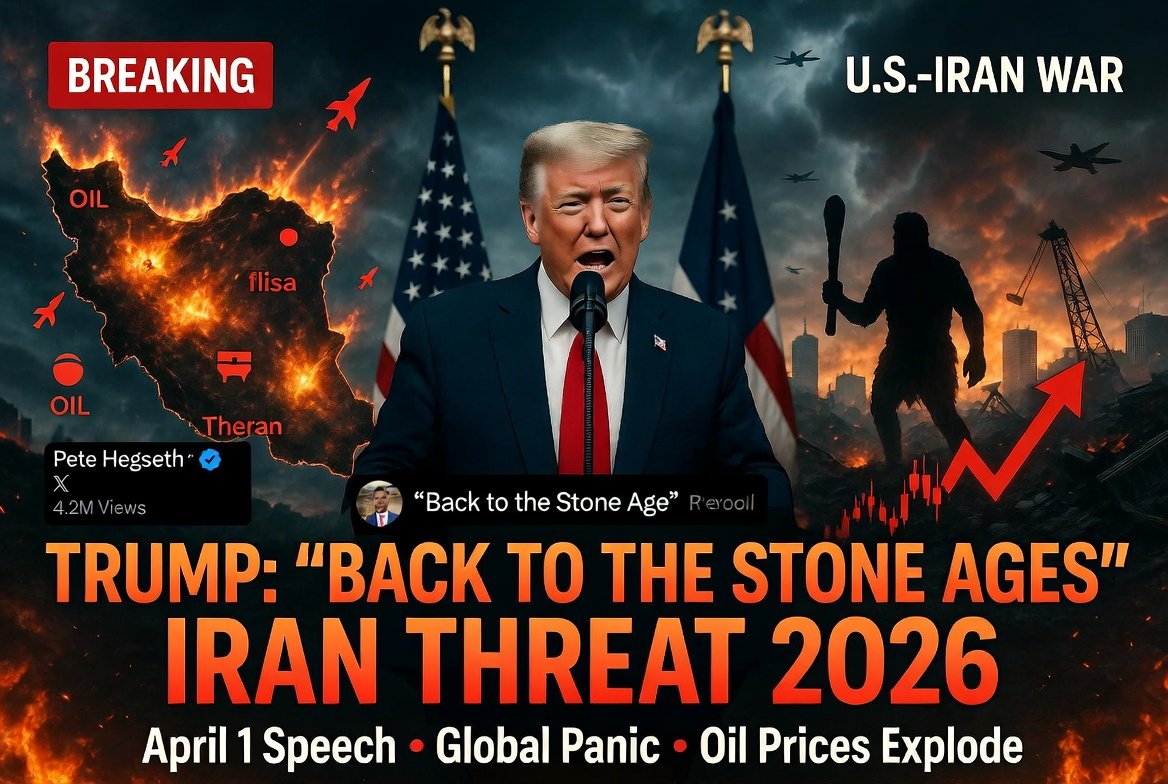
In addition, ongoing instability in the Middle East—particularly involving Iran and Israel—has added to global uncertainty.
- Regional proxy conflicts involving groups like Hezbollah, the Houthis, and others
- Rising military readiness, including recent exchanges and threats of wider strikes
- Strategic alliances forming, with involvement from the U.S., Russia, and other powers
👉 Important note: This region has historically played a major role in global conflicts. In 2026, spillover from Gaza-related tensions and direct Iran-Israel confrontations continue to disrupt shipping routes (like the Red Sea) and energy markets, adding layers of complexity to global stability.
⚖️ What Experts Are Saying
Despite rising tensions, most analysts agree that a full-scale World War 3 is unlikely in the near future.
According to organizations like United Nations:
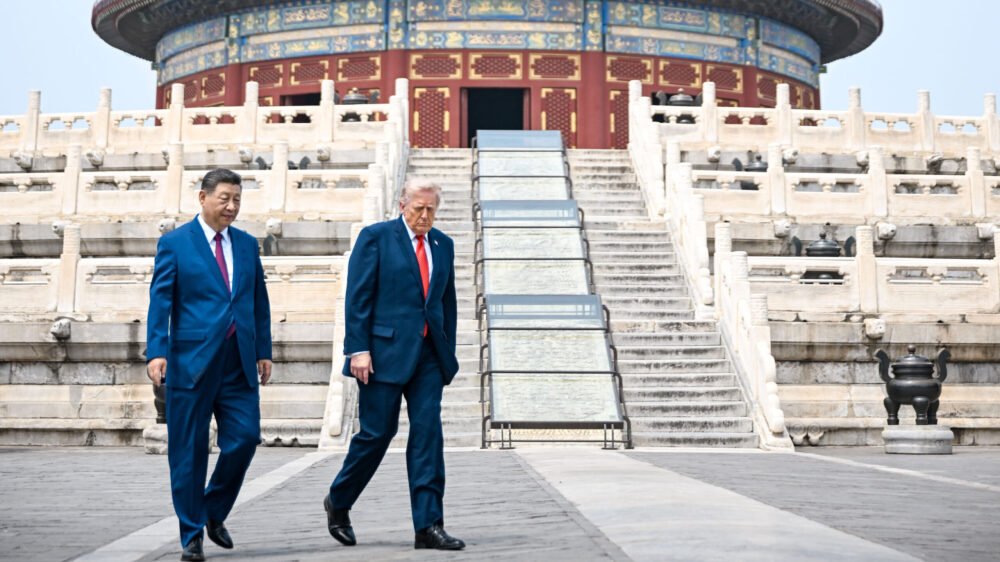
- Diplomatic channels are still active, with ongoing talks in various forums
- Global economies are deeply interconnected—major powers like the U.S., China, and Europe have too much to lose from total war
- Nuclear deterrence discourages large-scale war, as the threat of mutually assured destruction remains a powerful restraint
🔍 Why the Fear Feels Stronger in 2026
✔️ Social Media Amplification News spreads faster than ever, often without full context. Platforms amplify dramatic headlines, rumors, and unverified footage, creating a perception of constant crisis.
✔️ Multiple Conflicts at Once Unlike the past, several regions are tense simultaneously. The overlap of crises in Europe, Asia, and the Middle East creates a sense of global instability.
✔️ Economic Uncertainty Global inflation and supply chain disruptions add to anxiety. Energy shocks, food price volatility, and trade tensions exacerbate public unease.
🌏 Modern Warfare Is Different Today

If a global conflict were to occur, it would look very different from past wars.
Cyber Warfare Countries are increasingly using digital attacks instead of (or alongside) traditional weapons. In 2026, state-sponsored cyber operations target critical infrastructure, financial systems, and communication networks, as seen in ongoing incidents linked to Middle East and Russia-Ukraine tensions. These attacks can disrupt power grids, banks, and supply chains without firing a shot.
Economic Warfare Sanctions and trade restrictions are powerful tools. Nations weaponize finance, technology exports, and energy supplies to weaken adversaries, as evidenced by sustained sanctions on Russia and reciprocal measures.
Proxy Wars Nations support allies rather than fighting directly. This allows major powers to compete for influence while limiting direct casualties and escalation risks.
👉 Key takeaway: Modern conflicts are more complex and less direct. Hybrid warfare—blending military, cyber, economic, and information tools—dominates, making traditional “world war” declarations less likely.
🧭 What This Means for Everyday People
Although headlines can be alarming, it’s important to stay grounded.
Here’s what you should focus on:
- Stay informed through reliable sources such as official reports and established news outlets
- Avoid panic-driven decisions like stockpiling or rash financial moves
- Understand that diplomacy is ongoing at multiple levels, including UN efforts and back-channel negotiations
👉 Reality check: Most global tensions do not escalate into world wars. History shows that even during the Cold War, numerous crises were managed without direct superpower conflict.
- 👉 https://www.un.org (Global diplomacy updates)
- 👉 https://www.bbc.com/news (International news coverage)
- 👉 https://www.aljazeera.com (Global conflict analysis)
🧾 Conclusion: Should You Be Worried?
In conclusion, while global tensions in 2026 are undeniably serious, the likelihood of a full-scale World War 3 remains low according to experts.
Nevertheless, staying informed is essential. The world is evolving, and understanding global events helps you make better decisions.