






Welcome to a journey that transcends the conventional boundaries of design. In an era defined by rapid change and a yearning for authentic connection, architecture is evolving far beyond its traditional role of simply creating structures. We are entering a fascinating new chapter where buildings and public spaces are not just seen but felt, experienced, and remembered. This is the realm of experiential architecture, a revolutionary approach that transforms our environments and, in doing so, reshapes our very interactions.
This blog post invites you to explore how this innovative design philosophy is pushing beyond mere aesthetics and function to craft immersive environments. These spaces actively engage our senses, evoke emotions, and foster a deeper sense of community. Prepare to discover how these dynamic architectural interventions are not only beautifying our cities but also enriching human lives in profound and unexpected ways.
Beyond Blueprints: Defining Experiential Architecture
Experiential architecture is a design philosophy that prioritizes the human experience within a built environment. It moves beyond the two-dimensional plans and static forms, focusing instead on how people interact with and perceive a space over time. This approach considers every element, from light and sound to texture and temperature, as integral to creating a holistic and memorable experience.
It’s about crafting narratives within physical spaces, encouraging exploration, discovery, and emotional engagement. Unlike conventional architecture that often dictates how a space should be used, experiential design invites participation and allows for multiple interpretations. The goal is to create environments that resonate on a deeper, more personal level, fostering connections that go beyond the superficial.
The Shift Beyond Traditional Design Paradigms
Historically, architecture has often been driven by utility, structural integrity, and visual appeal. While these aspects remain crucial, experiential architecture introduces a new layer of complexity and intention. It asks not just “what does it look like?” but “how does it make you feel?” and “what story does it tell?”
This shift reflects a growing societal desire for authenticity and engagement, moving beyond passive consumption to active participation. As urban populations expand, there’s an increasing need for public spaces that do more than just facilitate movement; they must inspire, connect, and provide respite. This is where experiential design truly shines, offering solutions that enrich the urban fabric.
Engaging All Senses: Beyond Visuals
One of the hallmarks of experiential architecture is its commitment to engaging all five senses, often pushing beyond what is merely seen. Architects are now meticulously considering how a space sounds, smells, feels, and even tastes (in the case of food markets or botanical gardens designed for edible landscapes).
Consider the power of sound: a bustling market versus a tranquil meditation garden. The choice of materials can dramatically alter how light interacts with a space, creating varying moods and temperatures. These sensory layers combine to form a rich tapestry of experience that impacts our mood, behavior, and connection to the environment.
Tactile and Auditory Landscapes Beyond Expectation
Imagine walking through a public park where different pathways are paved with varying textures – smooth polished stone, rough gravel, soft bark mulch. Each step provides a distinct tactile experience, encouraging mindfulness and a deeper connection to the ground beneath our feet. Similarly, water features, wind chimes, or strategically placed speakers playing ambient sounds can transform the auditory landscape, creating zones of calm or vibrancy.
These deliberate sensory interventions go beyond simple aesthetics, inviting users to fully immerse themselves in the environment. Studies have shown that multi-sensory engagement can enhance memory, reduce stress, and improve overall well-being. For instance, the High Line in New York City masterfully blends visual appeal with tactile pathways and the sounds of urban life softened by natural plantings, creating a unique journey beyond the street level.
Transforming Public Spaces: Beyond Mere Function
Experiential architecture is fundamentally reshaping our public spaces, turning them into dynamic arenas for interaction, play, and contemplation. No longer are parks just green patches or plazas just open concrete areas; they are becoming living, breathing entities designed to foster human connection and community spirit. This approach looks beyond the immediate function to consider the long-term emotional and social impact.
These transformed spaces often feature interactive installations, adaptable furniture, and flexible layouts that encourage diverse activities. They become catalysts for social interaction, prompting strangers to engage, children to play freely, and artists to perform. The success of such spaces is measured not just by foot traffic, but by the quality and depth of engagement they inspire among their users.
Building Community Beyond Walls: Case Studies
One compelling example is the Superkilen Park in Copenhagen, Denmark. Designed as a truly inclusive urban space, it features objects and plants from over 50 different countries, reflecting the diverse local community. From a Moroccan fountain to Japanese cherry trees and Californian palm trees, it creates a global village that encourages residents to connect with each other and with cultures beyond their immediate experience.
Another notable instance is the City of Arts and Sciences in Valencia, Spain. Its futuristic structures, designed by Santiago Calatrava and Félix Candela, are not just museums or an opera house; their reflective pools, soaring arches, and grand public plazas invite visitors to walk, reflect, and gather, creating an almost theatrical experience that extends beyond the buildings themselves. These spaces become destinations, drawing people in and fostering a sense of shared wonder.
The Psychological Impact: Beyond the Obvious
The environments we inhabit profoundly influence our mood, cognitive function, and overall well-being. Experiential architecture leverages this understanding to design spaces that actively promote positive psychological states. It’s about designing for happiness, calm, inspiration, and even healing, going beyond merely avoiding negative impacts.
For instance, access to natural light and green spaces has been consistently linked to reduced stress and improved mental health. Experiential design often integrates biophilic principles, bringing elements of nature into urban settings. This connection to the natural world offers a psychological respite from the concrete jungle, fostering a sense of peace and rejuvenation that goes beyond simple visual appeal.
Fostering Well-being Beyond Expectation
Consider the impact of a well-designed hospital garden or a school playground that incorporates natural elements and opportunities for imaginative play. These spaces are not just functional; they are therapeutic. A study published in the journal *ScienceDirect* highlighted how access to green spaces can significantly reduce symptoms of depression and anxiety in urban dwellers. Experiential architecture takes this a step further, deliberately crafting environments that nurture the human spirit.
The use of adaptable lighting, comfortable seating arrangements, and acoustic treatments can transform a potentially stressful environment into a calming oasis. For example, some airport terminals are now incorporating natural light, indoor gardens, and serene art installations to reduce travel anxiety, demonstrating a commitment to passenger well-being that extends beyond operational efficiency.
Sustainability and Experiential Design: Beyond Greenwashing
Experiential architecture inherently aligns with principles of sustainability, often integrating eco-conscious practices in ways that enhance the user experience. It moves beyond superficial “greenwashing” to embed sustainable features as intrinsic parts of the design narrative. This means considering the entire lifecycle of a building and its impact on both the environment and its occupants.
From passive heating and cooling systems that create comfortable microclimates to materials sourced locally and responsibly, sustainable design elements contribute to the overall experiential quality. When people understand and interact with these features, they develop a deeper appreciation for environmental stewardship, extending their connection beyond the immediate space.
Innovative Solutions Beyond Conventional Eco-Design
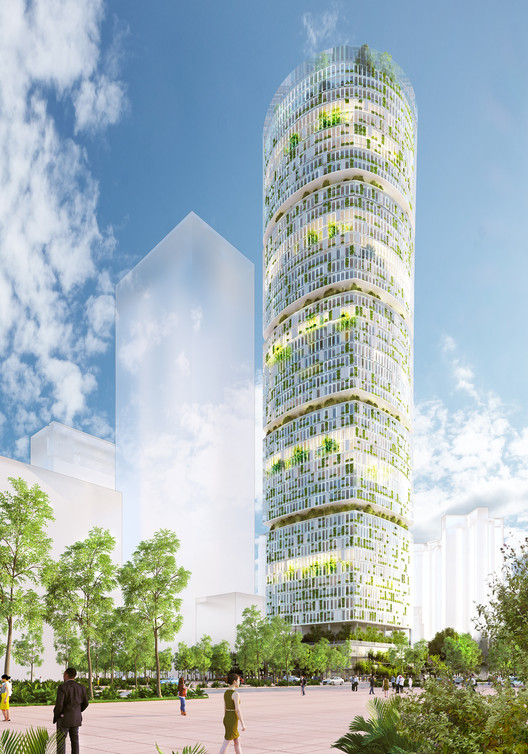
The Bosco Verticale (Vertical Forest) in Milan is a prime example. These residential towers are covered with over 20,000 trees and plants, creating a living facade that mitigates smog, produces oxygen, and provides natural climate control. Residents not only enjoy lush greenery but are also actively participating in an urban ecosystem, experiencing nature in a way that goes far beyond a typical city park. This project demonstrates how architecture can actively contribute to ecological balance while enhancing human living conditions.
Similarly, designs that incorporate rainwater harvesting systems into visible, interactive features or utilize solar panels as aesthetic elements can educate and engage the public. These integrations foster a sense of shared responsibility and connection to the environment, encouraging a sustainable lifestyle that looks beyond personal consumption to collective impact.
The Future is Experiential: Beyond Imagination
As technology continues to advance and our understanding of human psychology deepens, the possibilities for experiential architecture are truly limitless. We can anticipate even more dynamic, responsive, and personalized environments. Augmented reality (AR) and virtual reality (VR) are already being explored to enhance physical spaces, offering layers of information and interaction that push the boundaries of what is possible.
Smart cities, driven by data and AI, will further tailor public spaces to the needs and preferences of their inhabitants, creating adaptive environments that evolve with us. The focus will remain on creating spaces that foster meaningful connections, inspire creativity, and promote well-being, taking us beyond current limitations.
Designing for a World Beyond Today
The next generation of architects and urban planners will be tasked with designing for a future that demands resilience, inclusivity, and profound human connection. They will need to think beyond the immediate project to consider long-term societal and environmental impacts. The integration of community feedback, interdisciplinary collaboration, and a deep empathy for the human condition will be paramount.
For those interested in exploring this field further, resources like the Project for Public Spaces (PPS) offer valuable insights and case studies on community-driven placemaking. Understanding the principles of human-centered design, as advocated by organizations like the American Institute of Architects (AIA), is also crucial for aspiring experiential architects. The future of our built environment is not just about building bigger or taller; it’s about building better, more thoughtfully, and with a profound sense of purpose that extends beyond mere construction.
Conclusion: Beyond Limits, Unlock Your Potential
Experiential architecture is more than just a trend; it’s a fundamental shift in how we conceive, design, and interact with our built environment. By prioritizing the human experience, engaging all our senses, and fostering deep connections, it transforms public spaces into vibrant hubs of community and personal growth. It encourages us to look beyond the conventional, to imagine what our cities and buildings could truly be.
These innovative designs not only beautify our surroundings but also contribute to our psychological well-being, strengthen social bonds, and promote environmental stewardship. As we continue to navigate a complex world, the power of thoughtfully designed, experience-rich spaces will become increasingly vital. They offer us opportunities to connect, to reflect, and to discover possibilities that lie beyond our current imaginations. Embrace this exciting evolution and consider how you might engage with or advocate for experiential design in your own community, helping to unlock the full potential of our shared spaces and, indeed, our own human experience.