






Space travel is no longer just for government astronauts. In 2026, civilians can buy tickets, companies fly regularly to orbit, and plans for the Moon and Mars are moving forward.
This guide covers everything about space travel in short, easy-to-read sections. It includes history, types, costs, training, health risks, companies, current missions, and the future of space travel.
What Is Space Travel?
Space travel means leaving Earth’s atmosphere. The official start of space is the Kármán line at 100 km (62 miles) high.
Once you cross it, you experience weightlessness and see the curve of Earth.
A Short History of Space Exploration
Space exploration started in 1957 with Sputnik. Yuri Gagarin flew first in 1961. Apollo 11 landed on the Moon in 1969.
The Space Shuttle and International Space Station followed. In the 2020s, commercial spaceflight took off with SpaceX, Virgin Galactic, and Blue Origin.
Also Read:
Tiangong Space Station 2026: Life on China’s Heavenly Palace
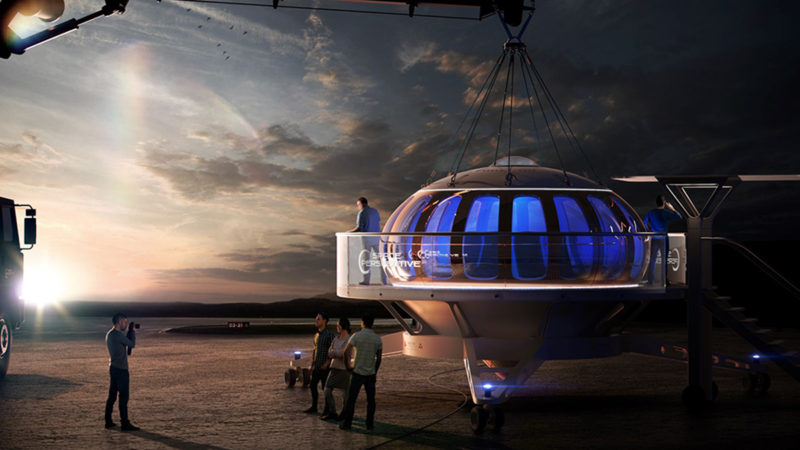
Sightseeing Capsule Completes First Balloon Flight to the Edge of Space
Types of Space Travel
There are several kinds of space travel.
Suborbital flight is a short hop. You go above the Kármán line for a few minutes of weightlessness, then come back.
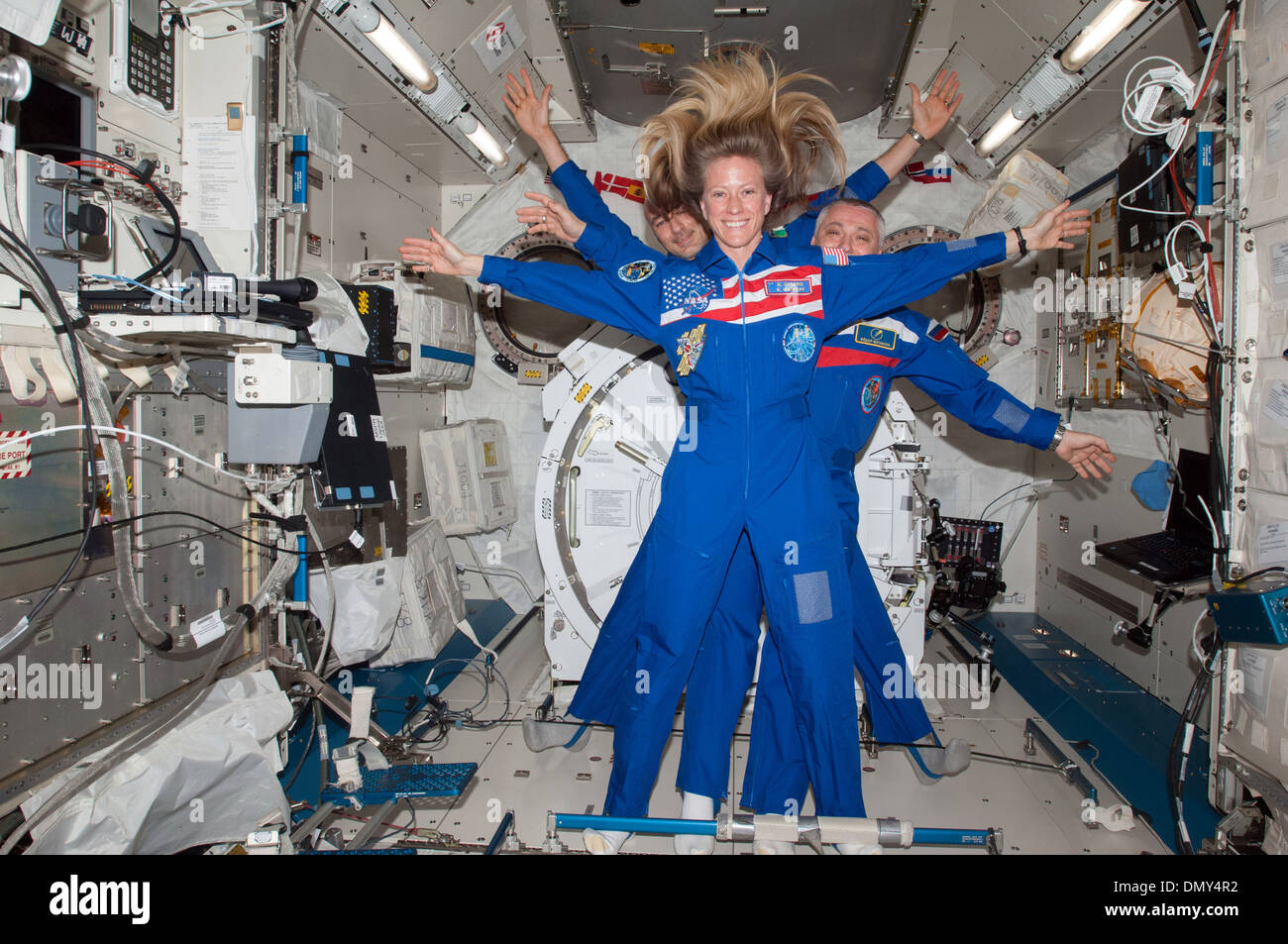
Orbital space travel means circling Earth for days. You can stay on the ISS.
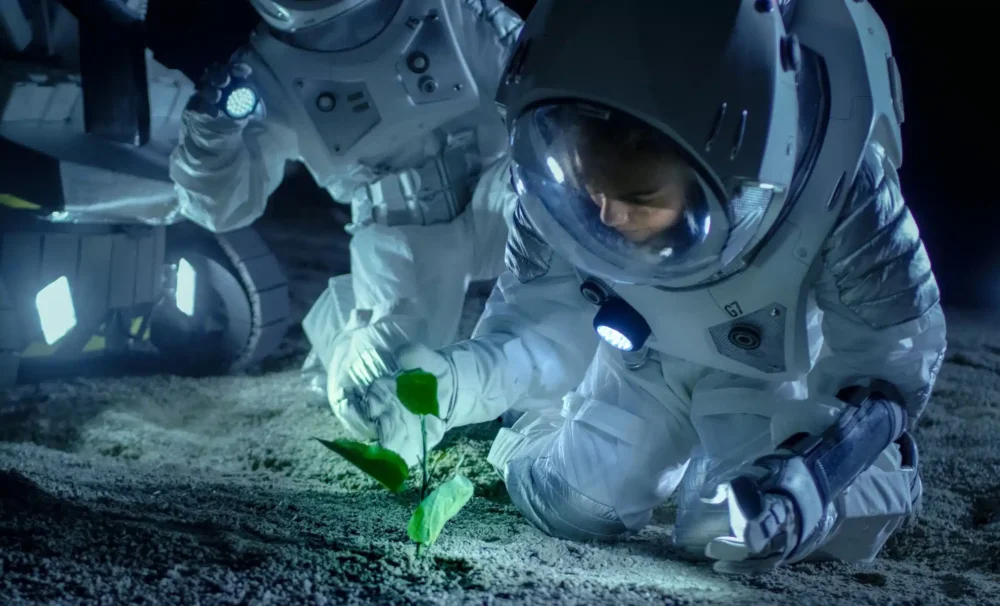
Lunar and Mars trips are the next big steps.
Near-space balloon flights give hours of views without fully reaching space.
Space Tourism and Costs in 2026
Space tourism is available now, but prices stay high.
Suborbital tickets range from $150,000 to $750,000. Virgin Galactic charges $750,000. Flights should resume in early 2027.
Orbital stays on the ISS cost around $55 million per person through Axiom Space.
Cheaper balloon flights start near $50,000–$195,000.
Reusable rockets have cut space travel cost a lot compared to the past.

How to Travel to Space as a Tourist
You do not need to be a professional astronaut.
Contact companies like Virgin Galactic or Axiom. Pay a deposit, pass a medical check, and complete training.
Most healthy adults can qualify for suborbital trips.
How to Become an Astronaut
Professional astronauts still need a STEM degree, strong experience, and excellent health.
NASA and other agencies select only a few people from thousands of applicants.
Commercial spaceflight now offers extra paths through private missions.
Training for Space Travel
Suborbital training lasts a few days. You learn safety and emergency procedures.
Orbital missions need months of spacecraft and survival training.
Astronauts also practice in centrifuges and underwater.
Health Effects of Space Travel
Microgravity and radiation affect the body.
Fluids shift upward, causing a puffy face. Muscles and bones weaken. Vision can change.
The heart and immune system also adapt. Most effects reverse after return to Earth.
Daily exercise helps a lot.
Major Players in Space Travel
NASA leads the Artemis program and ISS research.
SpaceX flies Crew Dragon, Starlink, and develops Starship.
Virgin Galactic and Blue Origin focus on suborbital space travel.
Axiom Space runs private ISS trips. China and Russia stay active too.
Current Missions and Technology
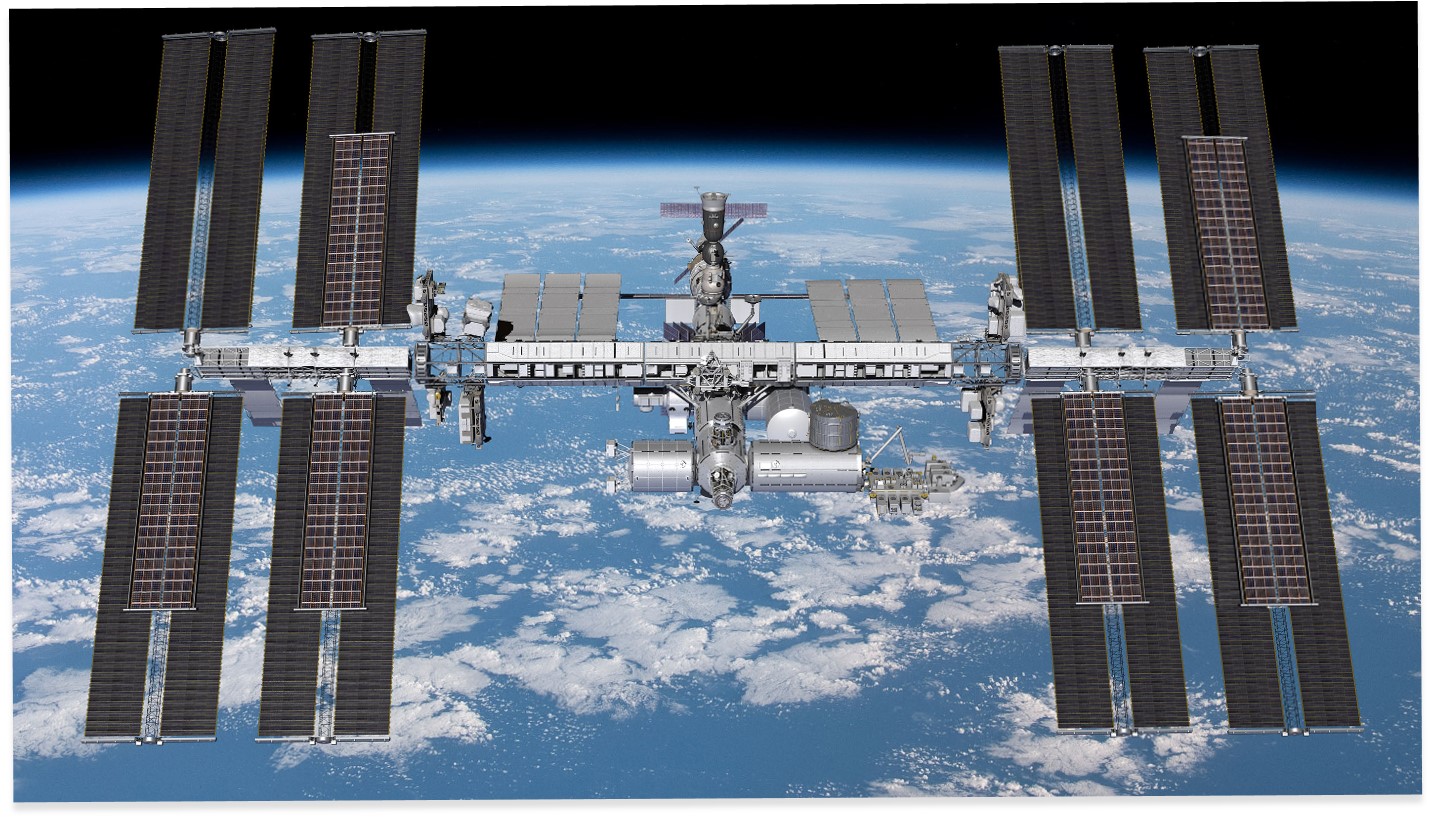
The International Space Station still hosts crews year-round.
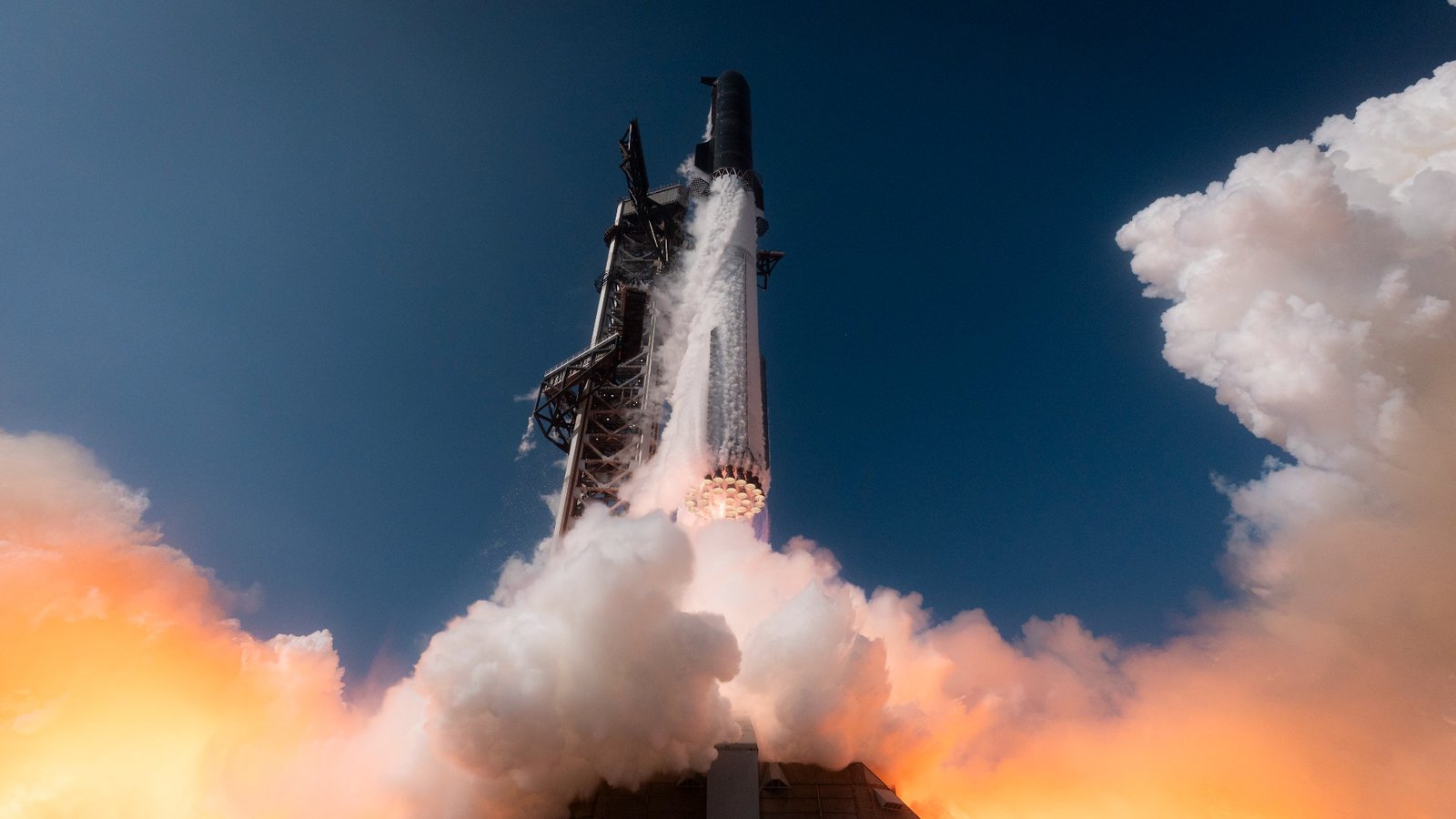
SpaceX completed its 100th launch of 2026. Starship continues test flights.
NASA plans Artemis 3 for a crewed Moon landing in 2027.
Reusable rockets and better capsules make space travel safer and cheaper.
The Future of Space Travel
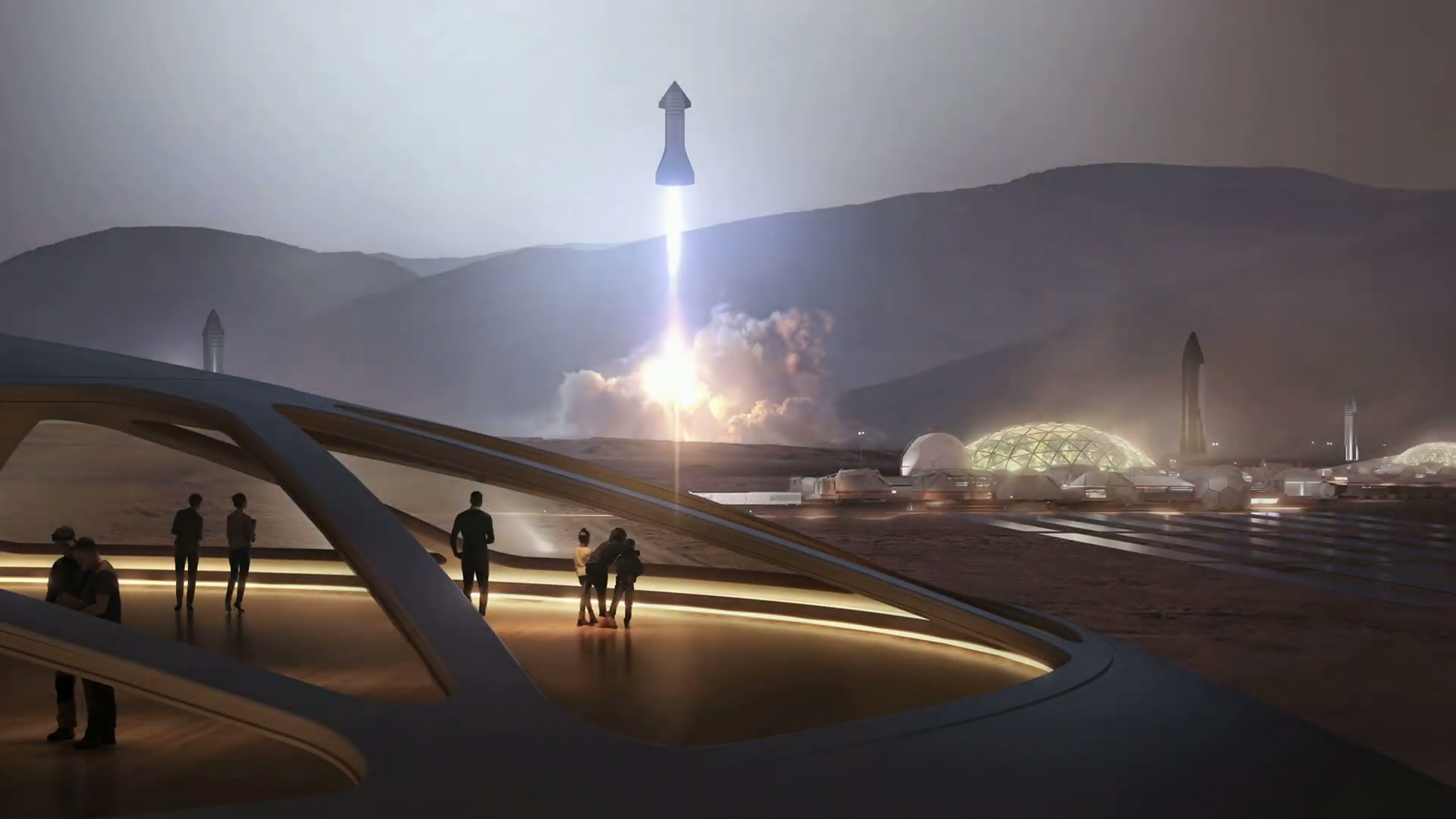
The future of space travel includes Moon bases, commercial space stations, and crewed Mars missions.
Starship aims to make Mars trips possible in the 2030s.
More space tourism and lower costs should follow.
Lunar hotels and deeper exploration are already in planning.
Challenges Like Space Debris
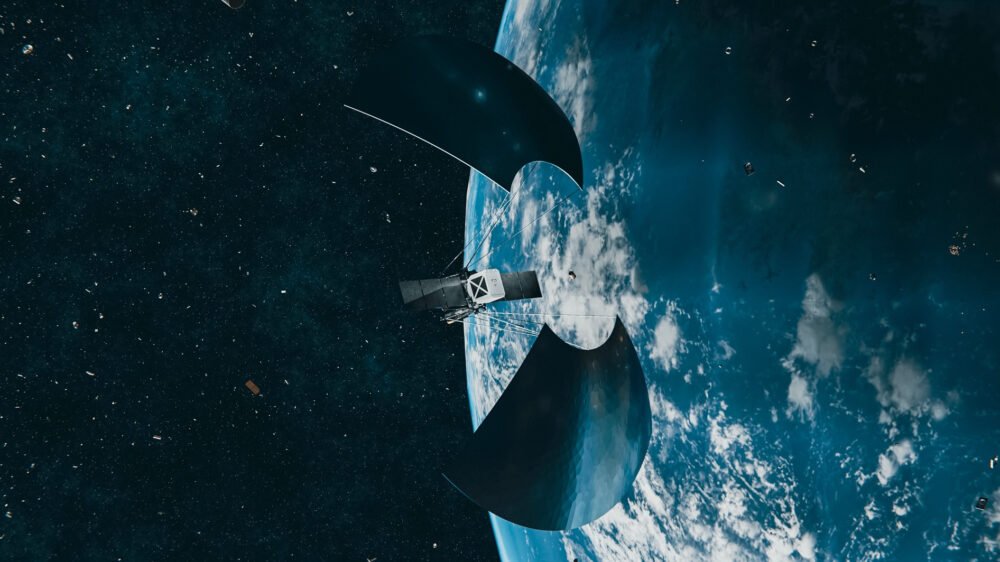
Space debris is a real problem. Thousands of pieces of junk orbit Earth at high speed.
Collisions become more likely as more satellites launch.
Better tracking and removal methods are needed.
Why Space Travel Matters
Space exploration brings science, new technology, and inspiration.
It helps us understand Earth, the solar system, and our own bodies.
It also creates jobs and long-term opportunities for humanity.
Space travel in 2026 is closer than ever. A short suborbital flight or even a balloon ride can give you the view of a lifetime.
The industry keeps moving fast. Watch SpaceX, NASA, and the new commercial players. The next chapter of space travel is already unfolding.